Best Thyroid Support Supplements 2026: Selenium, Iodine & Zinc, Honestly Rated
Quick summary: My top thyroid-support pick is NOW Foods Selenium (selenomethionine) at 9.3/10, about $11.16 for 180 capsules at HerbsPro on September 19, 2026, because selenium has the most direct trial evidence in autoimmune thyroid disease. Nothing here treats thyroid disease, and if you take levothyroxine, talk to your clinician first.
The thyroid needs specific raw materials to do its job: iodine to build T3 and T4, selenium to run the enzymes that convert T4 into its active form, and zinc for hormone receptor function. When one of those runs low, supporting it can matter, and that narrow, honest claim is what this article covers.
What I will not claim is that any bottle here treats hypothyroidism, Hashimoto’s, or anything else a doctor would diagnose. The evidence below is about nutrient status in people, the same evidence a cautious clinician would cite. I ranked products on the form and dose they disclose, the trial record of their main ingredient, and the price per month at observed retail.
How We Evaluated
- Selenium meta-analysis in Hashimoto’s: PMID 20883174. Selenium supplementation reduced thyroid peroxidase antibodies across trials, though symptom benefit was inconsistent.
- Selenium in Graves’ eye disease: PMID 33574798. Reviews of randomized data support modest quality-of-life benefit of selenium in mild Graves’ orbitopathy.
- Selenomethionine RCT in autoimmune thyroiditis: PMID 30306604. A placebo-controlled trial in children and adolescents confirmed antibody reductions with l-selenomethionine.
- Iodine in deficiency: PMID 16400058. Iodine supplementation corrected deficiency in schoolchildren and improved cognition measures where intake was truly low.
- Biotin and thyroid labs: PMID 41118561. Biotin supplements interfere with thyroid function tests and should be stopped before blood draws.
The honest summary of that evidence: selenium has the best trial support for a specific group, people with autoimmune thyroiditis and elevated antibodies; iodine only helps where intake is genuinely low; and zinc sits in the plausible-but-thinner column. Everything below reflects that hierarchy.
Top 4 Thyroid Support Supplements of 2026
1. NOW Foods Selenium (Selenomethionine)
EDITOR’S CHOICERating: 9.3/10
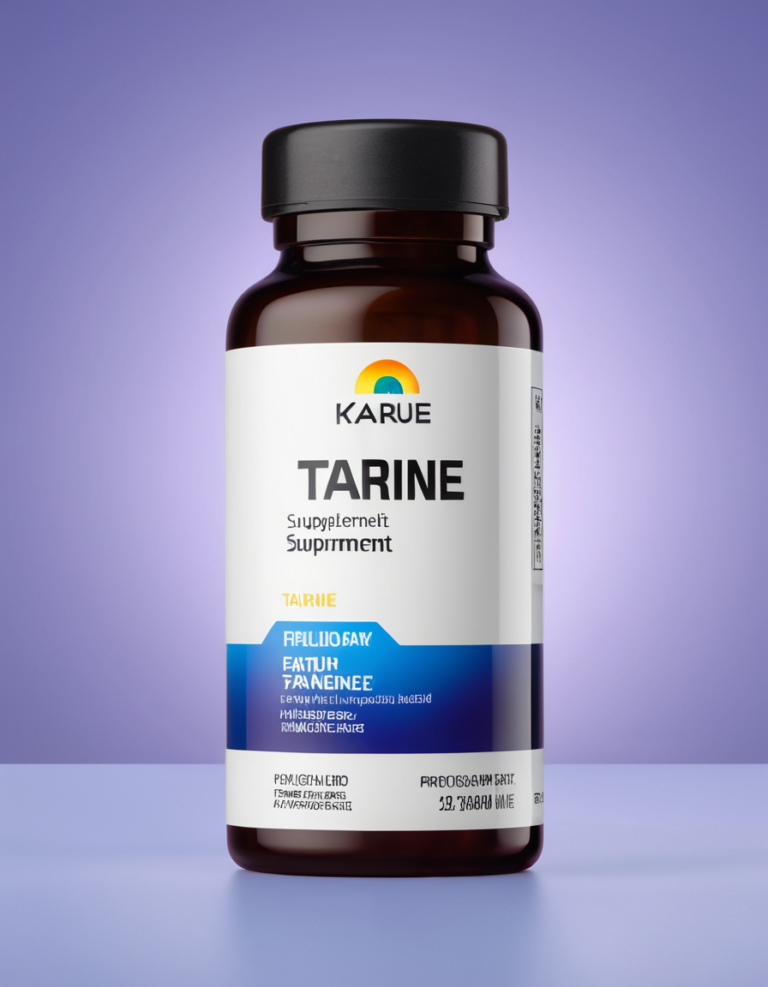
What you get: 180 capsules of selenium as selenomethionine at 100 mcg each, the same chemical form used in the autoimmune thyroiditis trials, from a manufacturer with USP-verified quality programs.
Value and quality context: The approximate observed price was $11.16 on September 19, 2026. Six months of a single daily capsule costs about what one month of many thyroid complexes does.
I put plain selenium first because it is the only thyroid nutrient whose effect has been measured in placebo-controlled trials, twice in meta-analysis, with the strongest signal in people whose TPO antibodies are actually elevated. Selenomethionine is the form those trials used, which matters more than any marketing story about thyroid herbs.
The honest limit: antibody numbers are not the same as how you feel, and several trials showed lab changes without clear symptom improvement. If your antibodies are normal, the case for selenium weakens a lot.
- Matches the selenomethionine form and 100-200 mcg dosing used in trials.
- 180 capsules make a six-month low-cost trial practical.
- Single mineral avoids the unpredictable math of stacked complexes.
- NOW’s manufacturing record is among the most audited in the category.
- Lab changes do not always translate into feeling better.
- Staying under 400 mcg daily from all sources is essential.
- Does nothing for hormone levels if your thyroid is simply healthy.
2. Zhou Nutrition Thyroid Support with Iodine
BEST COMPLEXRating: 9.0/10
What you get: 60 vegetable capsules combining kelp-sourced iodine in the sensible 150-225 mcg range with selenium, zinc, and supporting herbs, taken as two capsules daily.
Value and quality context: The approximate observed price was $21.39 on September 19, 2026. One bottle covers a month, which is mid-priced for the category and cheaper than most comparable complexes.
Most thyroid complexes are marketing first and nutrition second, usually hiding weak doses behind proprietary blends. Zhou discloses its label, keeps iodine in a reasonable range rather than megadoses, and prices honestly, which is why it earns the complex slot. If you want one bottle rather than three, this is the defensible version.
- Fully disclosed label instead of a proprietary blend.
- Iodine stays in the 150-225 mcg range experts consider reasonable.
- Includes selenium and zinc so the minerals arrive together.
- Monthly cost undercuts most competing complexes.
- Herbal ingredients have far less evidence than the minerals.
- You cannot adjust one nutrient without stopping the whole formula.
- Levothyroxine users should not add iodine without clinician approval.
3. Thorne Zinc Picolinate 30 mg
BEST ZINCRating: 8.9/10
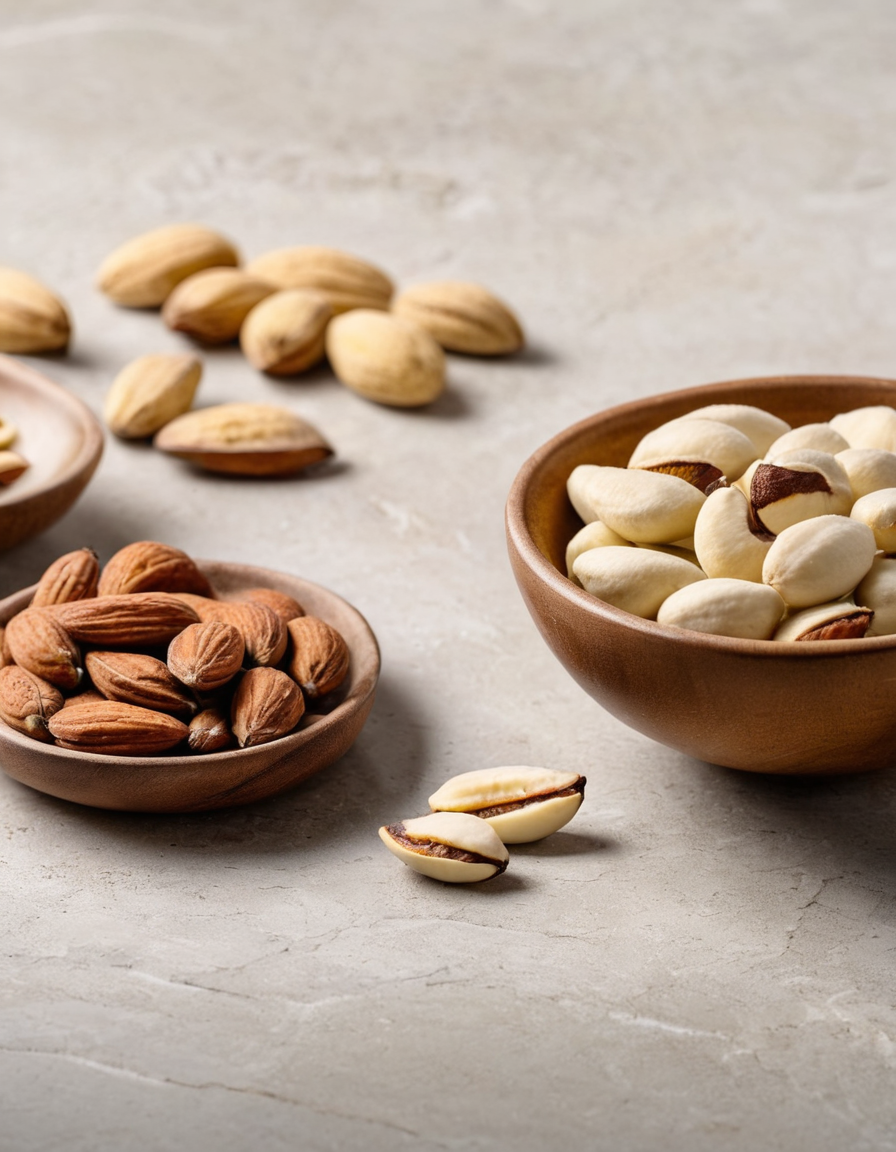
What you get: 60 capsules of 30 mg zinc as picolinate, one of the better-absorbed forms, with a label free of unnecessary fillers.
Value and quality context: The approximate observed price was $20.00 on September 19, 2026. Two months per bottle at one capsule daily, though I would treat 30 mg as a short-term top-up rather than a forever dose.
Zinc participates in thyroid hormone receptor biology, and mild deficiency shows up in restricted diets and heavy sweaters. Thorne is the brand practitioners reach for when they want clean labels, and the picolinate form absorbs well. The catch is dosing: 30 mg is above everyday needs, and chronic zinc above 40 mg can drain copper.
- Picolinate form absorbs better than oxide or sulfate salts.
- Thorne’s label discipline means no hidden fillers or blends.
- Capsules are small and easy to split across the day.
- Useful for confirmed low-zinc diets rather than blanket use.
- Thirty milligrams is above maintenance needs for most adults.
- Long-term high intake risks copper deficiency.
- No thyroid benefit once zinc status is adequate.
4. CNP Icelandic Sea Kelp 600 mg
BEST LOW-DOSE IODINERating: 8.5/10
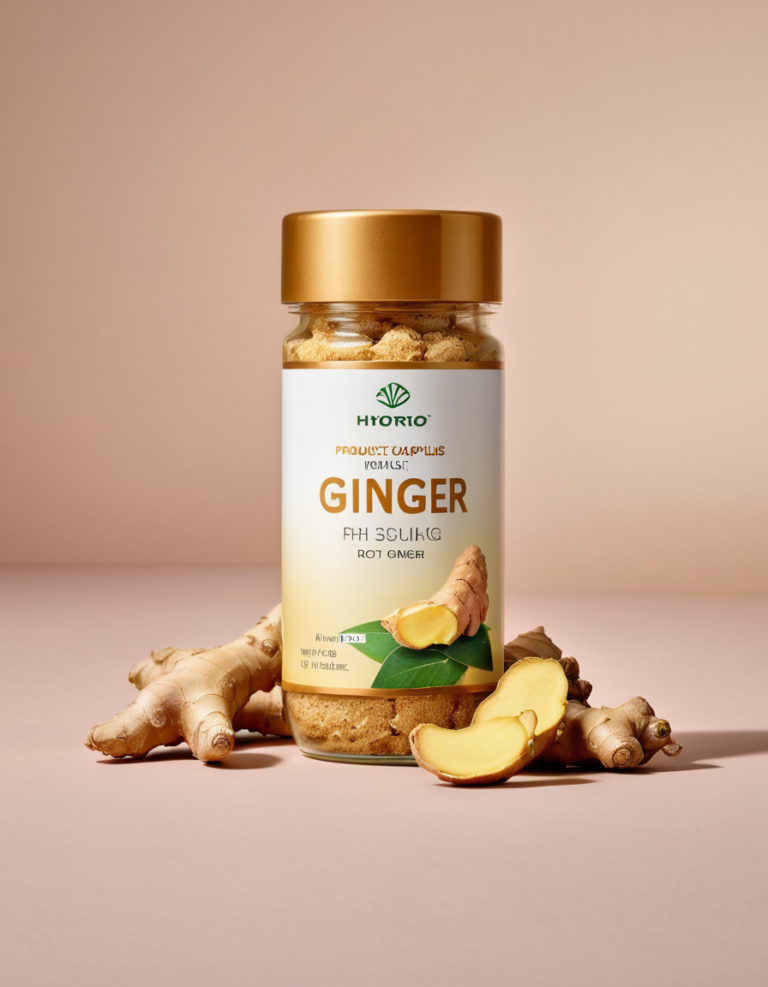
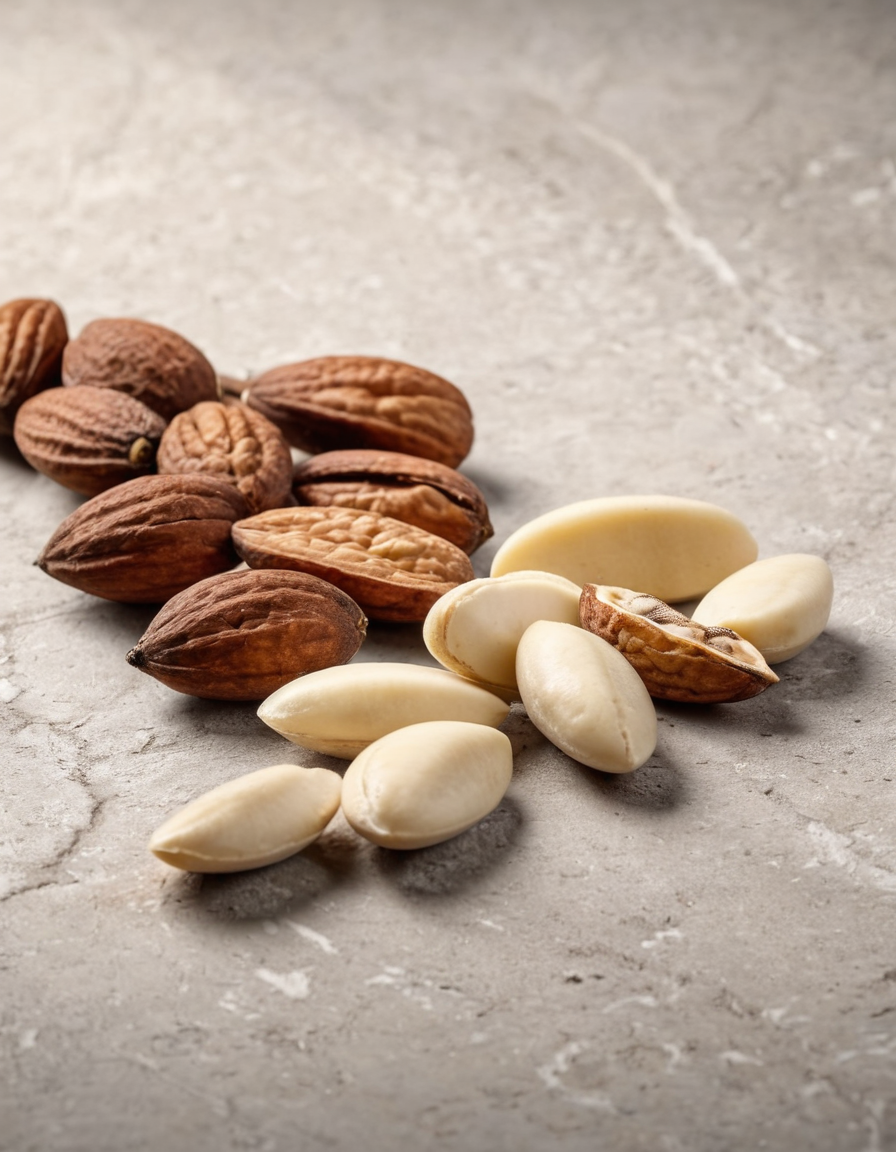
What you get: 180 capsules of whole Icelandic kelp at 600 mg, supplying iodine the way food does rather than as an isolated salt.
Value and quality context: The approximate observed price was $11.95 on September 19, 2026. Six months of the one-capsule serving costs less than a single month of many branded thyroid formulas.
For people whose iodine intake is genuinely low, the Albanian schoolchildren trial above shows what correction can do. Whole kelp is the closest thing to a food form, and CNP at least tests its Icelandic harvests, though batch variation is inherent to anything ocean-grown. I rank it last because iodine is the nutrient most likely to backfire in people who do not need it.
- Whole-food form of iodine from tested Icelandic kelp.
- Very low cost per month for a six-month bottle.
- Suits the rare reader whose diet truly lacks iodine sources.
- Capsules avoid the strong ocean taste of kelp powder.
- Kelp iodine content varies more batch to batch than synthetic iodide.
- Excess iodine can trigger under- or overactive thyroid in susceptible people.
- Wrong pick for anyone already eating iodized salt and dairy regularly.
Comparison Table
| Product | Form | Dose per serving | Count | Approximate price | Best for |
|---|---|---|---|---|---|
| NOW Selenium | Capsule | 100 mcg selenomethionine | 180 caps | $11.16 | Antibody-elevated Hashimoto’s |
| Zhou Thyroid Support | Capsule | Iodine + Se + Zn complex | 60 caps | $21.39 | One-bottle simplicity |
| Thorne Zinc Picolinate | Capsule | 30 mg zinc | 60 caps | $20.00 | Confirmed low zinc |
| CNP Sea Kelp | Capsule | 600 mg kelp (iodine) | 180 caps | $11.95 | Genuinely low iodine intake |
How to Choose a Thyroid Support Supplement
Match the nutrient to a demonstrated gap, not to a hope. Selenium’s trial evidence applies to autoimmune thyroiditis with elevated antibodies, iodine’s applies to genuine deficiency, and zinc’s is thinnest of all. A basic panel including TSH, TPO antibodies, and ideally selenium and iodine intake review tells you which category you are in before you spend anything.
Respect the ceilings as much as the doses. Selenium’s tolerable upper intake is 400 mcg daily from all sources, adult zinc tops out at 40 mg, and iodine has a narrow window where more is actively harmful rather than neutral. More is not better in thyroid nutrition; it is sometimes the opposite.
If you take levothyroxine or any thyroid medication, the timing rules matter: keep calcium and iron four hours away from your dose, and never adjust medication based on how a supplement makes you feel. Bring the bottle to your clinician and let them tell you what is safe to keep.
Biotin deserves its own warning label. High-dose biotin, common in hair and nail formulas, can make thyroid labs read falsely high or low, which has led to real misdiagnoses. Stop biotin two to three days before any blood draw and mention it to whoever reads the results.
Finally, give any pick eight to twelve weeks alongside proper testing. For more ingredient-level detail, the selenium guide and zinc ranking go deeper than this overview can.
This article is for information only and is not medical advice. Supplements can interact with medicines. Talk with a clinician before starting anything new, especially if you are pregnant, managing a condition, or taking prescription drugs. Prices and formulations change; the label is the final authority.