Best Supplements for Kidney Health 2026: Evidence-Backed Picks (And What to Avoid)
Quick summary: My top pick is Qunol Ultra CoQ10 100 mg (9.2/10), about $29.97 for 120 softgels on Amazon on September 19, 2026, with the best-studied options here being fish oil and CoQ10. One warning first: if you have chronic kidney disease, potassium and magnesium supplements can be dangerous, and every product in this article deserves a conversation with your nephrologist.
Kidney supplements are a category where the honest answer is mostly “fewer options than the shelf suggests.” The kidneys filter everything you swallow, several popular minerals become hazardous when filtration slows, and the trial evidence is thinner than for heart or bone supplements. What follows is the short list that survived scrutiny, plus the caution flags most articles bury.
I evaluated every candidate on three questions: does it have any randomized human data relevant to kidneys, is it safe at realistic doses if kidney function is mildly reduced, and does the label disclose what you are actually paying for. Two popular categories, herbal “kidney cleanses” and mineral stacks, failed the second question outright.
How We Evaluated
- Fish oil in IgA nephropathy: PMID 10446945. Long-term follow-up of the Mayo Clinic controlled trial found fish oil associated with slower kidney function decline, though later trials mixed.
- CoQ10 in chronic kidney disease: PMID 37159264. A randomized crossover trial found improved metabolic and mitochondrial markers, not kidney outcomes.
- B vitamins, the caution: PMID 20424250. The JAMA trial in diabetic nephropathy found high-dose B vitamins worsened kidney decline, the reason moderate doses appear below.
- Antioxidants in diabetic nephropathy: PMID 39963561. A 2025 systematic review of randomized trials found surrogate-marker improvements without hard outcome evidence.
- Pediatric IgA trial: PMID 17699247. Omega-3 added nothing over standard care in a randomized pediatric trial, part of the honest mixed record.
Read that list again and you have the entire honest state of the field: fish oil has the longest record with mixed results, CoQ10 moves markers without proving outcomes, and B vitamins come with a genuine caution rather than an endorsement. Any article promising more than that is selling something.
Top 4 Kidney Health Supplements of 2026
1. Qunol Ultra CoQ10 100 mg
EDITOR’S CHOICERating: 9.2/10
What you get: 120 softgels of 100 mg CoQ10 in a solubilized delivery that absorbs several times better than standard ubiquinone powder, taken once daily with a fat-containing meal.
Value and quality context: The approximate observed price was $29.97 on September 19, 2026. Four months per bottle at one softgel daily makes it the cheapest way to trial the one antioxidant with kidney-specific randomized data.
The JCI Insight crossover trial measured what CoQ10 actually does in chronic kidney disease patients: better mitochondrial and metabolic markers, which is promising but not the same as proven kidney protection. I still rank it first because it is safe, reasonably priced, and the only product here with a CKD-specific trial behind it.

The honest limits: markers are not outcomes, and CoQ10 can lower blood pressure slightly, which matters if you already take pressure medication.
- Only pick here with a randomized trial in chronic kidney disease patients.
- Solubilized form solves CoQ10’s notorious absorption problem.
- Four-month supply keeps an honest trial affordable.
- Excellent safety record at 100-200 mg daily.
- Trial endpoints were metabolic markers, not prevented kidney decline.
- May modestly lower blood pressure alongside medication.
- Softgels are large for people who struggle with pills.
2. Nature Made Fish Oil 1200 mg
BEST FISH OILRating: 9.0/10
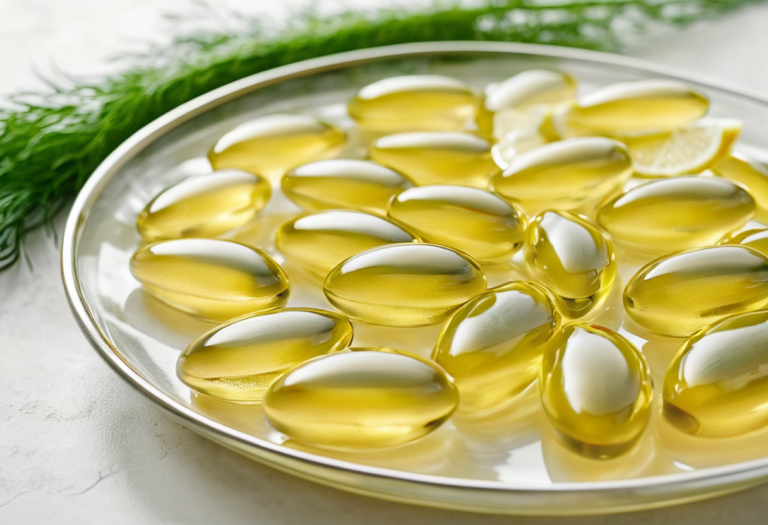
What you get: 150 softgels of 1,200 mg fish oil delivering 360 mg EPA and 240 mg DHA each, USP-verified, taken one to two softgels daily with meals.
Value and quality context: The approximate observed price was $20.86 on September 19, 2026. That is roughly seven cents per 300 mg of combined omega-3s, among the best values in a verified fish oil.
Omega-3s have the deepest trial history in kidney medicine, from the Mayo IgA nephropathy work through dozens of smaller studies, and the safest summary is mixed but non-zero. The two softgels a day I would actually suggest is 1.2 grams, inside the range every serious review considers low-risk. USP verification matters more in fish oil than almost any category because oxidation and contamination are real.
- Longest randomized trial record of any kidney-relevant supplement.
- USP verification covers purity and oxidation.
- Cost per serving is far below boutique fish oils.
- One-softgel dosing allows gentle titration upward.
- IgA nephropathy evidence is genuinely mixed across trials.
- Ethyl ester form absorbs less well without a fatty meal.
- Avoid pushing above 3 grams daily without medical supervision.
3. NOW Foods Alpha Lipoic Acid 600 mg
BEST ANTIOXIDANTRating: 8.9/10

What you get: 120 capsules of 600 mg alpha lipoic acid, water-and-fat-soluble antioxidant, taken once daily.
Value and quality context: The approximate observed price was $30.14 on September 19, 2026. A four-month supply at the studied 600 mg dose for about $7.50 a month.
ALA has randomized human data in diabetic kidney disease, mostly showing improvements in oxidative stress markers and the nerve symptoms that often travel with diabetes. NOW’s 600 mg single-capsule dosing matches the trial range. I rank it below CoQ10 only because the kidney evidence is indirect, working through diabetes rather than the kidney itself.
- 600 mg matches the dose range used in nephropathy trials.
- Both water and fat soluble, unlike most antioxidants.
- Four-month bottle at a reasonable monthly cost.
- Well tolerated with occasional mild stomach upset.
- Can lower blood glucose and complicate diabetes medication.
- Benefits are surrogate markers, not proven kidney protection.
- Should be taken away from thyroid medication.
4. Life Extension BioActive Complete B-Complex
BUDGET B-VITAMINSRating: 8.7/10
What you get: 60 vegetarian capsules of methylated B vitamins at moderate, food-like doses, one capsule daily.
Value and quality context: The approximate observed price was $8.97 on September 19, 2026. Two months for under nine dollars.
You might expect B vitamins to rank higher, and the JAMA trial explains why they do not: high-dose regimens sped up kidney decline in diabetic nephropathy patients. A moderate-dose, active-form complex is the defensible version, correcting mild deficiency without megadoses. Life Extension’s is the cheapest one with full label disclosure, which is why it closes the list.

- Moderate doses avoid the megadose harm signal from the JAMA trial.
- Active methylated forms work without conversion steps.
- Under nine dollars for two months.
- Reasonable choice for restricted diets that run low on B vitamins.
- No B-vitamin regimen has prevented kidney disease progression in large trials.
- Transplant recipients and people on specific drugs need clinician input.
- Niacin flush is possible for sensitive users.
Comparison Table
| Product | Form | Dose per serving | Count | Approximate price | Best for |
|---|---|---|---|---|---|
| Qunol Ultra CoQ10 | Softgel | 100 mg solubilized CoQ10 | 120 sg | $29.97 | CKD-specific trial evidence |
| Nature Made Fish Oil | Softgel | 600 mg EPA+DHA | 150 sg | $20.86 | Longest trial record |
| NOW Alpha Lipoic Acid | Capsule | 600 mg ALA | 120 caps | $30.14 | Diabetic kidney support |
| Life Extension B-Complex | Capsule | Moderate active B vitamins | 60 caps | $8.97 | Deficiency coverage |
How to Choose a Kidney Health Supplement
Start with what to avoid, because in kidney health the avoid list saves more health than the buy list. Skip potassium supplements entirely unless your nephrologist has prescribed them, because declining kidneys cannot clear surplus potassium and the result, hyperkalemia, can stop a heart. The same logic applies to magnesium in later-stage disease, and to herbal “cleanse” products whose diuretic effects nobody has tested in impaired kidneys.
Second, match the product to your actual situation. Omega-3’s best evidence belongs to IgA nephropathy, CoQ10’s to metabolic markers in CKD, and ALA’s to diabetic nephropathy. Taking all three because they appeared in the same article is how you get side effects from products that would each have been fine alone.
Third, verify before you trust. Fish oil should be USP or IFOS verified because oxidation is invisible, CoQ10 should say ubiquinol or solubilized ubiquinone rather than hiding behind a proprietary absorption claim, and any product that promises to “flush” or “detox” your kidneys has already told you it is marketing rather than medicine.
Fourth, bring your nephrologist into every decision if you have known kidney disease. Medication timing, potassium intake, and even the phosphorus additives in processed foods all interact with kidney function in ways that dwarf supplement effects. A two-line email with the label image prevents most of the trouble.
For the cautionary context on minerals, read my potassium guide with its kidney warning, and for the antioxidant angle the alpha lipoic acid ranking goes deeper.
This article is for information only and is not medical advice. Supplements can interact with medicines. Talk with a clinician before starting anything new, especially if you are pregnant, managing a condition, or taking prescription drugs. Prices and formulations change; the label is the final authority.