Black Seed Oil: Benefits & Complete Buying Guide (2026)
TL;DR (30-second answer): Black seed oil (from Nigella sativa, also called black cumin) has genuine but modest evidence: a 2025 meta-analysis of 82 randomized trials found small improvements in blood pressure, cholesterol, and fasting blood sugar — mostly in people with existing metabolic conditions. It’s not a miracle oil and won’t replace medication. Buy cold-pressed, unrefined oil with third-party testing; capsules if you can’t stand the bitter, thyme-like taste. Our top pick at HerbsPro is Amazing Herbs Black Seed Oil 1250 mg capsules for convenience, with Solaray’s 7% thymoquinone liquid for anyone who wants a standardized product.
Updated: August · Evidence-based review · Product picks from HerbsPro
What We Looked For in a Black Seed Oil
We audited every black seed product in the HerbsPro catalog against five criteria:
- Pressing method. Cold-pressed, unrefined oil preserves thymoquinone and the volatile compounds that research actually studies. Refined oils have a milder taste but lose some of those compounds.
- Thymoquinone content. Thymoquinone (TQ) is the most-studied active compound in black seed. Cold-pressed oils typically contain under 2%; standardized products can claim higher percentages (like 7%). We looked for honest labeling either way.
- Organic certification and origin. Black seed is mostly grown in Egypt, Ethiopia, Turkey, and India. Organic certification reduces pesticide risk, and brands that name their sourcing get credit.
- Third-party testing. The same rule as every supplement: no FDA pre-approval, so independent testing for heavy metals, microbes, and rancidity (oxidation) is the quality signal that matters most.
- Form and value. Liquid vs. capsules, bottle size, and price per serving.
On the evidence side we anchored on two sources: a 2023 review in PMC (PubMed Central) on Nigella sativa’s medical applications (PMC10353664), which maps the traditional uses and the modern trial research, and a 2025 GRADE-assessed systematic review and dose-response meta-analysis of 82 randomized controlled trials on Nigella sativa and cardiovascular risk factors, published in Pharmacological Research (PMID 40714301). That meta-analysis is the strongest single summary of the human data we have.
Black Seed Oil Benefits: What the Evidence Actually Supports
Black seed oil has been used in Middle Eastern and South Asian medicine for centuries — the seeds even appear in traditional remedies for respiratory complaints, digestion, and skin conditions, as the 2023 PMC review documents. Modern research has focused on the oil’s main active compound, thymoquinone, which shows antioxidant and anti-inflammatory activity in laboratory studies. Here’s how that translates to humans:
- Blood pressure. The 2025 meta-analysis of 82 RCTs found small but consistent reductions in systolic and diastolic blood pressure with Nigella sativa supplementation — with effect sizes that were modest and most pronounced in people whose blood pressure was already elevated. The authors graded overall confidence as moderate and flagged trial heterogeneity.
- Cholesterol and triglycerides. The same analysis found small reductions in LDL (“bad”) cholesterol and triglycerides. Effects were modest — single-digit percentage changes, not statin-level shifts — and strongest in people with dyslipidemia.
- Blood sugar. Small reductions in fasting blood glucose and HbA1c appeared in trials of people with type 2 diabetes or prediabetes. Several of those trials were short (8–12 weeks) and small.
- Allergy and asthma. A handful of small RCTs in people with allergic rhinitis or asthma reported improved symptom scores. These trials are few and small, so we’d grade this evidence as preliminary.
- Immune support and “everything else.” Lab studies show thymoquinone has antimicrobial and anti-inflammatory properties, and marketers stretch that into cure-all language. In humans, the data behind “boosts immunity,” “fights cancer,” or “cures skin conditions” is limited or missing — treat those claims as marketing, not evidence.
The honest summary: black seed oil is a well-studied traditional remedy with modest, real effects on blood pressure, lipids, and blood sugar in people with elevated values, and a lot of unproven claims around everything else. If you’re healthy, you may notice nothing at all — that’s expected, not a sign the product is fake.
How to Choose a Black Seed Oil
Walk into the buying decision with four questions, and you’ll do better than most shoppers:
- Is it cold-pressed and unrefined? That’s the form used in the trials. “Extra virgin” or “cold-pressed” on the label means the oil was pressed without heat or chemical solvents, preserving thymoquinone and essential fatty acids.
- What’s the thymoquinone story? A plain cold-pressed oil will have 0.5–2% TQ naturally. A “7% thymoquinone” product is a standardized extract — more concentrated, usually pricier, and not proven to work better in head-to-head human data (there is none). Either is fine; just know what you’re paying for.
- Organic or not? Organic certification is meaningful for seed sourcing since black cumin grows in regions with variable pesticide rules. Non-organic isn’t automatically bad, but organic removes a variable.
- Liquid or capsules? Liquid is cheaper per dose and flexible (you can add it to food), but it tastes pungent and bitter and goes rancid faster once opened. Capsules cost more per gram but taste like nothing and last longer. Neither is more effective.
HerbsPro carries the full range — you can browse all black seed products at HerbsPro to compare brands and sizes before committing.
Top Black Seed Oil Picks at HerbsPro
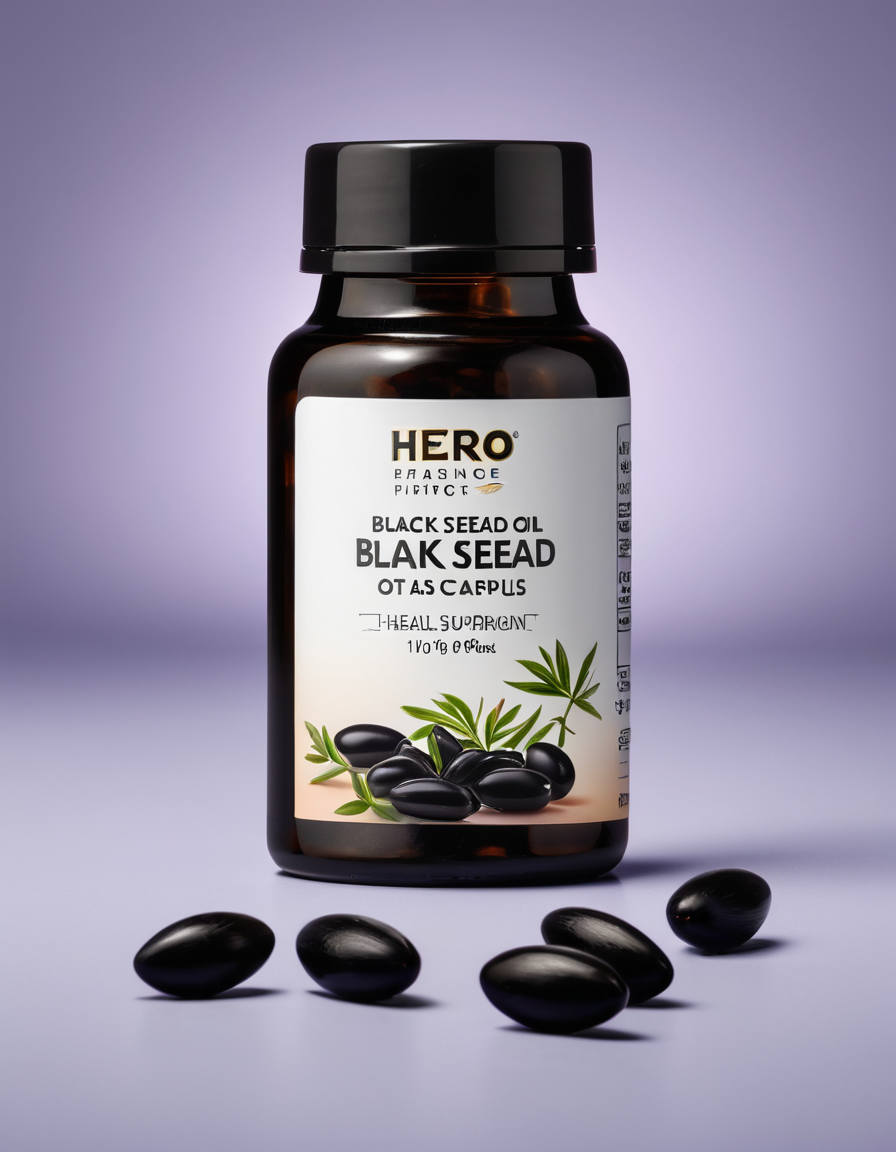
1. Amazing Herbs Black Seed Black Cumin Seed Oil, 1250 mg, 60 Softgels Best Capsules
Rating: 9.4/10 — Best Capsules
Amazing Herbs is the company that introduced black seed oil to the US supplement market, and its 1250 mg softgels remain the default recommendation for anyone who doesn’t want to taste the oil. The softgels deliver a solid dose of cold-pressed black cumin seed oil with the essential fatty acids intact — and zero of the pungent aftertaste that makes people quit liquid oil. At 60 softgels, one bottle covers one to two months at a standard dose.
Pros
- Brand with decades of black seed expertise
- No taste — the biggest compliance killer solved
- 1250 mg per softgel, a straightforward daily dose
- Cold-pressed oil in a stable, easy-to-store format
Cons
- Higher cost per gram than liquid oil
- Thymoquinone content isn’t standardized on the label
- Softgels are large — a factor if you struggle with pills
2. Black Seed Oil, 7% Thymoquinone, 30 ml — Solaray Highest Standardization
Rating: 9.2/10 — Highest Standardization
Solaray’s liquid black seed oil is standardized to 7% thymoquinone — several times the concentration you’ll find in a typical cold-pressed oil. If you want a product where the active compound is measured and locked in, this is the one. The 30 ml dropper bottle makes dosing easy, and Solaray is a well-established brand with testing and quality-control infrastructure.
Pros
- Standardized 7% thymoquinone — the concentration is on the label
- Easy dropper dosing, small bottle you can finish before it goes rancid
- Established brand with quality-control processes
Cons
- Standardization costs more per milliliter than plain oil
- No human head-to-head data showing 7% TQ beats regular oil
- Liquid form — you’ll taste it
3. Amazing Herbs Black Seed Oil, 16 oz Liquid Best Value Liquid
Rating: 9.0/10 — Best Value Liquid
The same cold-pressed black cumin seed oil Amazing Herbs puts in capsules, in a 16 oz bottle that brings the per-serving cost down dramatically. If you’re already used to the taste — or you’re adding oil to food for the whole family — this is the most economical way to buy black seed oil. One bottle lasts months at a teaspoon a day.
Pros
- Lowest cost per serving of our picks
- Flexible dosing — teaspoons, not fixed capsules
- Same trusted brand and cold-pressed oil as pick #1
Cons
- Strong pungent taste that not everyone tolerates
- Liquid goes rancid faster once opened — keep it cool and dark
- Easy to overpour without measuring
4. Organic Black Seed Oil, 8 oz — Zhou Nutrition Best Organic
Rating: 8.9/10 — Best Organic
Zhou Nutrition’s black seed oil is USDA-certified organic and cold-pressed, and the label calls out its omega-3 and GLA content — a reminder that black seed oil is a real source of essential fatty acids, not just thymoquinone. The 8 oz bottle splits the difference between the tiny droppers and the gallon-style jugs: enough for value, small enough to use up while fresh.
Pros
- USDA organic certification
- Cold-pressed with label-highlighted omega-3 and GLA
- Sensible 8 oz size that won’t go rancid before you finish it
Cons
- Liquid taste issue applies here too
- Less brand history with black seed specifically than Amazing Herbs
- No thymoquinone standardization
Comparison Table: Black Seed Oil Picks
| Product | Form | Size | Key Feature | Best For | Price Tier |
|---|---|---|---|---|---|
| Amazing Herbs Black Seed Oil | Softgels (1250 mg) | 60 caps | Cold-pressed, taste-free | First-timers, pill takers | $$ |
| Solaray Black Seed Oil 7% TQ | Liquid dropper | 30 ml | Standardized thymoquinone | Concentration-focused buyers | $$$ |
| Amazing Herbs Black Seed Oil | Liquid | 16 oz | Cold-pressed, value size | Daily liquid users | $ |
| Zhou Nutrition Organic Black Seed Oil | Liquid | 8 oz | USDA organic, omega-3/GLA | Organic-first shoppers | $$ |
Price tiers are per daily serving (1–2 capsules or 1 teaspoon): $ = under $0.30/day, $$ = $0.30–0.70/day, $$$ = over $0.70/day. Check current prices at HerbsPro — sales are frequent.
How to Use Black Seed Oil Safely
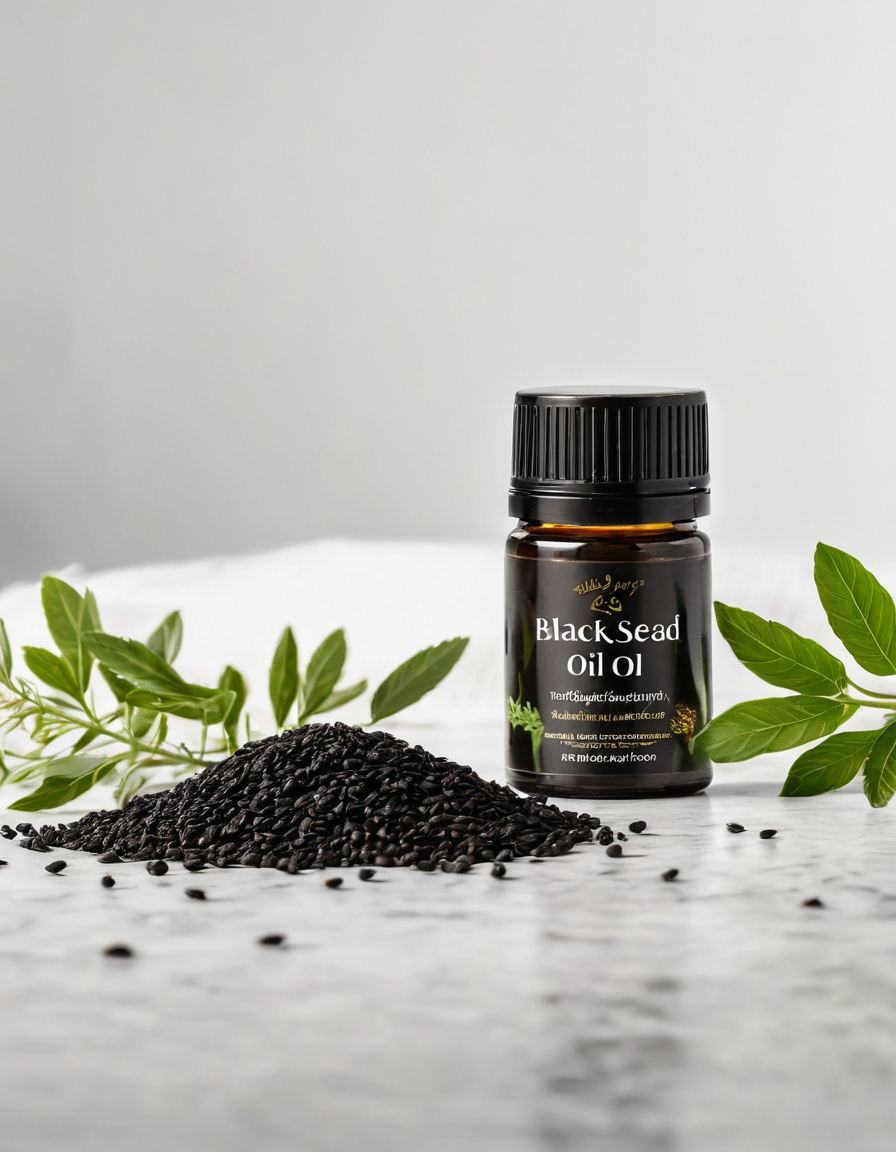
Most trials have used roughly 1–3 g of oil per day (about ½ to 1 teaspoon of liquid, or 1–2 of the 1250 mg softgels). A few practical rules:
- Start with half the label dose for a few days. The oil is a real food — digestive upset is the most common complaint, and it usually passes.
- Liquid oil: keep the bottle sealed, cool, and out of direct light. Rancid oil tastes peppery-sharp and loses the compounds you paid for.
- Don’t treat it as a substitute for medication. The meta-analysis effects are modest, and stopping blood pressure or diabetes drugs to “try the oil” is dangerous.
- Pregnancy: traditional medicine has long used black seed as a uterine stimulant, and safety data in pregnancy is lacking — avoid it while pregnant unless your doctor explicitly clears it.
- Medication interactions: because it can lower blood pressure and blood sugar, combining it with antihypertensives, diabetes drugs, or blood thinners deserves a conversation with your pharmacist or doctor first.
FAQ
What does black seed oil taste like?
Pungent, bitter, and faintly thyme-like — most people describe it as an acquired taste. That’s why capsules exist. If you go liquid, mix a teaspoon into yogurt, honey, or a smoothie rather than taking it straight.
Is black seed oil safe during pregnancy or with medications?
Skip it during pregnancy — traditional use as a uterine stimulant plus a lack of safety data make it a “don’t” unless your doctor says otherwise. If you take blood pressure, diabetes, or blood-thinning medication, check with your pharmacist: the oil can add to the effects of all three, and dose adjustments may be needed.
Will black seed oil lower my blood pressure or blood sugar?
Possibly, modestly. The 2025 meta-analysis of 82 randomized trials found small reductions in blood pressure, LDL cholesterol, triglycerides, and fasting glucose — but the effect sizes were modest and concentrated in people whose values were already elevated. If your numbers are normal, don’t expect a measurable change. And never stop prescribed medication based on a supplement.
The Bottom Line
Black seed oil is one of the better-studied traditional remedies on the shelf, with a 2025 meta-analysis of 82 trials supporting modest improvements in blood pressure, lipids, and blood sugar in people with elevated values. Buy cold-pressed, unrefined oil from a brand that tests its product, choose capsules if you can’t handle the taste, and keep expectations realistic.
At HerbsPro, Amazing Herbs 1250 mg softgels are our pick for most people, Solaray 7% thymoquinone for the standardization-focused, and Zhou Organic if certification matters most. If you’re building an evidence-based supplement routine around inflammation and immune health, black seed oil sits naturally alongside curcumin — see our best turmeric supplement guide — and for daily immune support, our elderberry picks are worth a look.
Sources
- “Black Seeds (Nigella sativa) Medical Application and Pharmaceutical Activities.” Review, PMC (PubMed Central), 2023. PMC10353664
- “Does Nigella sativa supplementation improve cardiovascular disease risk factors? A comprehensive GRADE-assessed systematic review and dose-response meta-analysis of 82 randomized controlled trials.” Pharmacological Research, 2025. PubMed: 40714301
- NIH Office of Dietary Supplements. “Dietary Supplements: What You Need to Know.” ods.od.nih.gov
Disclaimer
This article is for informational purposes only and is not medical advice. Dietary supplements are not intended to diagnose, treat, cure, or prevent any disease. Always consult a qualified healthcare provider before starting any supplement — especially if you are pregnant, nursing, taking medication, or managing a health condition. Product links are affiliate links; SuppTop may earn a commission at no extra cost to you, which never affects our recommendations.