Best Vegan Protein Powder in 2026
Quick summary: I favor Vega Sport Premium Protein, Vanilla (9.5/10) for sport-focused protein. As of September 21, 2026, its observed price is unconfirmed; verify at publish time. Ingredient evidence does not establish this product’s results.
Plant protein can support muscle gain when total intake and training are adequate. I look first at actual protein grams, amino-acid balance, and independent certification, because a large scoop or a long greens list does not answer those questions.
A practical serving is 25–40 g of plant protein to approach whey’s leucine threshold, often around 2–3 g leucine. Needs differ by source and meal composition; a 21 g serving may work better alongside food than as a stand-alone recovery meal.
How I Evaluated
- Pea versus whey: PMID 25628520. A 12-week resistance-training trial found similar biceps gains, with subgroup and sponsorship caveats.
- Protein quality: PMID 26224750. A review explains how digestibility and amino-acid composition affect plant protein responses.
- Soy hormones: PMID 33383165. A meta-analysis found no effect of soy or isoflavones on male reproductive hormones.
I compared evidence relevance, label disclosure, serving practicality, and limitations. Ratings and value badges are editorial judgments; without confirmed prices, they do not establish the cheapest option. I may earn a commission from the retailer links.
Top 4 Vegan Protein Supplements of 2026
1. Vega Sport Premium Protein, Vanilla
EDITOR’S CHOICERating: 9.5/10
What you get: powder; 30 g protein per serving; 4 lb.
Value and quality context: The approximate observed price was unconfirmed on September 21, 2026; verify at publish time.
It supplies 30 g plant protein and has an NSF Certified for Sport listing. That combination fits the sport-focused use case.
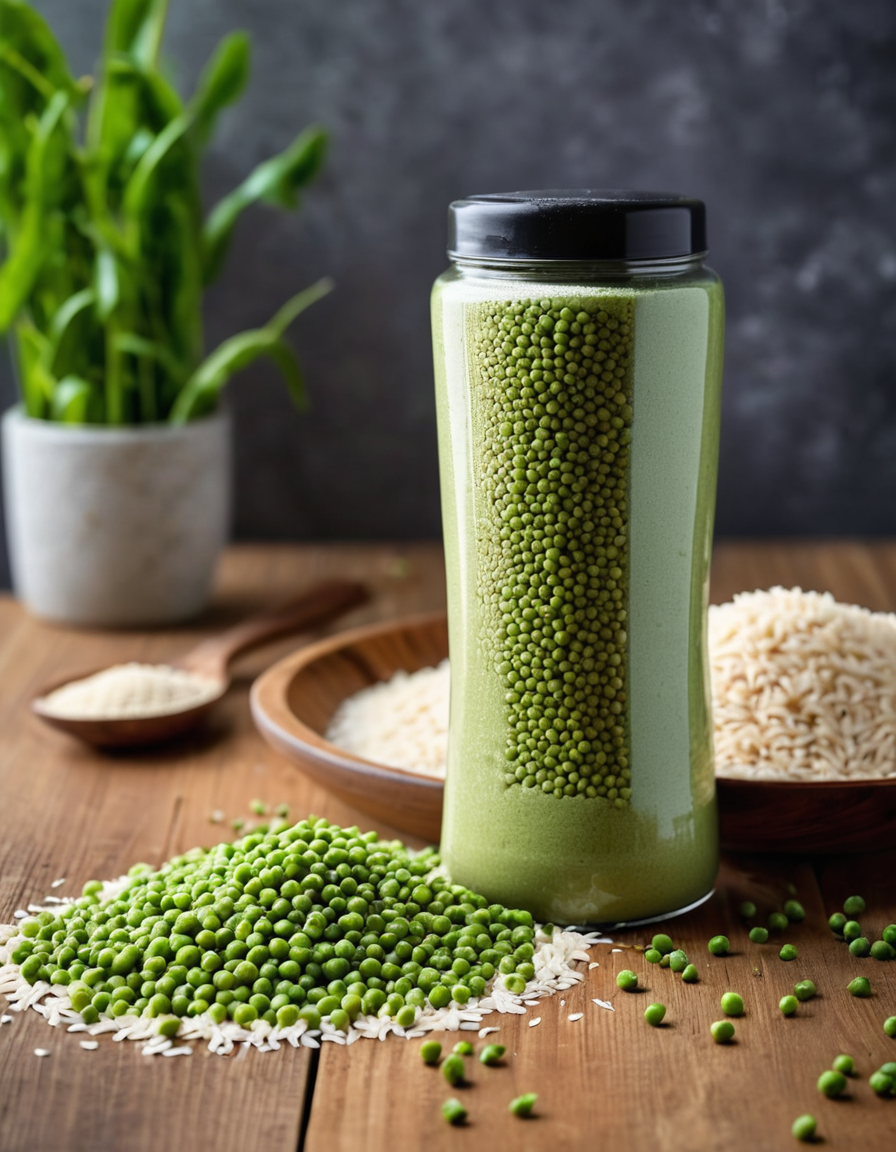
The supplied research records an NSF Certified for Sport listing, a meaningful distinction in this category. Confirm the current exact product listing; certification addresses quality controls, not superior muscle gains.
- Pro: The serving supplies 30 g of plant protein for meal planning.
- Pro: The research records an NSF Certified for Sport product listing.
- Pro: The protein amount falls within the practical plant-protein serving range.
- Con: The large tub and flavored additives will not suit every buyer.
- Con: Ingredient research does not establish this specific product’s clinical results.
2. Orgain Organic Vegan Protein + 50 Superfoods, Vanilla Bean
BEST VALUERating: 9.2/10
What you get: powder; check current label; 2.02 lb.
Value and quality context: The approximate observed price was unconfirmed on September 21, 2026; verify at publish time.
The plant blend has broad retail familiarity. Its mixed-source protein suits a general vegan option.
- Pro: The mixed-source protein offers a general-purpose option for vegan diets.
- Pro: The familiar retail format makes product and serving comparisons accessible.
- Pro: The blend provides an alternative to a single protein source.
- Con: Superfoods cannot replace produce, and gums or sweeteners may cause discomfort.
- Con: The price remains unconfirmed, so savings cannot be established.
3. Garden of Life Raw Protein & Greens Light Sweet
BEST NICHE FORMRating: 8.9/10
What you get: powder; check current label; 651 g.
Value and quality context: The approximate observed price was unconfirmed on September 21, 2026; verify at publish time.
This vegan powder offers protein with greens positioning. It fills an organic-oriented niche.
- Pro: The vegan powder offers protein with a greens-oriented product format.
- Pro: The 651 g container provides a clearly identified package size.
- Pro: The organic-oriented positioning may fit buyers with that sourcing preference.
- Con: Protein and leucine need review; greens do not establish clinical superiority.
- Con: The price remains unconfirmed, so savings cannot be established.
4. Orgain Organic Plant Protein, Vanilla Bean
BUDGET PICKRating: 8.6/10
What you get: powder; 21 g protein per serving; 2.03 lb.
Value and quality context: The approximate observed price was unconfirmed on September 21, 2026; verify at publish time.
This established mainstream product supplies 21 g plant protein. It is an accessible general-use option.
- Pro: The serving discloses 21 g of actual plant protein.
- Pro: The mainstream format offers an accessible option for general use.
- Pro: The powder can complement protein already present in a meal.
- Con: A larger serving or food pairing may be needed for leucine.
- Con: The price remains unconfirmed, so savings cannot be established.
Comparison Table
| Product | Form | Dose per serving | Count | Approximate price | Best for |
|---|---|---|---|---|---|
| Vega Sport Premium Protein, Vanilla | powder | 30 g protein per serving | 4 lb | Unconfirmed; verify at publish time | Sport-focused protein |
| Orgain Organic Vegan Protein + 50 Superfoods, Vanilla Bean | powder | check current label | 2.02 lb | Unconfirmed; verify at publish time | General vegan blend |
| Garden of Life Raw Protein & Greens Light Sweet | powder | check current label | 651 g | Unconfirmed; verify at publish time | Greens-oriented option |
| Orgain Organic Plant Protein, Vanilla Bean | powder | 21 g protein per serving | 2.03 lb | Unconfirmed; verify at publish time | Protein alongside food |
How to Choose a Vegan Protein Supplement
Count grams of protein, not grams of powder. A 25–40 g plant-protein serving can help match whey’s leucine threshold, while a pea-rice blend or complete soy protein helps cover all nine essential amino acids.
Third-party certification matters because powders can concentrate contaminants. Look for current NSF Certified for Sport or Informed Sport coverage and accessible batch records; organic labeling alone does not establish heavy-metal or sport-contaminant controls.
Soy phytoestrogen fears are not supported by the cited hormone evidence. Soy remains a complete protein option, although anyone with a soy allergy still needs an alternative.
Check gums, sweeteners, sugar alcohols, and allergens before choosing a large tub. Food can cover much of the daily target, and kidney disease requires individualized protein advice rather than automatic use of athletic intake ranges.
For related context, read whey protein comparison, whey isolate vs concentrate, and B12 for vegans. These guides cover separate decisions, not a recommendation to combine products.
This article is for information only and is not medical advice. Supplements can interact with medicines. Talk with a clinician before starting anything new, especially if you are pregnant, managing a condition, or taking prescription drugs. Prices and formulations change; the label is the final authority.