Best Grape Seed Extract Supplement in 2026: Top 4 for Circulation & Antioxidants
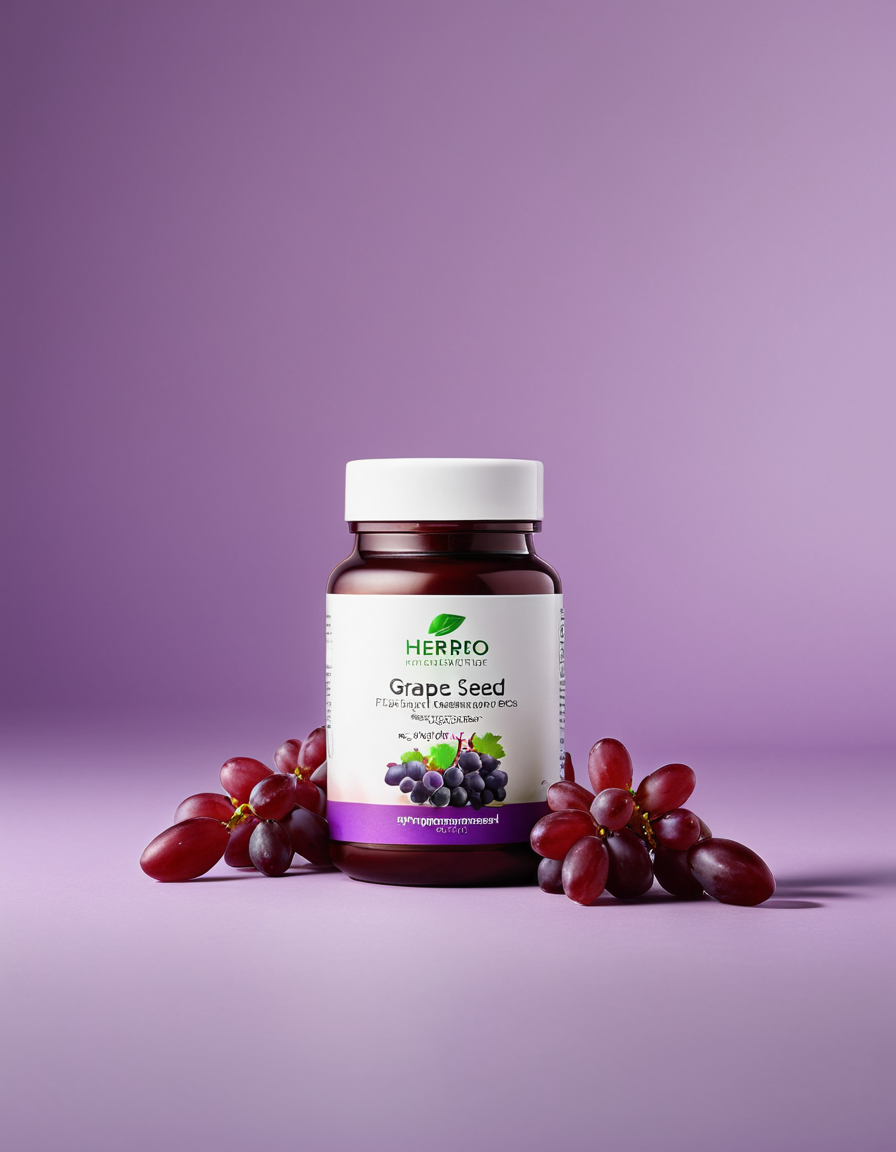
NOW Foods Grape Seed 100 mg is our #1 pick at 9.6/10. NOW Extra Strength 250 mg and Olympian Labs 200 mg are strong runners-up. We ranked these products by extract dose, standardization, serving value, label clarity, and medication safety, using the verified labels, prices, and research available on August 26, 2026.
Bottom line: If you want the short answer — the picks in this guide are ranked by real-world value, third-party testing, and dose transparency. Published clinical research on Grape Seed Extract (e.g., PMID: 27537554, PMID: 21802563) supports its key benefits when used at studied doses. Scan the Quick summary above for the top pick, then read the full breakdown below before you buy.
Sources: PubMed (U.S. National Library of Medicine).
I approached this review as a label-and-evidence comparison, not a promise that everyone needs a supplement. Grape seed extract is a polyphenol-rich extract containing proanthocyanidins, catechin, and related compounds. It is not grape-seed oil. Human research suggests small and inconsistent changes in blood pressure, lipids, and biomarkers, not proven protection from cardiovascular events. I checked both extract milligrams and standardization.
A 90% polyphenol claim and a 95% proanthocyanidin claim can use different assays, so the percentages are not perfectly interchangeable. Bigger numbers do not guarantee a better clinical result. Medication and blood-pressure context matter more than antioxidant marketing. Prices are snapshots in US dollars and can change; the serving math is more useful than bottle price alone.
How We Evaluated
I compared extract dose, stated minimum polyphenols or proanthocyanidins, serving count, added actives, price per serving, and safety. Clear standardization earned more credit than grape-equivalent language, while a practical 100 to 300 mg range earned more credit than maximal dosing alone. Product order follows the research evaluation, and retailer availability was checked separately from scientific support. I also looked for product-specific independent testing; where the research documented only a manufacturer quality program or label claims, I say so rather than implying a finished-batch certificate.
- NCCIH Grape Seed Extract
- Blood-pressure meta-analysis (PMID 27537554)
- Earlier BP meta-analysis (PMID 21802563)
Top 4 Grape Seed Extract Supplements of 2026
1. NOW Foods Grape Seed 100 mg, 100 Veg Capsules
Editor’s ChoiceRating: 9.6/10
NOW Foods Grape Seed 100 mg, 100 Veg Capsules provides 100 mg in a standardized extract veg capsule, with 100 labeled servings. At the recorded HerbsPro price of about $12.48, that works out to roughly $0.12 per labeled serving. It is best suited to clear low-cost starting dose. Those figures are a comparison snapshot, not a guarantee of the price you will see today.
Minimum 90% polyphenols; added vitamin C. This is the lowest recorded daily cost and a conservative dose that is easy to adjust. No product-specific independent certificate of analysis was documented in the supplied research, so the quality assessment rests on the verified identity, disclosed label features, and any stated manufacturer program—not an invented third-party-testing claim. Always recheck the live Supplement Facts panel if a retailer image and body copy disagree.
- Pros: Clear 100 mg serving; clear low-cost starting dose; approximately $0.12 per serving.
- Cons: Added vitamin C makes it not single-ingredient.
2. NOW Foods Grape Seed Extra Strength 250 mg, 90 Veg Capsules
Best High-PotencyRating: 9.4/10
NOW Foods Grape Seed Extra Strength 250 mg, 90 Veg Capsules provides 250 mg in a standardized extract veg capsule, with 90 labeled servings. At the recorded HerbsPro price of about $16.74, that works out to roughly $0.19 per labeled serving. It is best suited to one-capsule higher dose. Those figures are a comparison snapshot, not a guarantee of the price you will see today.
Minimum 90% polyphenols. It stays within the practical 100 to 300 mg range while reducing pill count for a 250 mg plan. No product-specific independent certificate of analysis was documented in the supplied research, so the quality assessment rests on the verified identity, disclosed label features, and any stated manufacturer program—not an invented third-party-testing claim. Always recheck the live Supplement Facts panel if a retailer image and body copy disagree.
- Pros: Clear 250 mg serving; one-capsule higher dose; approximately $0.19 per serving.
- Cons: Less dose flexibility.
3. Solgar Grape Seed Extract 100 mg, 60 Veg Capsules
Best QualityRating: 9.2/10
Solgar Grape Seed Extract 100 mg, 60 Veg Capsules provides 100 mg in a standardized polyphenol veg capsule, with 60 labeled servings. At the recorded HerbsPro price of about $20.99, that works out to roughly $0.35 per labeled serving. It is best suited to vegan established-brand option. Those figures are a comparison snapshot, not a guarantee of the price you will see today.
Vegan; standardized polyphenol extract. The label is straightforward, though the recorded cost per 100 mg is the highest of the set. No product-specific independent certificate of analysis was documented in the supplied research, so the quality assessment rests on the verified identity, disclosed label features, and any stated manufacturer program—not an invented third-party-testing claim. Always recheck the live Supplement Facts panel if a retailer image and body copy disagree.
- Pros: Clear 100 mg serving; vegan established-brand option; approximately $0.35 per serving.
- Cons: Highest cost per serving.
4. Olympian Labs Grape Seed Extract 200 mg, 100 Capsules
Best ValueRating: 9.0/10
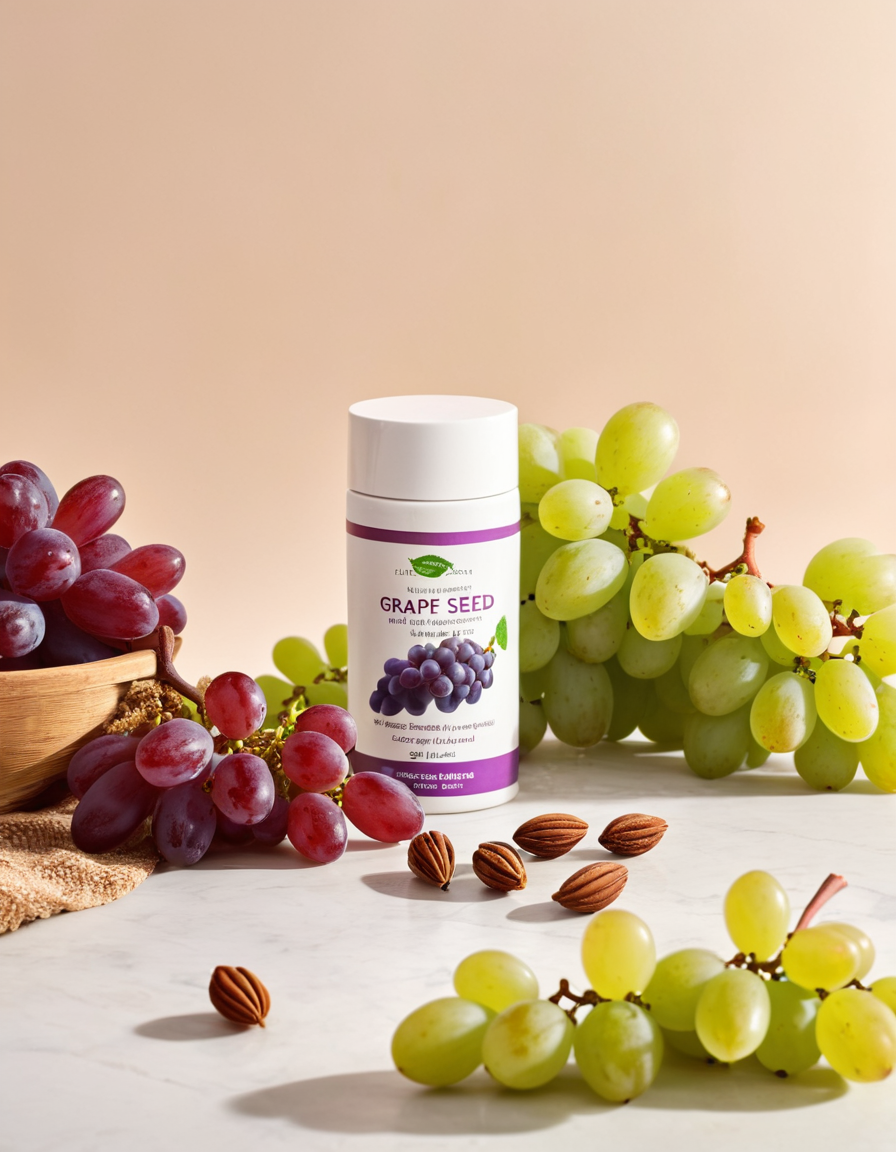
Olympian Labs Grape Seed Extract 200 mg, 100 Capsules provides 200 mg in a standardized extract capsule, with 100 labeled servings. At the recorded HerbsPro price of about $25.82, that works out to roughly $0.26 per labeled serving. It is best suited to cost per standardized dose. Those figures are a comparison snapshot, not a guarantee of the price you will see today.
95% proanthocyanidins; vegan; low-temperature water extraction. Its recorded cost per 100 mg is competitive and its standardization is explicit, but assay differences block simple percentage ranking. No product-specific independent certificate of analysis was documented in the supplied research, so the quality assessment rests on the verified identity, disclosed label features, and any stated manufacturer program—not an invented third-party-testing claim. Always recheck the live Supplement Facts panel if a retailer image and body copy disagree.
- Pros: Clear 200 mg serving; cost per standardized dose; approximately $0.26 per serving.
- Cons: Higher upfront cost.
Comparison Table
| Product | Dose | Form | Servings | Best For |
|---|---|---|---|---|
| NOW Foods Grape Seed 100 mg, 100 Veg Capsules | 100 mg | standardized extract veg capsule | 100 | clear low-cost starting dose |
| NOW Foods Grape Seed Extra Strength 250 mg, 90 Veg Capsules | 250 mg | standardized extract veg capsule | 90 | one-capsule higher dose |
| Solgar Grape Seed Extract 100 mg, 60 Veg Capsules | 100 mg | standardized polyphenol veg capsule | 60 | vegan established-brand option |
| Olympian Labs Grape Seed Extract 200 mg, 100 Capsules | 200 mg | standardized extract capsule | 100 | cost per standardized dose |
How to Choose the Best Grape Seed Extract Supplement
Start with the goal and the evidence. Decide what measurable outcome would make the purchase worthwhile, and distinguish correction of a deficiency or recurrence prevention from broad wellness marketing. A supplement can have a plausible mechanism without proving a meaningful clinical outcome. The evidence links above show the studied population, formulation, dose, duration, and endpoint; all five details matter when deciding whether a bottle resembles a trial.
Read the Supplement Facts panel in full. Compare the active amount per complete serving, not the largest number on the front. Check how many pills make a serving, source and allergen disclosures, added actives, and total daily intake from other products. Proprietary names and extraction percentages can aid identification, but they do not replace an explicit active dose or guarantee that a finished batch was independently tested.
A conservative trial-adjacent start is 100 to 300 mg daily of a standardized extract, with food if needed. Reassess BP using a validated cuff after 6 to 12 weeks and never change prescribed therapy based on a supplement. Match dose and assay rather than choosing grape-seed oil or raw powder. The most relevant further reference for dose and form in this review is Lipid meta-analysis (PMID 32138795). Keep the bottle, start one new product at a time, and record the dose, start date, benefits, and adverse effects. That simple log reduces hindsight bias and makes a clinician conversation more useful.
Short-term complaints include headache, dizziness, nausea, GI upset, and dry or itchy scalp. Because polyphenols may affect platelets and lower BP, use caution with anticoagulants, antiplatelets, bleeding disorders, surgery, and antihypertensives. Pregnancy and breastfeeding safety is unknown. Buying from a verified listing confirms product identity, not personal suitability. Discuss use with a pharmacist or clinician if you take prescription drugs, have a chronic condition, are pregnant or breastfeeding, or are preparing for surgery. Stop for an allergic reaction or persistent adverse effect, and seek prompt care for new or worsening symptoms rather than increasing the dose.
Plan a fair trial before buying. Write down the reason for taking the supplement and choose one outcome that can actually be observed: a laboratory value ordered by a clinician, a validated home measurement, the number of medically confirmed recurrences, or a simple symptom scale recorded at the same time each week. Decide in advance when you will reassess and what would make you stop. Starting several supplements together makes both benefits and side effects harder to attribute. It also raises the chance of duplicating nutrients or ingredients across a multivitamin, specialty blend, and fortified food. A planned trial is especially important when the expected effect is modest and gradual rather than something a person can reliably feel after one dose.
Verify the delivered product. On arrival, match the brand, exact product name, strength, count, serving size, and form to the listing used in this review. Check the expiration date, seal, storage directions, allergen statement, and lot number. Do not rely on an old marketplace title if the bottle has been reformulated. A live retailer page, familiar brand, GMP statement, or branded raw material may be reassuring, but none alone proves the potency or purity of the specific lot in hand. If independent verification matters to you, look for a current, product-specific certificate or recognized certification that can be tied to that exact item; do not infer it from generic language such as “lab tested.” Keep purchase records in case the label, smell, appearance, or seal seems wrong.
Compare total cost, not only bottle price. Multiply pills per day by the price per pill and by the intended trial length. The cheapest container can become expensive if the evidence-aligned dose requires several units, while a larger bottle can occasionally cost more per serving than a smaller one. Shipping, subscription terms, and unused product also affect value. Price does not compensate for a poorly matched form, an undisclosed active amount, or a dose that conflicts with a medication. When two formulas are otherwise similar, I favor the one that makes those tradeoffs easier to see on the label.
FAQ
Does grape seed extract lower blood pressure?
Meta-analyses suggest small, inconsistent average changes. It is not a substitute for diagnosis, monitoring, or medication.
Is 95% OPC better than 90% polyphenols?
Not necessarily. Assays differ and the percentages are not interchangeable. Look at extract dose, method transparency, and tolerability.
Is grape-seed oil the same thing?
No. The oil is mainly fatty acids and does not provide a trial-like standardized polyphenol extract.
The Bottom Line
NOW Foods Grape Seed 100 mg ranks first because it offered the best overall balance of extract dose, standardization, serving value, label clarity, and medication safety in the verified research snapshot. The runners-up may fit a different dose, source, serving format, or budget better. Treat the rating as a comparative editorial score, not a medical grade, and recheck the live label, price, and your medication context before buying.
- Read our Best Quercetin Supplement review
- Read our Best Resveratrol Supplement review
- Browse Grape Seed Extract supplements at HerbsPro →
Sources
- NCCIH Grape Seed Extract
- Blood-pressure meta-analysis (PMID 27537554)
- Earlier BP meta-analysis (PMID 21802563)
- Lipid meta-analysis (PMID 32138795)
Disclaimer: This article is for informational purposes only and is not medical advice. Supplements can cause side effects and interact with medications. Consult a qualified healthcare provider before starting a supplement, especially if you have a medical condition, take medication, are pregnant or breastfeeding, or are planning surgery. This page contains affiliate links; we may earn a commission at no additional cost to you.