Best Fiber Supplements for Constipation in 2026: Psyllium vs the Alternatives
Quick summary: Metamucil Sugar-Free Psyllium earns my top spot and a 9.5/10 rating because gel-forming psyllium has the strongest evidence here and powder enables gram-level dosing. The approximate observed price was $34.97 on September 11, 2026; every dose still requires ample water.
Fiber types behave differently. Psyllium forms a water-retaining gel, methylcellulose is relatively nonfermentable, wheat dextrin can dissolve clearly but ferment, and glucomannan expands rapidly with special swallowing hazards.
I prioritized evidence, named-fiber grams, practical powder dosing, and clear hydration instructions. New constipation with bleeding, weight loss, anemia, fever, severe pain, vomiting, or inability to pass stool or gas needs medical evaluation.
How We Evaluated
- Fiber meta-analysis: PMID 35816465. Fiber improved response and stool frequency, with dose, duration, and fiber type affecting results.
- Glucomannan trial: PMID 41117955. A recent study involved athletes with functional constipation, limiting generalization.
- PHGG trial: PMID 35297467. Partially hydrolyzed guar gum reduced constipation in long-term-care residents, a setting-specific result.
- Magnesium comparison: PMID 32969946. Magnesium oxide improved outcomes in a laxative trial, but it is not fiber or evidence for magnesium glycinate.
Scores reflect evidence strength, useful grams per serving, mixing practicality, safety, label transparency, and value. Powder generally ranks above capsules when a clinically relevant gram dose would otherwise require many pills.
Top 4 Fiber Supplements of 2026
1. Metamucil 4-in-1 Sugar-Free Psyllium Husk Powder, 180 teaspoons
EDITOR’S CHOICERating: 9.5/10
What you get: 180 teaspoons of orange-flavored powder; target 5–10 g daily in divided doses with at least 8 ounces of water each time.
Value and quality context: The approximate observed price was $34.97 on September 11, 2026. Confirm current serving grams, price, sweeteners, and formulation before purchase.
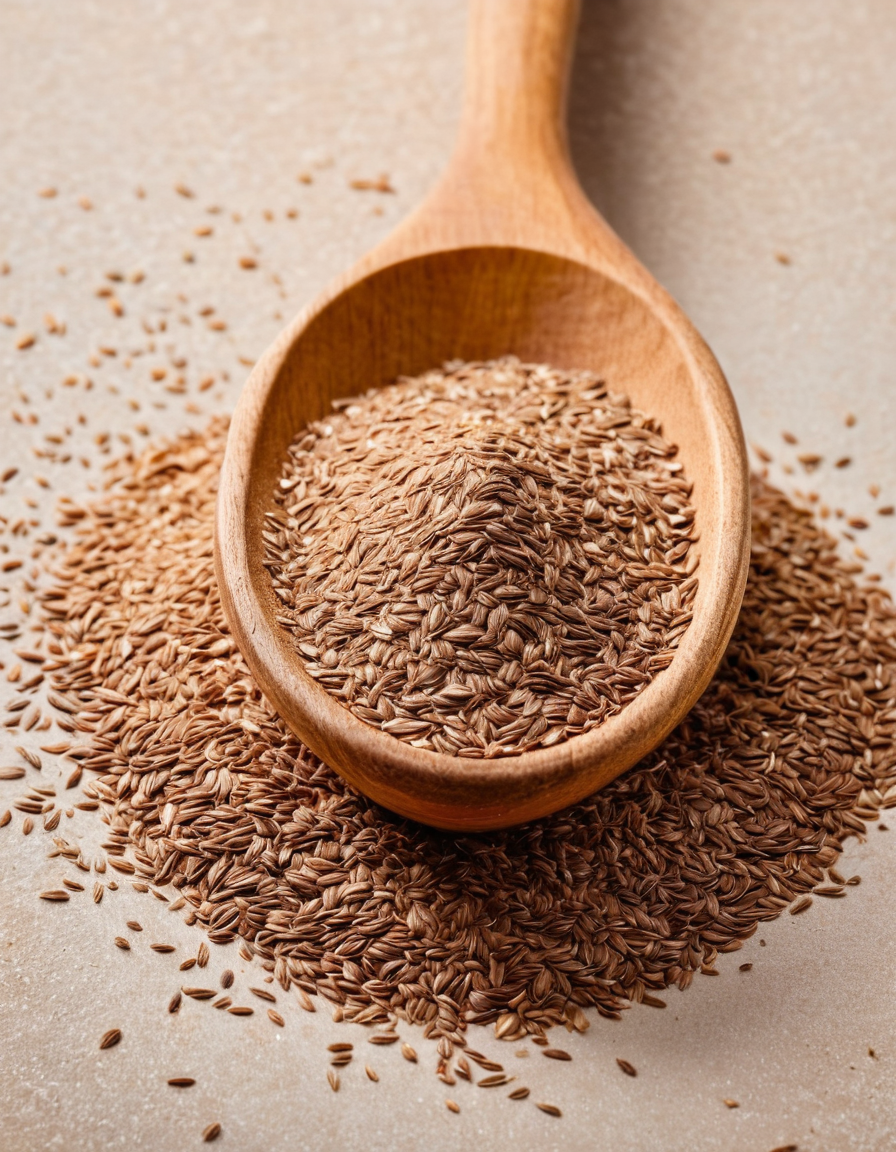
Psyllium has the strongest constipation evidence among these fibers because its viscous gel retains water and helps normalize stool consistency. Powder makes a useful gram dose more practical than a large capsule count.
Its advantage depends on technique: mix completely, drink promptly, and follow with adequate fluid. Texture, flavoring, bloating, and sweeteners may still determine whether daily use is realistic.
- Pro: Psyllium has the strongest constipation evidence among these options.
- Pro: Powder delivers practical gram doses without numerous capsules.
- Pro: The observed price supports a concrete daily-value calculation.
- Con: Flavor, sweeteners, and gel texture may discourage adherence.
- Con: Insufficient liquid creates a serious obstruction and choking risk.
2. Citrucel Sugar-Free Orange Methylcellulose Powder, 16.9 oz
BEST LOW-FERMENTATION OPTIONRating: 9.0/10
What you get: 16.9 ounces of powder; follow the label toward a typical 4–6 g daily methylcellulose target.
Value and quality context: The listing required price verification on September 11, 2026. Compare the price per gram of methylcellulose, not powder weight alone.
Methylcellulose is less fermentable and may suit people bothered by gas from prebiotic fibers. Direct constipation evidence is less extensive than psyllium’s, but the powder format makes titration and useful dosing practical.
- Pro: Lower fermentation may reduce gas for sensitive users.
- Pro: Powder supports gradual adjustment toward a useful dose.
- Pro: Methylcellulose offers a clear alternative to fermentable fibers.
- Con: Its direct evidence base is thinner than psyllium’s.
- Con: Flavoring and hydration requirements remain important daily considerations.
3. Benefiber Prebiotic Fiber Powder, 17.6 oz
BEST CLEAR-MIXINGRating: 8.7/10
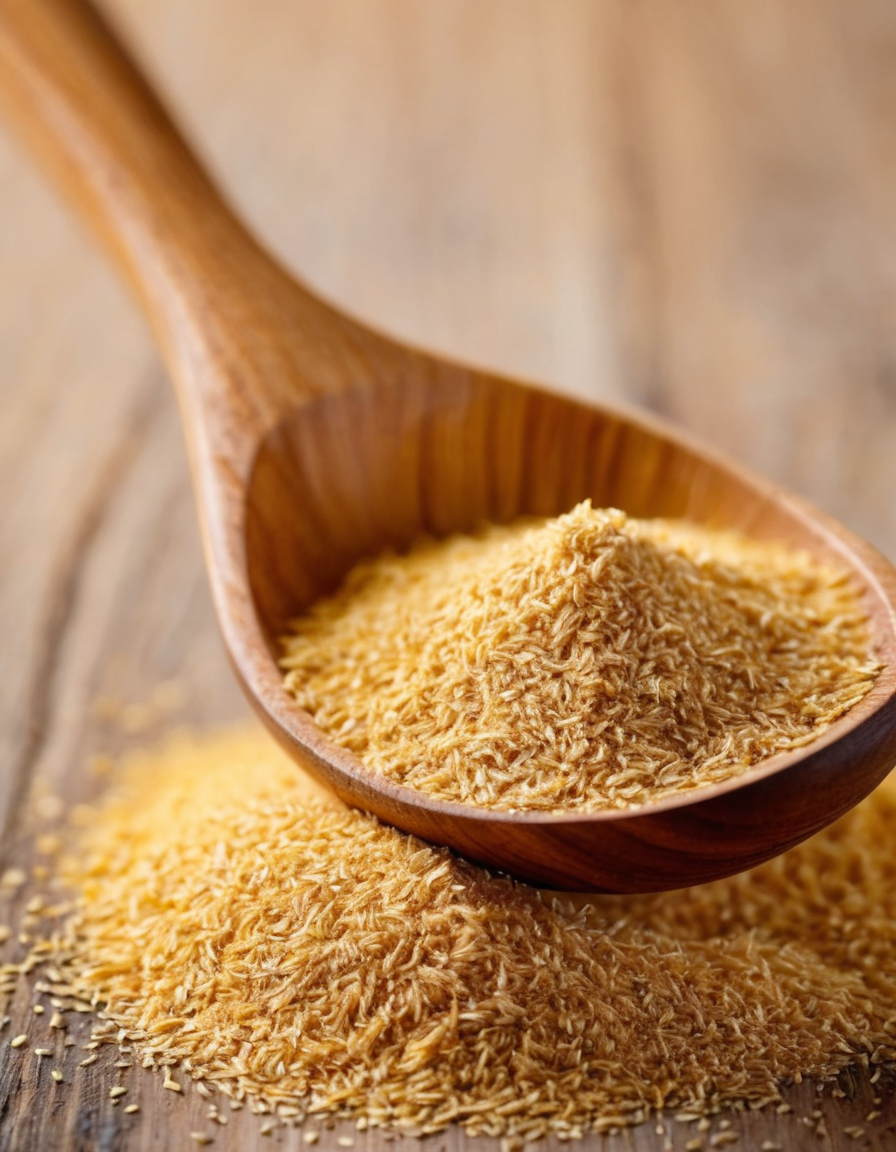
What you get: 17.6 ounces of wheat dextrin powder; the label directs two teaspoons up to three times daily.
Value and quality context: The approximate observed price was $31.60 on September 11, 2026. The page disclosed 3 g soluble fiber per serving; recheck both details when buying.
Wheat dextrin dissolves clearly, making it easier to add to drinks or soft foods. That convenience is meaningful, but its constipation evidence is not as strong as gel-forming psyllium and fermentation may cause gas.
- Pro: Clear mixing can make regular use more convenient.
- Pro: The page disclosed 3 g soluble fiber servings.
- Pro: An observed price allows transparent value comparisons today.
- Con: Fermentation may increase uncomfortable gas or bloating initially.
- Con: Wheat origin and current gluten labeling require confirmation.

4. NOW Foods Glucomannan 100% Pure Powder, 8 oz
BEST NICHE FORMRating: 8.4/10
What you get: 8 ounces of powder; divide 2–4 g daily and always take it with ample water.
Value and quality context: The listing required price verification on September 11, 2026. Evaluate cost per hydrated gram-level serving rather than container weight alone.
Powder avoids the particular swallowing problem of rapidly swelling capsules and supports gram-level dosing. Adult constipation results remain mixed, making this a niche alternative rather than my default recommendation.
- Pro: Powder avoids swallowing rapidly expanding glucomannan capsules whole.
- Pro: The format permits practical gram-level serving measurement at home.
- Pro: A single fiber simplifies ingredient and dose review.
- Con: Rapid thickening creates meaningful choking and obstruction hazards.
- Con: Adult constipation findings remain mixed across available studies.
Comparison Table
| Product | Form | Dose per serving | Count | Approximate price | Best for |
|---|---|---|---|---|---|
| Metamucil Psyllium | Orange powder | 5–10 g/day divided | 180 teaspoons | $34.97 observed | Strongest evidence |
| Citrucel Methylcellulose | Powder | 4–6 g/day target | 16.9 oz | Verify | Lower fermentation |
| Benefiber Wheat Dextrin | Powder | 2 tsp up to 3 times | 17.6 oz | $31.60 observed | Clear mixing |
| NOW Glucomannan | Powder | 2–4 g/day divided | 8 oz | Verify | Niche alternative |
How to Choose a Fiber Supplement
Start with fiber type, not branding. Psyllium has the strongest evidence and forms a stool-normalizing gel, while methylcellulose ferments less. Wheat dextrin and other fermentable fibers may be easy to mix but can increase gas.
Look for grams of the named fiber per serving. Powder makes 5–10 g of psyllium or other gram-level targets practical, while capsules can require an unreasonable count. Check added sugar, sweeteners, allergens, and gluten statements.
Begin below the full target and increase across several days. This gives the digestive system time to adapt and makes bloating easier to manage. Consistent fluid intake matters as much as the dose.
Never swallow rapidly swelling fiber dry. Mix it completely, use at least 8 ounces of water with psyllium, and stop for trouble swallowing, severe pain, or vomiting. People with swallowing difficulty should avoid glucomannan without professional guidance.
Separate fiber from oral medicines by at least two hours, or longer when the medicine label directs. Ask a pharmacist about narrow-therapeutic-index drugs. Magnesium laxatives are a different category and should be avoided in kidney disease unless supervised.
For focused follow-up, read about psyllium husk supplements, the glucomannan supplement guide, and magnesium glycinate versus citrate.
This article is for information only and is not medical advice. Supplements can interact with medicines. Talk with a clinician before starting anything new, especially if you are pregnant, managing a condition, or taking prescription drugs. Prices and formulations change; the label is the final authority.