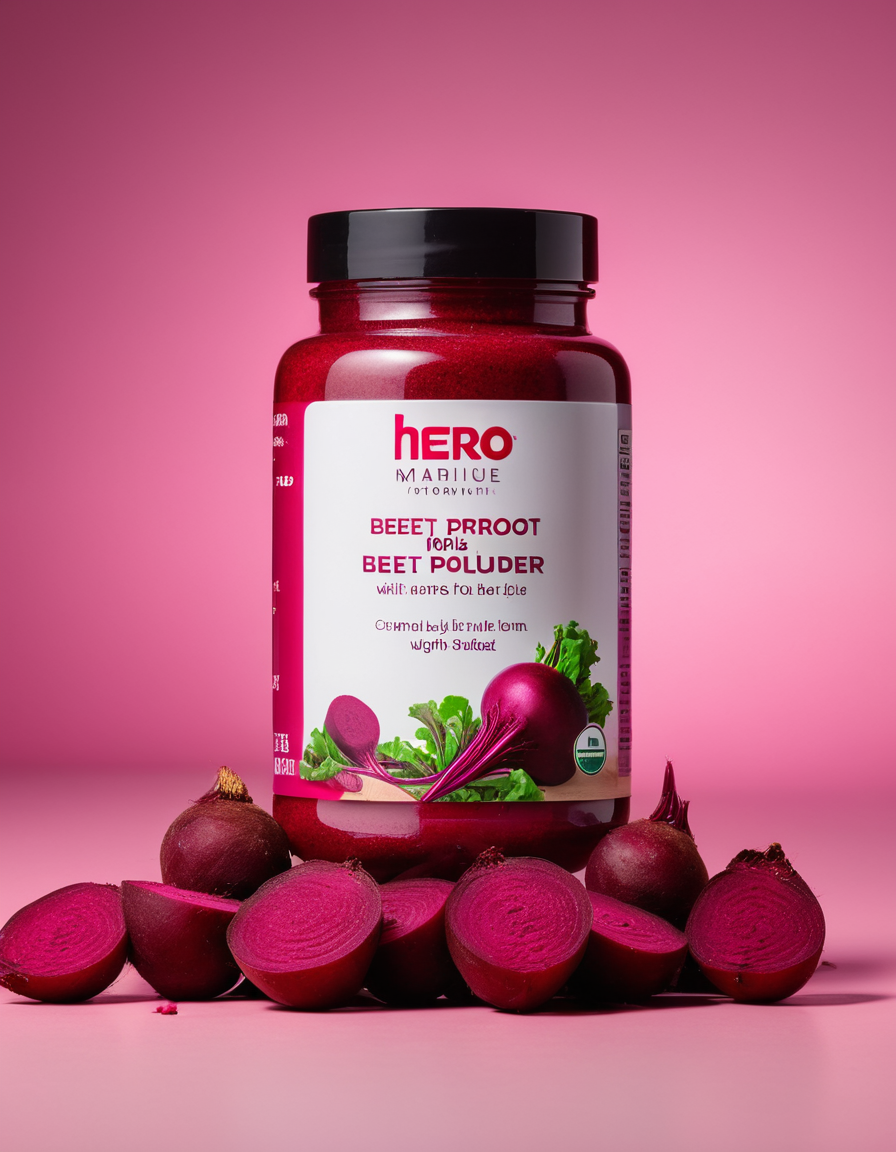
Best Beet Root Supplement in 2026: Top 4 for Blood Pressure & Endurance
Quick summary: KOS Organic Beet Root Powder is my top pick at 9.4/10 for its single-ingredient formula, manageable serving, and available brand COA. NOW Foods Beet Root Powder is the value runner-up, while HumanN offers a flavored alternative. I compared serving size, ingredient transparency, value, and nitrate disclosure—and none of these four powders quantifies nitrate.
Bottom line: If you want the short answer — the picks in this guide are ranked by real-world value, third-party testing, and dose transparency. Published clinical research on Beet Root (e.g., PMID: 35369064, PMID: 23640589) supports its key benefits when used at studied doses. Scan the Quick summary above for the top pick, then read the full breakdown below before you buy.
Sources: PubMed (U.S. National Library of Medicine).
Beetroot is interesting because its best-supported effects depend mainly on dietary nitrate, which oral bacteria convert to nitrite and then nitric oxide. That pathway may support a modest reduction in systolic blood pressure and small improvements in exercise economy. But ordinary beet powder is not automatically equivalent to the nitrate-rich juices used in trials, since nitrate varies with crop and processing.
I approached these as food powders, not clinically standardized nitrate products. All four can add beetroot to a smoothie or drink, but none states milligrams or millimoles of nitrate. Serving size, taste, ingredients, and price can therefore be compared; trial-equivalent nitrate exposure cannot. That limitation matters more than any package language about nitric oxide.
How We Evaluated
I checked powder type, labeled serving, ingredient complexity, nitrate transparency, available quality information, and cost. I gave no product credit for an unquantified performance claim. The central evidence included:
- A 2022 meta-analysis of seven trials (PMID 35369064) found about a 4.95-mmHg systolic reduction in people with hypertension, without a significant diastolic reduction.
- A dose-response study (PMID 23640589) supports roughly 5–8 mmol nitrate for acute exercise use.
- A 2026 synthesis (PMID 42523624) found small exercise benefits that appeared more consistent in recreationally active people.
Top 4 Beet Root Supplements of 2026
1. KOS Organic Beet Root Powder, 7.1 oz
Editor’s ChoiceRating: 9.4/10
KOS is an organic, single-ingredient beetroot powder with a 4 g scoop. Net weight implies about 50 servings. The simple formula makes it easy to add to water or a smoothie without a flavored blend, and a recent brand certificate of analysis was available during research.
At around $17.59, the estimated cost was about $0.35 per serving. That is a reasonable middle ground, but nitrate is not stated, so neither the 4 g dose nor the COA proves a trial-level nitrate amount. I rank it first as a transparent food powder, not as a guaranteed ergogenic dose.
- Pros: Organic single ingredient; 4 g scoop; about 50 servings; recent brand COA available.
- Cons: Nitrate unquantified; earthy taste may not suit everyone; powder can stain.
2. NOW Foods Beet Root Powder, 12 oz
Best ValueRating: 9.2/10
This verified replacement is a pure dried, non-GMO beet powder with no added ingredients. The label serving is one tablespoon, described as approximately equivalent to 2.5 whole beets. That statement helps explain food quantity, but it does not quantify nitrate and should not be converted into a clinical dose.
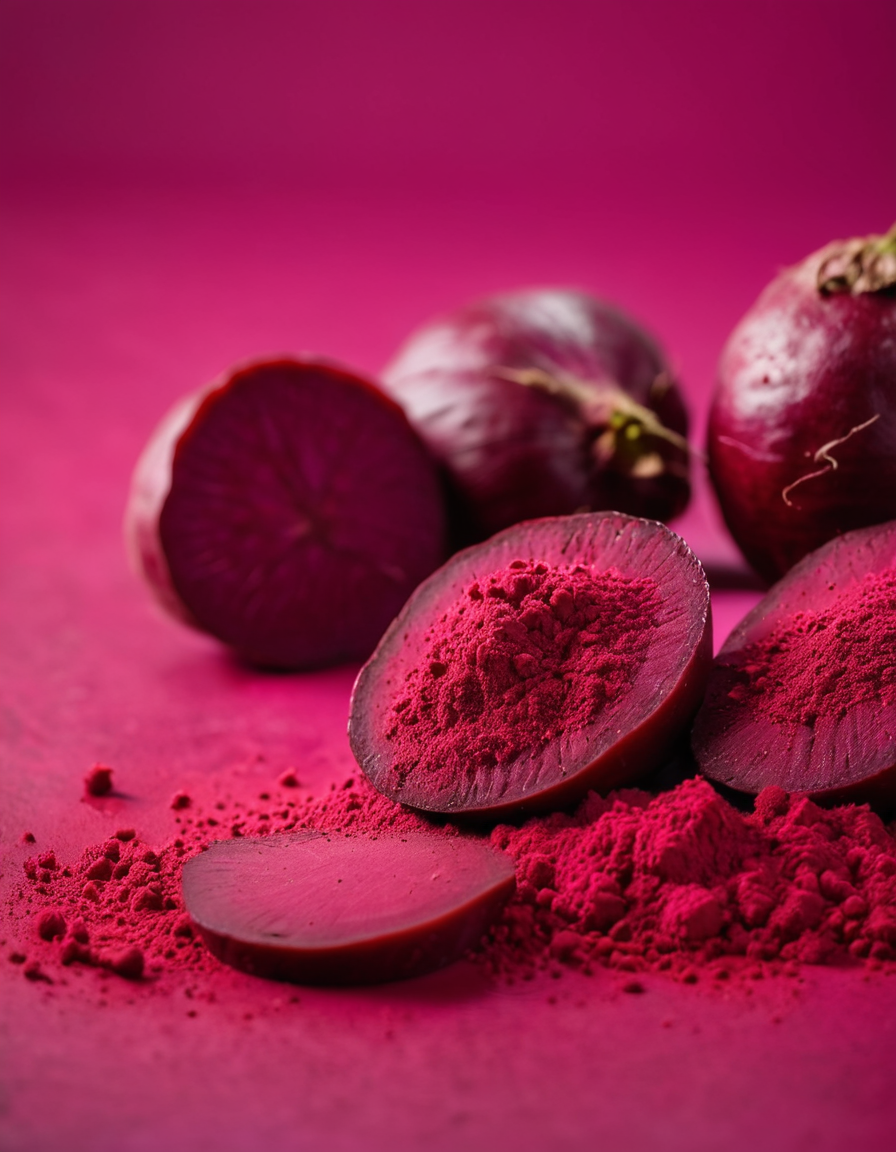
The full 12-ounce container was around $21.99, which makes it the most compelling bulk value in this lineup. A tablespoon is a larger-volume serving than KOS’s scoop and may work best blended into food. No specific per-serving cost is stated because the source did not verify a serving count.
- Pros: Large 12-ounce container; pure single ingredient; no added ingredients; moderate shelf price.
- Cons: Nitrate not quantified; serving count and cost per serving not verified; tablespoon may be less portable.
3. HumanN SuperBeets Black Cherry, 5.3 oz
Best QualityRating: 8.8/10
SuperBeets combines fermented and nonfermented beet powders in a black-cherry-flavored powder. One teaspoon is 5 g, and the container supplies 30 servings. The flavored format may be easier to drink than plain earthy beet, though it is no longer a simple one-ingredient comparison.
The researched price was around $43.24, or about $1.44 per serving, the highest cost here. Its cited retail label did not state nitrate content, so the premium cannot be justified as a verified clinical nitrate dose. I would choose it for flavor preference rather than assume stronger cardiovascular or exercise effects.
- Pros: Fermented and nonfermented powders; black cherry flavor; measured teaspoon serving.
- Cons: Highest serving cost; nitrate unquantified; flavored formula adds complexity.
4. Country Farms Bountiful Beets Powder, 10.6 oz
Budget PickRating: 8.5/10
The cherry-flavored formula uses a 10 g scoop that includes 4 g of beetroot powder. It provides 30 servings and carries a no-added-sugar claim. The distinction between total serving weight and beetroot weight is important: the entire 10 g should not be described as beetroot.
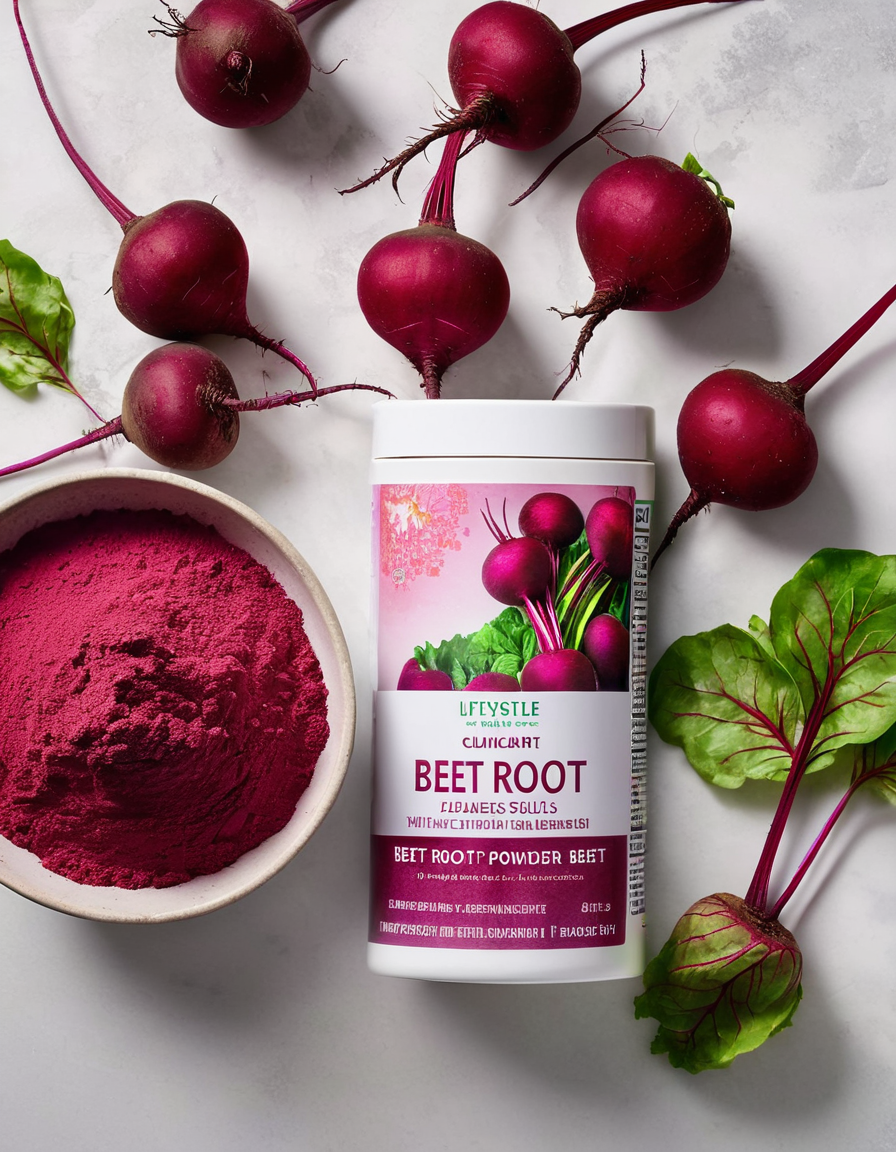
At around $19.99, it cost about $0.67 per serving. That is less than HumanN but more than KOS. Nitrate remains undisclosed, and the other blend components mean it is best viewed as a flavored daily drink rather than a precise nitrate supplement.
- Pros: Cherry flavor; no-added-sugar claim; 30 measured servings; moderate bottle price.
- Cons: Only 4 g of the 10 g scoop is beetroot; nitrate unquantified; costs more per serving than KOS.
Comparison Table
| Product | Dose | Form | Servings | Best For |
|---|---|---|---|---|
| KOS Organic | 1 scoop (4 g); nitrate unstated | Powder | About 50 | Simple organic powder |
| NOW Foods | 1 tbsp; nitrate unstated | Powder | Not verified | Bulk value |
| HumanN SuperBeets | 1 tsp (5 g); nitrate unstated | Flavored powder | 30 | Black cherry flavor |
| Country Farms | 1 scoop (10 g; 4 g beetroot) | Flavored powder | 30 | No-added-sugar option |
How to Choose the Best Beet Root Supplement
If blood pressure or endurance is the goal, nitrate disclosure should be the first filter. Evidence-matched acute exercise use is about 5–8 mmol, or 310–500 mg nitrate, typically two to three hours before exercise. Repeated use for three to seven days is common. None of these four powders states that amount, so shoppers cannot know whether one scoop matches a trial.
For blood pressure, the 2022 meta-analysis evaluated nitrate-rich juice interventions of 70–250 mL daily over 3–60 days. Its systolic result should not be transferred automatically to dehydrated retail powder. It also did not show a significant diastolic reduction. Keep prescribed care in place and use home readings only as information to discuss with a clinician.
Avoid antibacterial mouthwash around dosing because oral bacteria participate in nitrate conversion. Choose plain powder when you want ingredient simplicity, or flavored powder when taste will determine adherence. Compare actual beetroot amount, not total blend weight, and expect harmless red urine or stool. Red staining, earthy taste, clumping, and gastrointestinal discomfort are practical reasons some users stop.
Nitrate may add to blood-pressure lowering from antihypertensives, nitroglycerin or isosorbide, PDE5 inhibitors, or baseline hypotension. Beetroot also contains oxalate, so recurrent calcium-oxalate stone formers and people prescribed a low-oxalate diet should ask their clinician. Food-level beet intake in pregnancy is not the same as concentrated supplementation. Seek individualized guidance rather than assuming a vegetable powder is risk-free.
FAQ
Serving economics should be read alongside nitrate uncertainty. KOS has an estimated count based on net weight, NOW’s replacement details do not verify a count, and the flavored products state 30 servings. I have not invented a NOW per-serving figure. Current prices can change, so recalculate from the current label and container. Even a very low food-powder cost does not solve the missing nitrate number. For an evidence-matched goal, dose transparency is more valuable than a large tub, organic logo, flavor system, or impressive number of beet equivalents.
People sometimes combine beetroot with pre-workout stimulants or other nitric-oxide ingredients. That creates a different regimen from the research summarized here and can complicate blood-pressure symptoms, gastrointestinal tolerance, and attribution. Test only one change at a time, disclose the full stack to a clinician when medication is involved, and stop exercise for chest pain, fainting, unusual shortness of breath, or neurologic symptoms. A supplement review cannot determine whether such symptoms are benign.
The nitrate gap changes how these products should be compared. A larger scoop may deliver more beet solids but not necessarily a predictable amount of nitrate, because growing conditions and processing matter. Claims such as “equivalent to 2.5 beets” provide food context, not a conversion to milligrams of nitrate. A shopper specifically seeking the exposure used in exercise studies should look for a product that states nitrate in milligrams or millimoles, even though that may fall outside this food-powder lineup.
Training status matters as well. The cited synthesis found small benefits more consistently among recreationally active people than highly trained athletes. Beetroot should therefore be viewed as a possible marginal aid, not a substitute for training, carbohydrate availability, hydration, recovery, or pacing. Sprint and high-intensity interval findings are less certain than the endurance-economy evidence. Testing a product during ordinary training is more sensible than first trying it on race day.
For home blood-pressure use, measure under consistent conditions and discuss repeated trends rather than isolated readings. Beetroot cannot diagnose hypertension or replace medication. A small average systolic reduction in a meta-analysis means some participants changed more, some less, and some not at all. The absence of a significant average diastolic effect is another reason to describe the evidence narrowly rather than promising broad “heart health.”
Powder handling is a genuine purchasing criterion. Plain beet can taste earthy, colored pigment can stain counters and clothing, and some products clump in cool liquid. A shaker, blender, or mixing into yogurt may be easier than stirring into water. Flavored formulas trade ingredient simplicity for palatability. Check total carbohydrate and sugar on the current label if those nutrients matter to your diet, since the source research notes that powders vary.
I would also avoid doubling scoops merely because no effect is felt. Nitric-oxide physiology does not guarantee a perceptible sensation, and an undisclosed nitrate amount makes escalation especially uncertain. Start with the manufacturer serving, confirm tolerance, and involve a clinician when blood-pressure medicines, nitrate drugs, PDE5 inhibitors, kidney-stone history, pregnancy, or a prescribed diet is relevant. A food-derived product can still have a meaningful pharmacologic interaction.
Is beet powder the same as beetroot juice?
No. Both come from beets, but processing, serving size, and nitrate content can differ. A powder without quantified nitrate cannot be assumed equivalent to nitrate-rich juice used in a clinical trial.
When should I take beetroot before exercise?
Research commonly places an evidence-matched nitrate dose two to three hours before exercise. Because these picks do not disclose nitrate, timing one scoop similarly does not guarantee the same exposure or result.
Why does beetroot turn urine red?
Beeturia and red stool are common benign pigment effects. They can be surprising and powder can stain surfaces. If discoloration is unexplained, persistent, painful, or possibly blood rather than pigment, seek medical assessment.
The Bottom Line
KOS is my first choice among these four food powders, and NOW Foods offers the strongest bulk value. HumanN and Country Farms may suit people who prefer flavor. Yet the honest conclusion is that none quantifies nitrate, so none can promise the exposure used in blood-pressure or endurance trials. Buy for ingredient and format preferences, and keep expectations proportionate to that uncertainty.
- Related: Best L-Citrulline Supplement in 2026
- Related: Best Pre-Workout
- Shop beet root supplements at HerbsPro →
Sources
- Benjamim et al. (2022), PMID 35369064.
- Wylie et al. (2013), PMID 23640589.
- Qin & Kim (2026), PMID 42523624.
Disclaimer: This article is for informational purposes only and is not medical advice. Consult a qualified healthcare provider before starting a supplement, especially with medication, low blood pressure, kidney-stone risk, pregnancy, breastfeeding, or a medical condition. Affiliate links may earn us a commission at no additional cost to you.