
Best Ashwagandha for Stress on Amazon
I compare ashwagandha by extract identity, dose schedule, and reasons to skip it. A smaller milligram number doesn’t necessarily mean a weaker extract.
Quick Summary
If you’re pregnant, breastfeeding, or have a thyroid or autoimmune disorder, don’t start ashwagandha on your own. If you have cirrhosis or advanced chronic liver disease, skip it. If ordinary stress is manageable with sleep, workload changes, and support, you may not need a supplement; a vague worry about cortisol isn’t enough reason to buy one.
I’d compare Jarrow first if its bottle confirms KSM-66, because its labeled schedule matches the main cited study. Sports Research offers a single daily serving if the exact formula is confirmed. Life Extension is the distinct Sensoril option.
- Closest labeled study schedule: Jarrow Formulas Ashwagandha 300 mg — check price on Amazon.
- Single-serving KSM-66 option: Sports Research Organic Ashwagandha KSM-66, 600 mg — check price on Amazon.
- Different extract to compare: Life Extension Optimized Ashwagandha Extract — check price on Amazon.
How We Compared
We did not test these products. For price transparency, I compare cost per labeled daily serving and check the exact pack size. I compared extract identity, root-only versus root-and-leaf composition, standardization, dose schedules, and label clarity. I considered third-party testing information but didn’t assume an organic label or branded extract established independent verification of every finished bottle.
A 60-day randomized trial in chronically stressed adults used KSM-66 root extract at 300 mg twice daily and found better stress-scale and cortisol results than placebo (PMID 23439798). NCCIH describes short-term evidence, uncertain long-term safety, and important exclusions: https://www.nccih.nih.gov/health/ashwagandha.
Sports Research Organic Ashwagandha KSM-66, 600 mg
Fit and tradeoffs
Why it fits: The specified Sports Research product uses organic KSM-66 root extract, with 600 mg per daily serving standardized to 5% withanolides in vegan capsule form. Limitations: The trial divided the amount into 300 mg twice daily; a single 600 mg serving doesn’t reproduce that schedule. The supplied research also flags a different Shoden softgel emphasized in the manufacturer’s lineup. My recommendation is conditional on the actual listing and bottle showing this KSM-66 formula.
Honest cons: The full 600 mg in one step offers less titration flexibility. The higher per-capsule dose may increase drowsiness or gastrointestinal intolerance in sensitive users. A manufacturer lineup or formulation transition creates listing-confusion risk.
Who it’s for: A clinician-cleared buyer wanting a single daily serving.
Who should skip it: Buyers needing smaller increments or facing unclear formula information.
When something else fits better: Jarrow offers 300 mg capsule increments and a twice-daily schedule closer to the main study.
Jarrow Formulas Ashwagandha 300 mg
Fit and tradeoffs
Why it fits: Jarrow supplies 300 mg ashwagandha root extract per vegan capsule, with product copy identifying KSM-66. One capsule twice daily totals 600 mg and matches the main trial’s extract and schedule if the bottle confirms that identity. Limitations: The supplied research notes that the web facts panel says Ashwagandha Extract while surrounding copy names KSM-66.
Honest cons: Requires two daily capsules to reach the trial dose. Contains microcrystalline cellulose, magnesium stearate, and silicon dioxide. Ashwagandha can cause drowsiness or gastrointestinal effects.
Who it’s for: A clinician-cleared buyer comfortable with two capsules daily.
Who should skip it: Anyone who needs a once-daily routine, avoids the listed excipients, or takes potentially interacting medicines without a clinician’s review.
When something else fits better: The specified Sports Research KSM-66 product offers the same daily total in one serving, with its own identity caveat.
Life Extension Optimized Ashwagandha Extract
Fit and tradeoffs
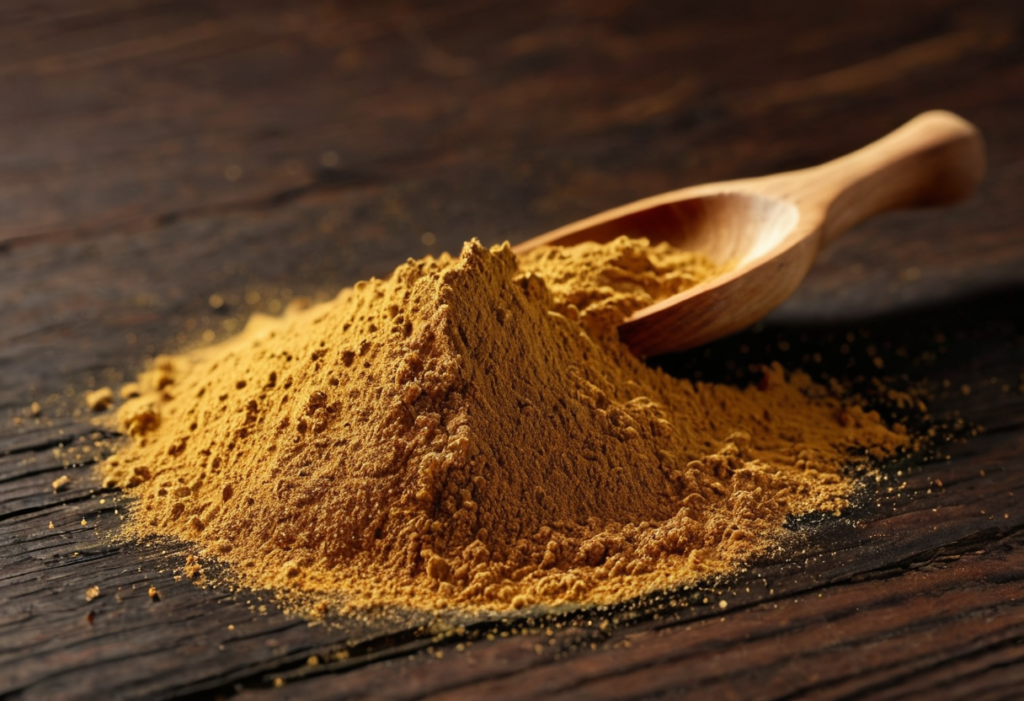
Why it fits: Life Extension Optimized Ashwagandha uses 125 mg Sensoril root-and-leaf extract per vegetarian capsule, standardized to 10% withanolide glycoside conjugates and 32% oligosaccharides. Limitations: Sensoril isn’t milligram-equivalent to KSM-66, and its composition and marker description differ. I don’t count the KSM-66 studies cited above as direct evidence for this bottle.
Honest cons: The twice-daily empty-stomach direction is less convenient. Contains rice flour, maltodextrin, vegetable stearate, and silica. Higher-concentration Sensoril may feel more sedating for some users and is not milligram-equivalent to KSM-66.
Who it’s for: A buyer who intentionally wants Sensoril, understands the extract difference, and has reviewed the product’s suitability.
Who should skip it: Someone seeking root-only KSM-66, avoiding an empty-stomach twice-daily routine, or particularly concerned about sedation.
When something else fits better: Jarrow is easier to align with the cited KSM-66 schedule once its label is confirmed.

Side-by-Side Comparison
| Product | Form | Dose | Best for | Main drawback |
|---|---|---|---|---|
| Sports Research KSM-66 | Vegan root-extract capsule | 600 mg per daily serving; 5% withanolides | Single daily serving of the specified extract | Listing/formula confusion; unsplit daily amount |
| Jarrow Ashwagandha | Vegan root-extract capsule | 300 mg twice daily; verify KSM-66 | Main study schedule comparison | Two capsules; confirm extract on bottle |
| Life Extension Optimized | Vegetarian root-and-leaf capsule | 125 mg Sensoril twice daily | Deliberate alternative extract choice | Not equivalent to KSM-66; possible sedation |
FAQ
What are the liver, thyroid, and medicine concerns?
NCCIH notes rare liver-injury reports, cautions against use with thyroid or autoimmune disorders, and describes interactions with sedatives, anticonvulsants, thyroid, diabetes, blood-pressure, and immune-suppressing medicines. Pregnancy, breastfeeding, and approaching surgery are also reasons to avoid starting. Source: NCCIH, Ashwagandha, https://www.nccih.nih.gov/health/ashwagandha.
What symptoms should make me stop and seek care?
Stop and seek medical care for yellowing skin or eyes, dark urine, severe itching, or persistent upper-abdominal symptoms. The supplied NIH LiverTox reference also advises avoidance in cirrhosis or advanced chronic liver disease: https://www.ncbi.nlm.nih.gov/books/NBK548536/.
Do I need to cycle it or keep taking it indefinitely?
There isn’t an established mandatory cycling schedule in the supplied evidence. NCCIH notes that short-term use up to about three months may be safe for some people, while long-term safety is unclear. If a clinician agrees to a trial, an eight-to-twelve-week reassessment is more grounded than automatic refills.
Is Sensoril stronger because the percentage is higher?
Not necessarily. Sensoril’s root-and-leaf composition and withanolide-glycoside measure differ from the KSM-66 label description.
Our Take
Honestly, a clearer label doesn’t erase liver, thyroid, or medicine concerns, and improving the daily sources of stress may be the better investment.