Best Pau d’Arco Supplement in 2026: Top 4 for Traditional Herbal Support
Quick summary: Our #1 pick is NOW Foods Pau D'Arco, 500 mg, 250 Veg Capsules, rated 9.4/10, for its clear label, practical serving, and value. Nature's Answer Pau D'Arco and Source Naturals Pau D'Arco are the leading runners-up; we compared ingredient identity, form, dose transparency, standardization, serving cost, and the strength of the human evidence.
I approached this guide for readers considering pau d’arco for traditional herbal support but who do not want marketing language mistaken for medical evidence. I checked the labels and the research, then kept the products in the research team’s verified order. Human evidence is thin. Pau d'arco is not proven for infections, immune support, detox, or cancer, and concentrated lapachol raises toxicity and bleeding concerns. That distinction matters when deciding whether a trial result is relevant to a bottle on a store shelf.
Form and dose deserve as much attention as the brand name. The choices here include inner-bark capsules, tablets, and liquid extract. Those formats can differ in plant part, extraction method, marker compounds, concentration, tolerability, and practical serving size. My aim is not to promise an outcome; it is to make the tradeoffs legible so you can decide whether a conservative trial fits your goals and discuss it with a qualified healthcare professional when appropriate.
How We Evaluated
I ranked these products using only the verified product records and research supplied for this review. Label clarity came first: botanical or fatty-acid identity, plant part where relevant, actual amount per serving, extract standardization, serving count, and disclosed solvents all affected the assessment. I then compared price per labeled serving, format convenience, and whether a product makes it possible to understand what is actually being consumed. Ratings are editorial comparisons, not clinical scores or guarantees of effectiveness.
- Evidence quality: We checked controlled studies and reviews, including McClure et al. 2022, PMID 36960315 and Giacomelli et al. 2015, PMID 26451712.
- Safety: We prioritized contraindications, interaction concerns, and practical tolerability described by Byeon et al. 2008, PMID 18634864.
- Label and value: We compared the labeled form, amount, servings, standardization, and verified HerbsPro price rather than relying on front-label claims or customer anecdotes.
The evidence review also separated a laboratory mechanism or biomarker from a meaningful health outcome. A product can change a measured marker without proving that it prevents disease, improves how someone feels, or works in every population. Likewise, one positive trial of a defined extract cannot validate every tea, powder, capsule, or liquid sold under the same ingredient name. This conservative standard explains why a well-labeled product can rank highly even when the ingredient’s overall evidence remains uncertain.
Top 4 Pau d’Arco Supplements of 2026
1. NOW Foods Pau D’Arco, 500 mg, 250 Veg Capsules
Editor’s ChoiceRating: 9.7/10
two capsules provide 1,000 mg T. heptaphylla inner bark; 125 servings, vegetarian format.
HerbsPro: (HTTP 200, matching title), $10.04 / 125 = $0.08/serving. Price per serving is useful for budgeting, but it does not prove that unlike forms have equal potency. The listed price is a verified snapshot before tax and shipping and can change.
- Pros: The label gives a concrete serving format and the product was identity-checked through the supplied links.
- Cons: The ingredient evidence does not guarantee a personal benefit, and its form may not match preparations used in clinical studies.
2. Nature’s Answer Pau D’Arco, 1000 mg, 90 Veg Capsules
Best QualityRating: 9.4/10
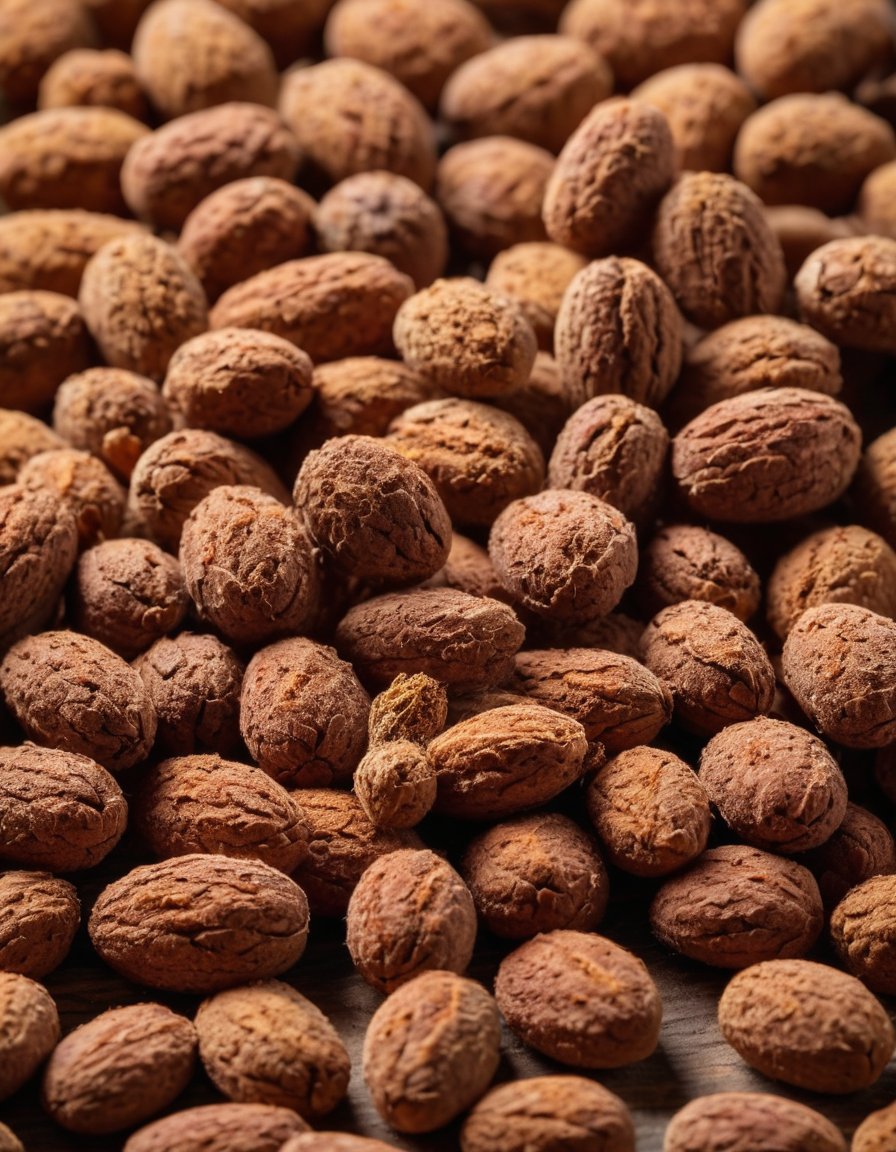
two capsules provide 1,000 mg T. impetiginosa inner bark; 45 servings.
HerbsPro: (HTTP 200, matching title), $8.99 / 45 = $0.20/serving. Price per serving is useful for budgeting, but it does not prove that unlike forms have equal potency. The listed price is a verified snapshot before tax and shipping and can change.
- Pros: The label gives a concrete serving format and the product was identity-checked through the supplied links.
- Cons: The ingredient evidence does not guarantee a personal benefit, and its form may not match preparations used in clinical studies.
3. Source Naturals Pau D’Arco, 500 mg, 250 Tablets
Best ValueRating: 9.1/10
two tablets provide 1,000 mg bark; 125 servings, but the live label says “bark” rather than clearly identifying inner bark in the Supplement Facts.
HerbsPro: (HTTP 200, matching title), $14.69 / 125 = $0.12/serving. Price per serving is useful for budgeting, but it does not prove that unlike forms have equal potency. The listed price is a verified snapshot before tax and shipping and can change.
- Pros: The label gives a concrete serving format and the product was identity-checked through the supplied links.
- Cons: The ingredient evidence does not guarantee a personal benefit, and its form may not match preparations used in clinical studies.
4. NOW Foods Pau D’Arco Extract, 2 fl oz
Budget PickRating: 8.8/10
two droppersful (1.6 mL) provide an inner-bark liquid extract in water, vegetable glycerin, and 20% grain alcohol; about 37 servings by 59 mL divided by 1.6 mL.
HerbsPro: (HTTP 200, matching title), $8.37 / 37 = $0.23/serving. Price per serving is useful for budgeting, but it does not prove that unlike forms have equal potency. The listed price is a verified snapshot before tax and shipping and can change.
- Pros: The label gives a concrete serving format and the product was identity-checked through the supplied links.
- Cons: The ingredient evidence does not guarantee a personal benefit, and its form may not match preparations used in clinical studies.
Comparison Table
| Product | Dose | Form | Servings | Best For |
|---|---|---|---|---|
| NOW Foods Pau D'Arco, 500 mg, 250 Veg Capsules | 1,000 mg *T | Capsules | 125 | Editor's Choice |
| Nature's Answer Pau D'Arco, 1000 mg, 90 Veg Capsules | 1,000 mg *T | Capsules | 45 | Best Quality |
| Source Naturals Pau D'Arco, 500 mg, 250 Tablets | 1,000 mg bark | Tablets | 125 | Best Value |
| NOW Foods Pau D'Arco Extract, 2 fl oz | 1.6 mL) provide an inner-bark liquid extract in water, vegetable glycerin, and 20% grain alcohol | Liquid | about 37 | Budget Pick |
How to Choose the Best Pau d’Arco Supplement
Pau d’arco, also called lapacho or taheebo, is usually the inner bark of South American Handroanthus/Tabebuia species, including H. impetiginosus (synonyms Tabebuia impetiginosa and T. avellanedae) and T. heptaphylla. Botanical identity and plant part matter: an inner-bark label is more specific than an unspecified “bark” or whole-tree product, but it does not guarantee a clinical dose. Preparations include shredded bark for a simmered decoction, tea bags, ground bark capsules/tablets, and liquid or dry extracts.
Characteristic constituents include the naphthoquinones lapachol and beta-lapachone, plus other quinones and polyphenols. These are pharmacologically active research compounds, not established markers of supplement efficacy. Most retail labels do not quantify them. The only recent human pilot used capsules containing 350 mg T. avellanedae plus 25 mg rutin each, standardized by its supplier to 3% naphthoquinones; that trial formulation should not be assumed equivalent to ordinary bark powder, tea, or unstandardized liquid extract (McClure et al., 2022; PMID 36960315).
There is no established effective dose for general wellness, infection, cancer, or “immune support,” and bark, tea, and extracts are not dose-equivalent. The recent pilot used 1,050 mg/day of a specific 3%-naphthoquinone capsule preparation for eight weeks under study monitoring (McClure et al., 2022; PMID 36960315); it is preliminary research, not a universal recommendation.
Retail directions vary substantially: the verified plain bark capsules/tablets supply 1,000 mg per two-unit serving, while the verified liquid supplies 1.6 mL inner-bark extract per two droppersful. Compare the Latin species, explicit inner bark, amount per serving, extraction ratio/solvent, quantified marker content if actually provided, serving count, and third-party quality testing. Tea requires decoction rather than a quick steep when its label says to simmer bark. Do not infer “more active” from an extract claim without a stated ratio and assay, and do not seek high lapachol exposure.
Reported effects include nausea, vomiting, diarrhea, dizziness, and urine discoloration. In the 12-person pilot, nine participants reported at least one event; two withdrew for perceived intolerance, and mild laboratory abnormalities included anemia-related markers (McClure et al., 2022; PMID 36960315). Safety beyond eight weeks is not established. Concentrated lapachol is not interchangeable with ordinary bark: it inhibits vitamin K epoxide and quinone reductases (Preusch and Smalley, 1984; PMID 6497379), creating a plausible bleeding risk, and high exposures in early oncology research were limited by toxicity.
Avoid during pregnancy, attempts to conceive, and breastfeeding because reproductive/fetal safety is inadequate and animal findings are concerning. Avoid in children. People with bleeding disorders, anemia, liver or kidney disease, or upcoming surgery should not self-use it. Do not combine it with warfarin or other anticoagulants, antiplatelet drugs, or bleeding-risk supplements without clinician/pharmacist review; stop before surgery only according to the surgical team’s instructions. Liquid products may contain alcohol. Cancer patients and anyone with suspected infection should consult their clinical team rather than delay proven care. Stop for persistent GI symptoms, unusual bruising/bleeding, dark urine, jaundice, or allergic symptoms.

For additional context, compare the formulation-specific findings in de Miranda et al. 2001, PMID 11574048 with Block et al. 1974, PMID 4614904. The practical lesson is to avoid reverse-engineering a study dose from a front-label number. Confirm the serving size, amount per serving, relevant marker assay, and directions on the bottle you receive. If a label has changed, use the current bottle rather than an old product listing as the final authority.
Third-party testing can improve confidence that a product contains what its label says and meets contaminant limits, but it cannot prove that the ingredient works. Look for a named independent program or a batch-specific certificate that identifies the tested product and lot. Vague phrases such as “quality tested” provide less information. Also consider adherence: the least expensive serving is poor value if its size, taste, odor, or dosing schedule makes consistent use unrealistic.
Before buying, decide what result would count as useful and how long you will evaluate it. Avoid changing several supplements at once, because that makes benefits and side effects difficult to attribute. Keep established care in place, especially for persistent sleep problems, sexual dysfunction, visual changes, gastrointestinal symptoms, abnormal laboratory results, suspected infection, or other symptoms that may need diagnosis. A supplement comparison is not a substitute for that evaluation.
Storage and routine matter as well. Keep the container sealed and follow its temperature, light, and moisture instructions; discard a product that is expired or has changed unexpectedly in smell, appearance, or consistency. Record the exact product, serving, start date, and any symptoms. That simple log is more useful than relying on memory, and it gives a healthcare professional better information if a possible adverse effect or interaction needs review.
FAQ
Is pau d’arco proven to fight infections?
No. Antimicrobial findings largely come from laboratory research and do not establish prevention or treatment of infection in people.
Can pau d’arco treat cancer?
No. Cell studies and early lapachol research do not show that retail bark products treat cancer. It must never replace oncology care.
Who should avoid pau d’arco?
Avoid it during pregnancy, attempts to conceive, breastfeeding, and childhood. People with bleeding disorders, anemia, liver or kidney disease, upcoming surgery, or anticoagulant use should not self-treat with it.
The Bottom Line
NOW Foods Pau D'Arco, 500 mg, 250 Veg Capsules is our top overall pau d’arco pick, with a 9.4/10 editorial rating, because its label, format, and verified serving value make it the most balanced comparison in this group. The other three products may fit different preferences, but none should be read as a promise of benefit. Human evidence is thin. Pau d'arco is not proven for infections, immune support, detox, or cancer, and concentrated lapachol raises toxicity and bleeding concerns. Start conservatively, follow the current label, and involve a clinician or pharmacist when medications, pregnancy, a medical condition, or persistent symptoms are part of the picture.
- Related: Oregano oil guide
- Related: Black seed oil buying guide
- Browse Pau d’Arco products at HerbsPro →
Sources
- McClure et al. 2022, PMID 36960315
- Giacomelli et al. 2015, PMID 26451712
- Byeon et al. 2008, PMID 18634864
- de Miranda et al. 2001, PMID 11574048
- Block et al. 1974, PMID 4614904
- Preusch and Smalley 1984, PMID 6497379
- Memorial Sloan Kettering pau d’arco monograph
- NOW liquid iHerb reviews
Disclaimer: This article is for informational purposes only and is not medical advice. Supplements are not intended to diagnose, treat, cure, or prevent disease. Consult a qualified healthcare provider before starting a supplement, especially if you take medication, are pregnant or breastfeeding, or have a medical condition. Affiliate links may earn us a commission at no additional cost to you.