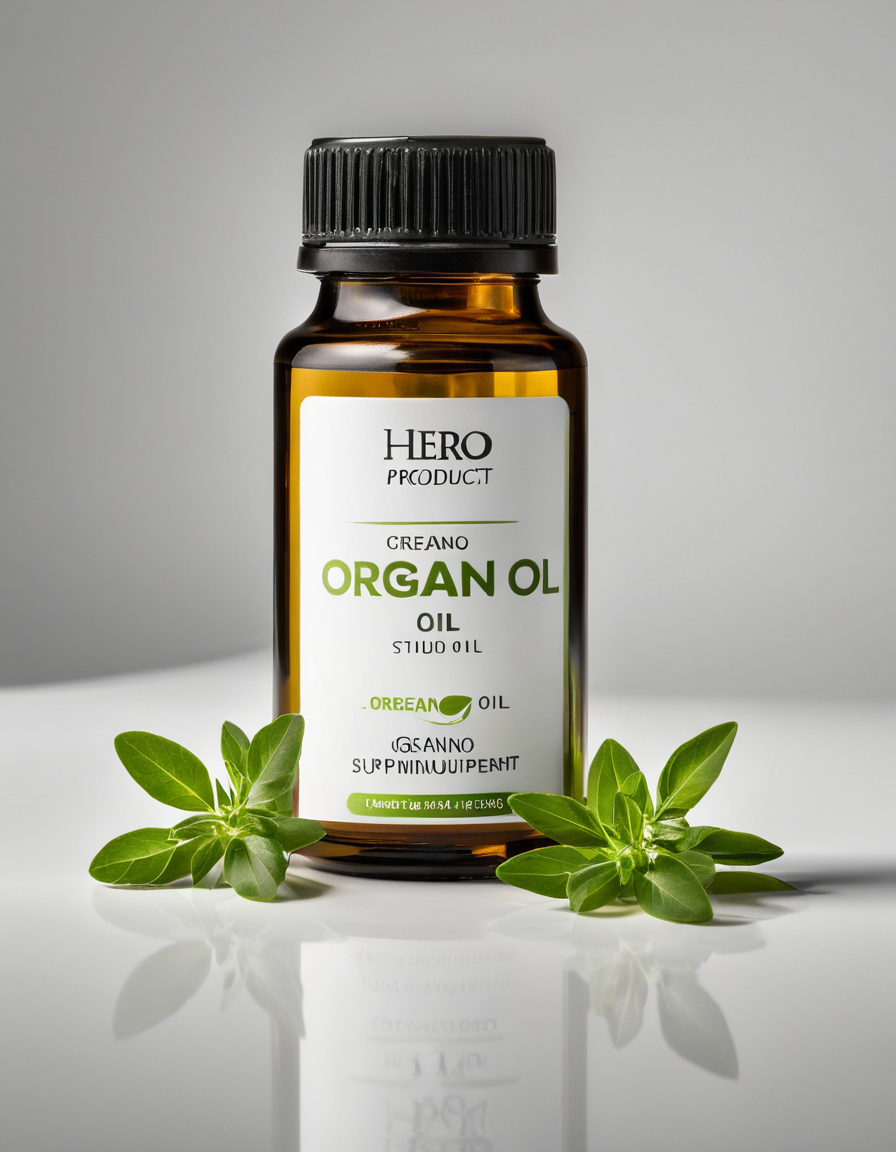
Oregano Oil: The Complete Guide (2026)
TL;DR (30-second answer): Oregano oil gets its reputation from carvacrol and thymol, two compounds with genuinely strong antimicrobial and antioxidant activity — in test tubes and food preservation. The honest gap: human clinical evidence for internal use is thin, so treat it as a well-studied traditional remedy, not a proven treatment for infections. Buy a product that lists its strength, prefers North American Herb & Spice’s Organol or Solgar’s softgels for convenient dosing, and never use undiluted essential oil on skin. If you’re fighting a real infection, see a doctor — oregano oil isn’t that.
Updated: August · Evidence-based review · Product picks from HerbsPro
What We Looked For in an Oregano Oil
We reviewed every oregano oil product at HerbsPro against five criteria:
- Active compound content. Carvacrol is the main player (with thymol close behind). A quality product either lists a carvacrol percentage or uses a recognizable standardized formula. Vague “high potency” claims counted against products.
- Strength and form clarity. “Regular strength” blends (oregano oil in a carrier like olive oil) are very different from pure essential oil. We checked that labels make the distinction obvious, because dosing mistakes are how people get burned — literally.
- Sourcing and distillation. Mediterranean oregano (Origanum vulgare) is the classic source. Organic or wildcrafted claims and named origins got credit.
- Third-party testing. Essential oils are a favorite target for adulteration and dilution, so independent testing for purity matters as much here as anywhere in the supplement aisle.
- Form and value. Liquid droppers vs. softgels, bottle size, and price per dose.
For the science we anchored on two peer-reviewed sources: “Carvacrol and human health: A comprehensive review” (Phytotherapy Research, 2018; PMID 29744941) and “Oregano Essential Oil as an Antimicrobial and Antioxidant Additive in Food Products” (PubMed, 2016; PMID 25763467). Both map what the lab data does and doesn’t show — and that distinction drives everything below.
What Is Oregano Oil, and What Does the Evidence Say?
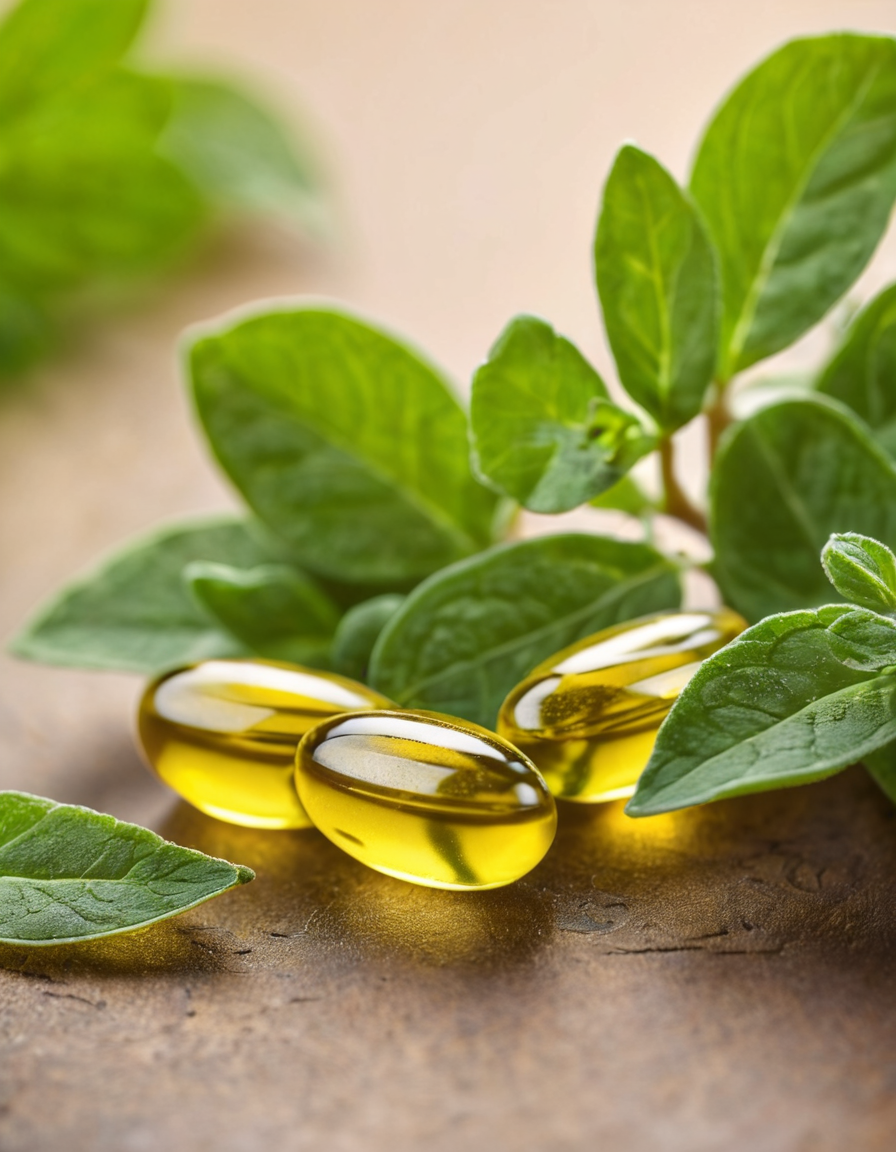
Oregano oil is the steam-distilled essential oil of Origanum vulgare — the same oregano family you cook with, concentrated hundreds of times over. The two compounds that matter are carvacrol and thymol, phenolic compounds that give the oil its characteristic hot, herbaceous smell and most of its biological activity.
Here.s the evidence, graded honestly:
- Antimicrobial (lab data): strong. Both reviews document broad-spectrum antibacterial and antifungal activity for oregano oil and carvacrol — against foodborne bacteria, skin pathogens, and fungi. This is real, reproducible science, but nearly all of it is in vitro (test tubes and petri dishes) or food-preservation trials.
- Food preservation: the one proven real-world use. Oregano oil is an effective, natural food additive that slows spoilage — the food industry uses it for exactly this. It’s the clearest translation of the lab data into practice.
- Internal use in humans: limited. Only a handful of small human trials have tested oral oregano oil, mostly for gut-related complaints. Results are suggestive at best, and the reviews explicitly call for larger, better-designed trials. There is no reliable human evidence that oregano oil cures colds, kills internal infections, or replaces antibiotics.
- Antioxidant and anti-inflammatory (lab data): promising, unproven in humans. Carvacrol shows antioxidant and anti-inflammatory activity in cell and animal studies. Whether that translates to meaningful effects at supplement doses in people is unknown.
- Topical use: traditional, low-quality evidence. Diluted oregano oil has a long folk history for skin and nail complaints. Some small studies exist; evidence quality is low.
The one-line summary: oregano oil is a legitimately powerful antimicrobial in the lab and in food, with a much thinner evidence base for the pill-shaped claims you’ll see in marketing. Buy it for what it demonstrably is — a concentrated, traditional botanical — not for promises of curing infections.
How to Choose an Oregano Oil
Four decisions separate a sensible purchase from a regret:
- Know the strength you’re buying. There are two very different products on the shelf: supplement blends (oregano oil mixed into a carrier like olive oil — “regular strength,” gentle enough for drops under the tongue or in food) and pure essential oils (concentrated, meant for aromatherapy or heavy dilution). HerbsPro’s oregano section makes the distinction visible in each product title — use it. Browse the full oregano oil supplement category at HerbsPro to compare.
- Check the carvacrol story. Quality oils list a carvacrol percentage or a standardized formula. Higher carvacrol isn’t automatically “better” — it also means more irritation risk. What matters is that the number is honest and consistent.
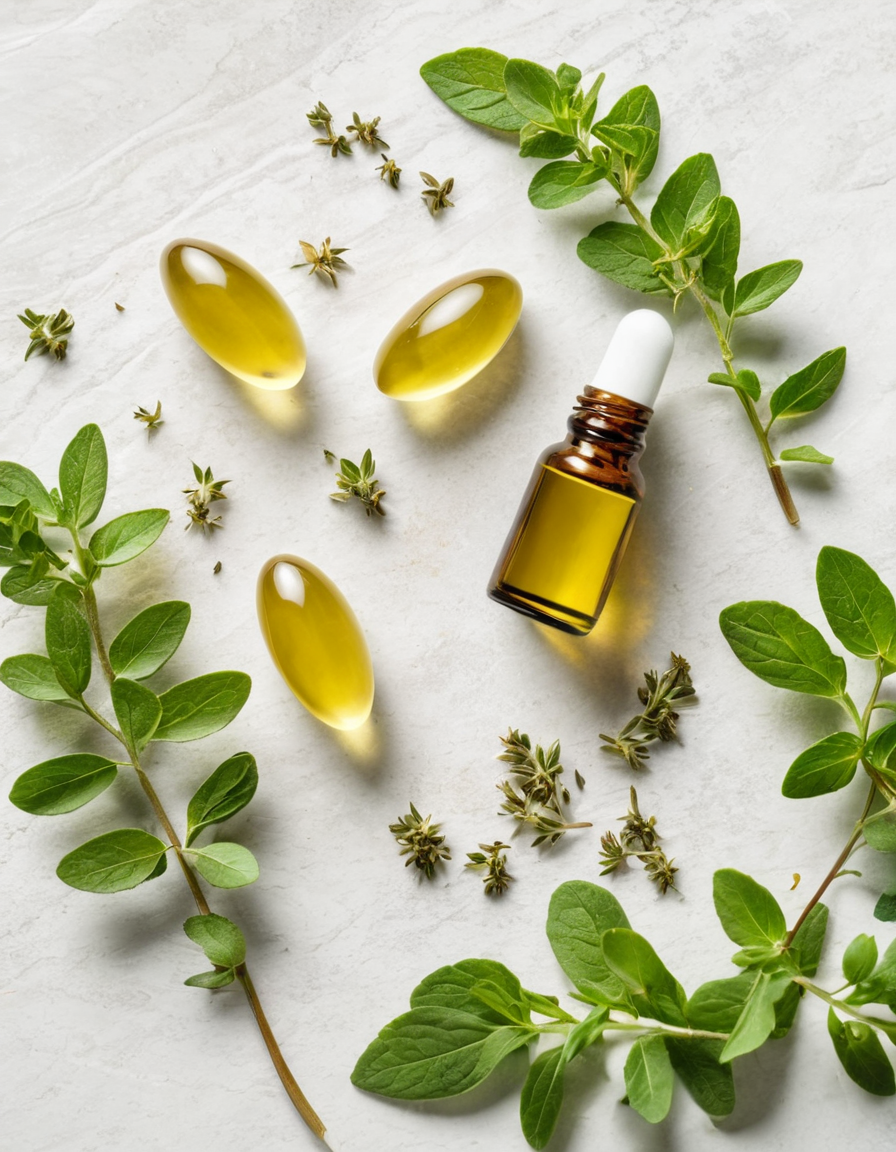
- Pick the form that fits how you’ll use it. Liquid droppers let you dose flexibly (and use the oil topically in a pinch); softgels give a fixed, taste-free dose. For daily internal use, most people stick with softgels or a mild liquid blend.
- Demand third-party testing. Oregano oil is frequently adulterated or diluted before it reaches retail. A brand that can show purity testing is worth the premium.
Top Oregano Oil Picks at HerbsPro
1. Oil of Oregano (Organol — Regular Strength), 0.45 oz — North American Herb & Spice Best Overall
Rating: 9.4/10 — Best Overall
North American Herb & Spice essentially built the modern US oregano oil market around its Organol line, and the regular-strength formula remains the benchmark. It’s a food-friendly oregano oil blend in a dropper bottle — strong enough to be meaningful, mild enough for daily drops in water or food. The brand’s entire catalog is oregano-focused, which shows in the sourcing and quality control. If you buy one oregano product, this is the one.
Pros
- Category-defining brand with real oregano expertise
- Regular strength: flexible for drops, food, or diluted topical use
- Dropper bottle for precise dosing
- Long shelf life with proper storage
Cons
- Small 0.45 oz bottle — more frequent reorders
- Liquid form means you taste it
- Premium pricing versus generic brands
2. Wild Oregano Oil Softgels, 60 Softgels — Solgar Best Softgels
Rating: 9.3/10 — Best Softgels
Solgar is one of the most established names in American supplements, and its wild oregano oil softgels solve the biggest practical problem with oregano oil: the taste. Each softgel delivers a metered dose of oregano oil with none of the burn on the tongue. It’s the right pick for daily internal use, people who travel, and anyone who’s tried liquid oregano and quit.
Pros
- No taste or mouth burn — huge for compliance
- Fixed dose, no measuring
- Trusted heritage brand with rigorous manufacturing
- Travel-friendly format
Cons
- Costs more per dose than liquid
- Not flexible for topical or culinary use
- Softgels are large for some people
3. Organic Oregano Oil, 1 oz — Now Foods Most Concentrated
Rating: 8.9/10 — Most Concentrated
Now Foods’ organic oregano oil is USDA-certified organic and the most concentrated product in our picks — a true essential oil rather than a diluted blend. That’s a feature if you know what you’re doing (aromatherapy, heavy dilution for topical blends) and a warning label if you don’t: it should never be used undiluted on skin, and internal use means drops, not teaspoons. The 1 oz bottle is generous for an essential oil.
Pros
- USDA-certified organic
- Highest concentration per drop — a little goes a long way
- Budget-friendly for an essential oil
- Flexible for culinary or aromatic uses
Cons
- Essential-oil strength — misuse can irritate skin and stomach
- Not a convenient supplement format for daily internal use
- Dosing takes care and attention
4. Oil of Oregano, 1 fl oz — Planetary Herbals Budget Pick
Rating: 8.8/10 — Budget Pick
Planetary Herbals, the brand behind herbalist Michael Tierra’s formulas, offers a liquid oregano oil blend at a friendlier price point than the specialty names. The 1 fl oz dropper bottle is a sensible middle ground — bigger than the tiny premium bottles, gentler than pure essential oil — and the brand has decades of herbal-formula experience. It’s the pick for a first oregano oil purchase on a budget.
Pros
- Best value per ounce among our picks
- Blended strength — more forgiving than pure essential oil
- Respected herbal-formula brand
- Full ounce of product
Cons
- Less oregano-specific pedigree than NAHS
- Carvacrol content isn’t prominently standardized on the label
- Liquid taste applies here too
Comparison Table: Oregano Oil Picks
| Product | Form | Size | Strength Type | Best For | Price Tier |
|---|---|---|---|---|---|
| NAHS Oil of Oregano (Organol) | Liquid dropper | 0.45 oz | Regular strength blend | Overall best, flexible use | $$$ |
| Solgar Wild Oregano Oil | Softgels | 60 softgels | Metered supplement dose | Taste-free daily use | $$ |
| Now Foods Organic Oregano Oil | Essential oil | 1 oz | Concentrated essential oil | Dilution-savvy users | $$ |
| Planetary Herbals Oil of Oregano | Liquid dropper | 1 fl oz | Blend | Budget first purchase | $ |
Price tiers are per dose: $ = under $0.20/dose, $$ = $0.20–0.50/dose, $$$ = over $0.50/dose. Check current prices at HerbsPro — sales are frequent.
How to Use Oregano Oil Safely
Oregano oil is potent, and most problems with it come from dosing mistakes:
- Never apply pure essential oil to skin undiluted. Dilute with a carrier oil (olive, coconut, jojoba) at roughly 3–5 drops of oregano oil per tablespoon of carrier. Undiluted application can cause chemical burns and contact dermatitis.
- Internal use: follow the label, start small. One drop in water or food is a reasonable starting point for liquid blends; softgels remove the guesswork. The oil can irritate the mouth, throat, and stomach — taking it with food helps.
- Don’t go long-term on high doses. There’s no established safe long-term dose. Cycle usage or keep to label servings.
- Pregnancy and breastfeeding: avoid. Oregano has traditional use as a uterine stimulant, and safety data is lacking. Skip it while pregnant or nursing.
- Space it away from iron. Phenolic compounds like carvacrol can interfere with non-heme iron absorption — take oregano oil apart from iron supplements or iron-rich meals.
- Mint-family allergies. Oregano is in the mint family (Lamiaceae); if you react to basil, thyme, or mint, introduce oregano oil cautiously.
- Infections are a doctor’s job. If you suspect a bacterial or fungal infection, see a clinician. Oregano oil is not a proven treatment for internal infections.
FAQ
How many drops of oregano oil should I take?
It depends entirely on the product’s strength. For a regular-strength blend, starting with 1 drop in water or food once a day is sensible; for softgels, follow the label (usually 1–2 per day). Pure essential oil should generally not be taken internally without professional guidance — it’s the difference between a supplement and a concentrate.
What’s the difference between oregano oil and oregano essential oil?
Supplement “oregano oil” is usually a blend — oregano oil mixed with a carrier like olive oil, mild enough for drops under the tongue or in food. “Oregano essential oil” is the pure steam-distilled concentrate: far stronger, meant for aromatherapy or heavy dilution, and much easier to misuse. Read the label twice and treat the two products as different tools.
Can oregano oil treat a cold or an infection?
There’s no reliable human evidence that oregano oil cures colds, sinus infections, or internal infections. The strong antimicrobial data is in vitro and in food preservation — impressive, but it doesn’t transfer to a supplement pill fighting an infection inside your body. For a real infection, see a doctor; oregano oil is a botanical remedy, not a treatment.
The Bottom Line
Oregano oil is one of the most biologically active botanicals in the supplement aisle — genuinely antimicrobial and antioxidant in the lab, a proven food preservative in practice, and a traditional remedy with a thin but interesting human evidence base. Buy it with your eyes open: a well-sourced, clearly labeled product from North American Herb & Spice or Solgar, used according to its strength, is a fine addition to a natural-health routine. Just don’t ask it to be an antibiotic.
If your goal is everyday immune support, oregano oil works best as part of a broader routine rather than a solo act — our best elderberry supplements and best vitamin C for immunity guides cover the two ingredients with the strongest human evidence in that category.
Sources
- Sharifi-Rad M, et al. “Carvacrol and human health: A comprehensive review.” Phytotherapy Research, 2018. PubMed: 29744941
- “Oregano Essential Oil as an Antimicrobial and Antioxidant Additive in Food Products.” PubMed, 2016. PubMed: 25763467
- NIH Office of Dietary Supplements. “Dietary Supplements: What You Need to Know.” ods.od.nih.gov
Disclaimer
This article is for informational purposes only and is not medical advice. Dietary supplements are not intended to diagnose, treat, cure, or prevent any disease. Always consult a qualified healthcare provider before starting any supplement — especially if you are pregnant, nursing, taking medication, or managing a health condition. Product links are affiliate links; SuppTop may earn a commission at no extra cost to you, which never affects our recommendations.