Best Ginger Supplement in 2026: Top 4 for Nausea and Digestion Support
Quick summary: My #1 pick is New Chapter Concentrated Superfood Ginger, rated 9.1/10. Its one-capsule serving combines two clearly identified ginger extracts, making it the most differentiated formula here, although the label does not quantify gingerols. The verified price was approximately $17.97 on September 4, 2026.
Ginger has a long history of use for nausea and digestive discomfort, and human research suggests it may offer modest nausea relief in certain situations. Still, the evidence varies by the cause of nausea, study design, dose, and preparation. A clinical trial involving standardized ginger-root powder does not automatically prove that every capsule, extract, tea, or candy will produce the same result. I kept that distinction in mind throughout these rankings.
I compared the four products using their disclosed form, dose, concentration information, capsule count, and observed value. Prices are verified snapshots from September 4, 2026 and can change. Retail listings may also be revised, so the label on the bottle you receive is the final authority for ingredients, serving size, warnings, and directions.
How We Evaluated
- Chemotherapy-related nausea trial: PMID 37699474 reports a multicenter, double-blind randomized trial of a standardized ginger-root powder regimen for chemotherapy-induced nausea and vomiting. It supports studying ginger in this setting, but it does not establish that all retail formulas are interchangeable.
- Broad review of randomized evidence: PMID 31935866 reviewed 109 randomized trials. The evidence covered many outcomes and preparations, but substantial heterogeneity limits simple conclusions about one universally effective dose or form.
- Setting-dependent anti-nausea evidence: PMID 36501010 systematically reviewed randomized trials of ginger for chemotherapy-induced nausea and vomiting. Results depended on the setting and should not be generalized to every kind of nausea.
I did not treat customer anecdotes, brand familiarity, or an unsupported third-party-testing claim as proof that a supplement works. Product details help assess transparency and practical value, while effectiveness claims need to remain tied to the human evidence and its limitations.
Top 4 Ginger Supplements of 2026
1. New Chapter Concentrated Superfood Ginger
EDITOR’S CHOICERating: 9.1/10
What you get: One vegan capsule provides 96 mg of aqueous ginger extract plus 54 mg of supercritical ginger extract. Each bottle contains 30 vegetarian capsules.
Value and quality context: The approximate observed price was $17.97 on September 4, 2026. That makes it relatively expensive per capsule, but its label gives shoppers a more clearly differentiated extract blend than the whole-root powders in this comparison.
This is my top pick because New Chapter identifies two extraction approaches and fits them into a convenient one-capsule serving. That clarity is useful when powder and extract products otherwise look deceptively similar. The tradeoff is that the label information in the evidence pack does not specify a gingerol percentage, so you still cannot make a precise active-compound comparison. A thoughtful formula and clear extraction details are not a guarantee that it will relieve nausea or digestive symptoms for a particular person.
- Pros: Two named ginger extracts; one-capsule serving; vegan capsule.
- Cons: Gingerols are not quantified; relatively high cost per capsule.
2. Nutricost Ginger Root Extract
BEST VALUE EXTRACTRating: 8.8/10
What you get: One capsule provides 550 mg of a 4:1 ginger-root extract, disclosed as equivalent to 2,200 mg of ginger root. Each bottle contains 240 capsules.
Value and quality context: The approximate observed price was $17.95 on September 4, 2026. With 240 one-capsule servings and a stated 4:1 extraction ratio, it offers the strongest apparent serving value among the concentrated extracts reviewed here.
Nutricost ranks second because its large count, stated extraction ratio, and root-equivalent disclosure make the concentration easier to interpret than an unspecified extract. However, a 2,200 mg root equivalent is not the same as swallowing 2,200 mg of ordinary powder, and it does not reveal the amount of gingerols. The gelatin capsule also rules it out for shoppers seeking a vegetarian product. Its concentration and value are practical strengths, not a guarantee of better nausea relief or digestive support.
- Pros: Clear 4:1 ratio; 240 servings; root-equivalent amount disclosed.
- Cons: Gelatin capsule; no gingerol standardization; no retained HerbsPro listing.
3. NOW Foods Ginger Root
BEST BUDGET WHOLE ROOTRating: 8.4/10
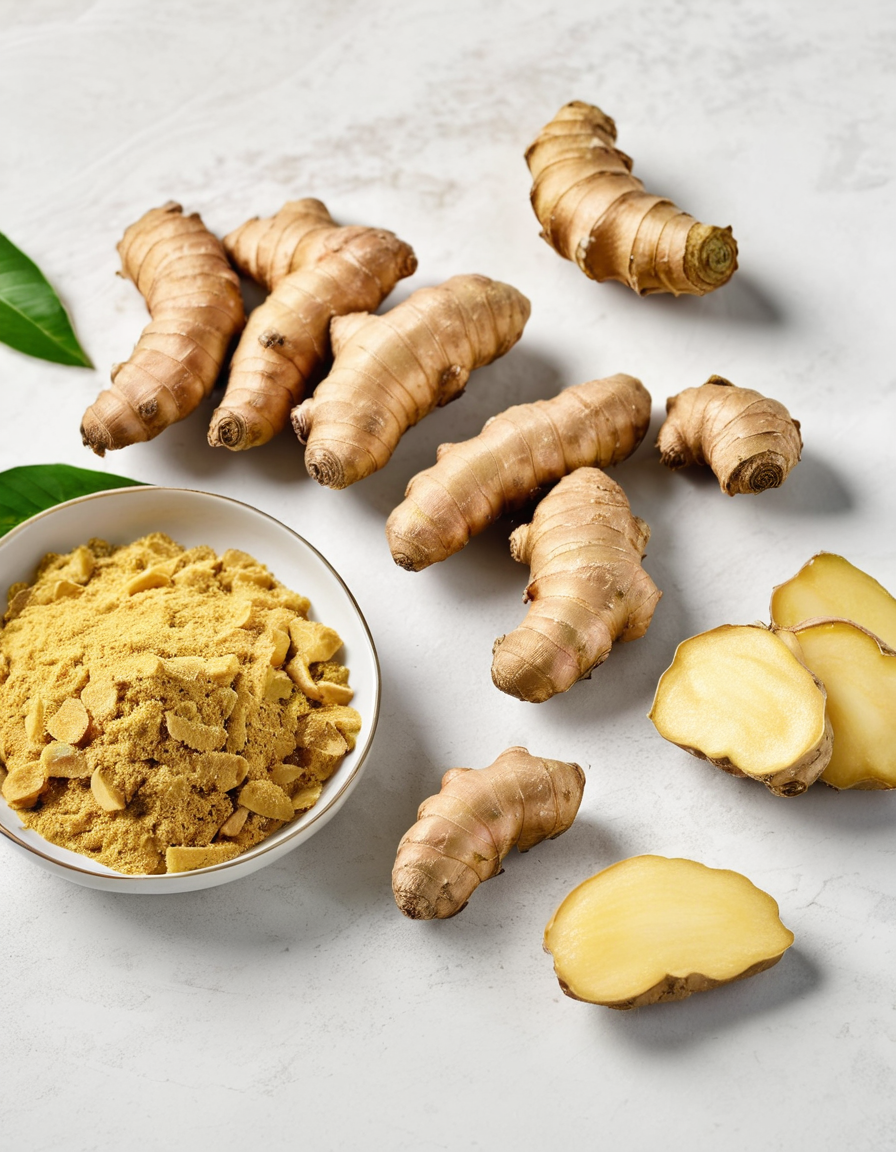
What you get: One vegetarian capsule provides 550 mg of ginger-root powder. Each bottle contains 100 vegetarian capsules.
Value and quality context: The approximate observed price was $7.48 on September 4, 2026. It is the least expensive bottle in this group and provides a straightforward whole-root serving without presenting the powder as a concentrated extract.
This is the most sensible option for someone who specifically wants a simple, inexpensive ginger-root powder rather than an extract. NOW Foods is a widely recognized brand, but brand recognition should not substitute for evidence about a particular outcome. Because the product does not disclose an extraction ratio or standardized gingerol content, its 550 mg serving should not be compared milligram for milligram with concentrated extracts. The accessible price and uncomplicated label are useful qualities, but they do not guarantee effectiveness.
- Pros: Low observed price; simple whole-root formula; vegetarian capsule.
- Cons: Powder rather than extract; no gingerol standardization.
4. Eclectic Herb Ginger
BEST FREEZE-DRIED OPTIONRating: 7.9/10
What you get: One vegetarian capsule provides 395 mg of freeze-dried whole ginger root. Each bottle contains 50 vegetarian capsules.
Value and quality context: The approximate observed price was $17.50 on September 4, 2026. The product stands out for using organic, US-grown, freeze-dried root, but the smaller count and price make it a weaker value than the other whole-root option.
Eclectic Herb earns a place for shoppers who prioritize a freeze-dried, organic whole-root preparation. Its form is meaningfully different from an extract, though “freeze-dried” should not be read as evidence that it is clinically superior. The 395 mg serving is lower than NOW Foods’ 550 mg powder serving, and neither product supplies standardized gingerol information that would permit a more refined comparison. Ingredient sourcing and processing preferences can guide a purchase, but they are not a guarantee of nausea or digestive benefits.
- Pros: Organic US-grown root; freeze-dried whole-root form; vegetarian capsule.
- Cons: Not an extract; lower capsule count; relatively weak value.
Comparison Table
| Product | Form | Dose per serving | Count | Approximate price | Best for |
|---|---|---|---|---|---|
| New Chapter Concentrated Superfood Ginger | Aqueous and supercritical extracts | 96 mg aqueous extract plus 54 mg supercritical extract | 30 veg caps | $17.97 | Clearly differentiated extract blend |
| Nutricost Ginger Root Extract | 4:1 extract | 550 mg extract, equivalent to 2,200 mg root | 240 capsules | $17.95 | Value-focused concentrated extract |
| NOW Foods Ginger Root | Whole-root powder | 550 mg | 100 veg caps | $7.48 | Budget whole-root powder |
| Eclectic Herb Ginger | Freeze-dried whole root | 395 mg | 50 veg caps | $17.50 | Organic freeze-dried root |
How to Choose a Ginger Supplement
Start by deciding whether you want ordinary whole-root powder or a concentrated extract. Powder retains the broader root material and is usually easy to understand, but a capsule containing 550 mg of powder is not equivalent to one containing 550 mg of a 4:1 extract. Extract ratios and stated root equivalents help explain concentration, although they still do not identify the exact gingerol content.
Look for a label that makes the serving size and form unmistakable. “Ginger” alone tells you less than “ginger-root powder,” “4:1 extract,” or separately identified aqueous and supercritical extracts. If two products use different preparations, avoid choosing solely by the larger milligram number. Candy, chews, tea, powder, and concentrated capsules also should not be treated as dose-equivalent. Ginger candy is generally a sugar-bearing food, not a standardized supplement.
Match the product to the evidence with restraint. Human trials suggest ginger may modestly reduce nausea in some circumstances, but study regimens and patient populations differ. Evidence from chemotherapy-related nausea does not prove the same effect for motion sickness, chronic indigestion, pregnancy-related nausea, medication side effects, or an unexplained new symptom. Persistent, severe, or recurrent nausea deserves medical evaluation rather than repeated self-treatment.
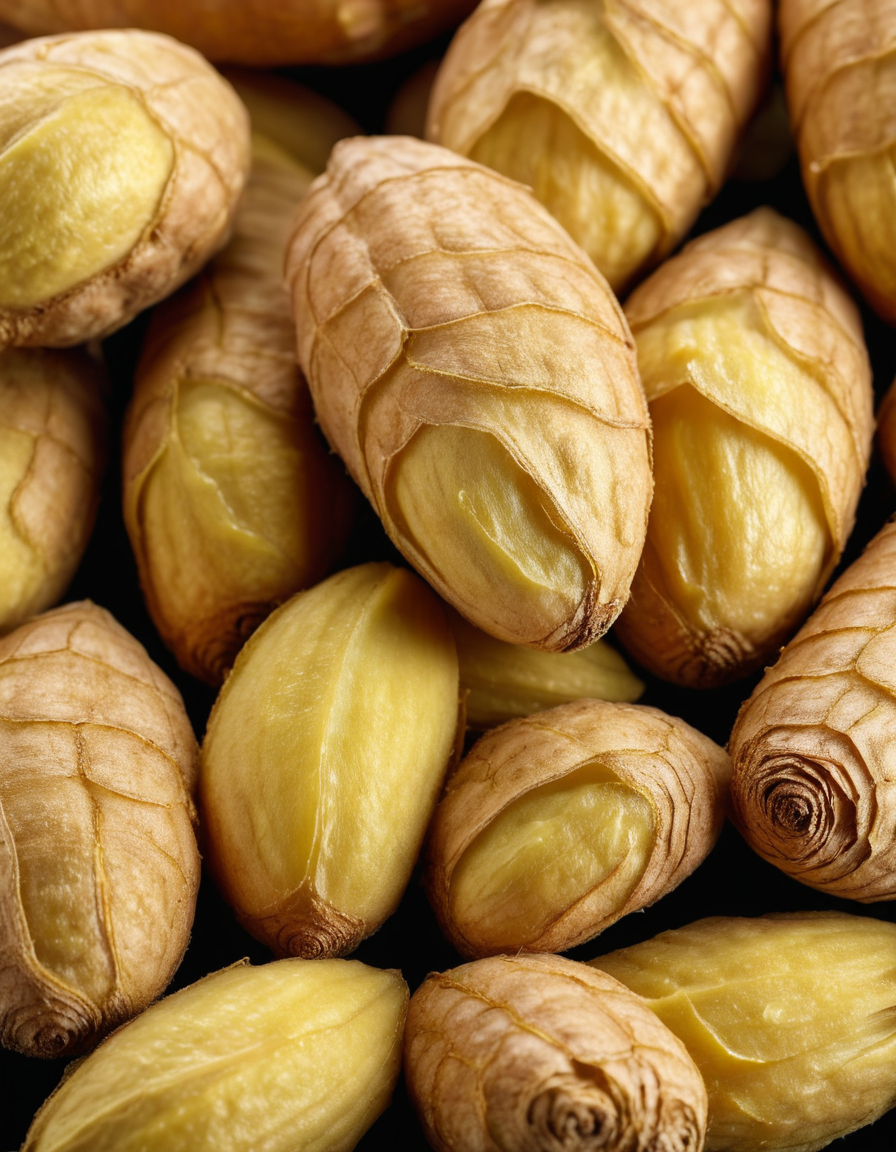
Consider tolerance and convenience before buying a large bottle. Ginger can cause heartburn or gastrointestinal upset, which is especially relevant if reflux is already part of the problem. A one-capsule serving may be easier to maintain, but a 240-count bottle is only good value if the formula suits you. Follow the current product label rather than assuming that more is better.
Finally, review safety with a clinician when your circumstances raise the stakes. Higher supplemental ginger intakes may increase bleeding risk, particularly alongside anticoagulant or antiplatelet medication. Seek professional guidance before surgery, during pregnancy, if you have gallstones, or when using medicines that could interact. Stop and obtain care if symptoms worsen or occur with warning signs such as severe abdominal pain, dehydration, blood, fainting, or unexplained weight loss.
FAQ
Does ginger actually help with nausea?
Human research supports a modest benefit in some settings, but results vary with the cause of nausea, dose, and preparation. Ginger is not a universal antiemetic, and it should not delay medical care for severe, persistent, or unexplained symptoms.
Is ginger extract better than ginger-root powder?
Not necessarily. An extract can deliver concentrated root constituents in a smaller serving, while powder is a simpler whole-root preparation. An extraction ratio improves comparison, but without standardized gingerol information, concentration alone does not prove greater clinical effectiveness.
Can ginger supplements support digestion?
Some people use ginger for digestive discomfort, but “digestion support” is broad and should not be confused with treating an underlying condition. Ginger can also cause heartburn or gastrointestinal upset, so pay attention to how you respond and seek care for ongoing symptoms.
Who should ask a clinician before taking ginger?
Ask a qualified healthcare professional if you use anticoagulant or antiplatelet medication, are preparing for surgery, are pregnant, have gallstones, take potentially interacting medicines, or live with a condition that makes supplement use more complicated.
The Bottom Line
New Chapter Concentrated Superfood Ginger is my #1 pick, rated 9.1/10. Its aqueous and supercritical extracts, vegan capsule, and one-capsule serving provide the clearest overall formula differentiation among these four choices. Nutricost offers better apparent value for a concentrated extract, while NOW Foods and Eclectic Herb serve shoppers who prefer whole-root preparations.
No product here is proven to work for every cause of nausea or digestive discomfort. The clinical evidence concerns specific preparations and settings, and none of these retail listings should be treated as interchangeable with a studied regimen without supporting details. Choose based on form, label clarity, tolerance, safety, and realistic expectations, then confirm the bottle’s current label before use.
Sources
Disclaimer: This article is for informational purposes only and is not medical advice. Supplements are not intended to diagnose, treat, cure, or prevent disease. Consult a qualified healthcare provider before starting a supplement, especially if you take medication, are pregnant or breastfeeding, or have a medical condition. Affiliate links may earn us a commission at no additional cost to you.