Best Echinacea Supplement in 2026: Top 3 for Short-Term Immune Support
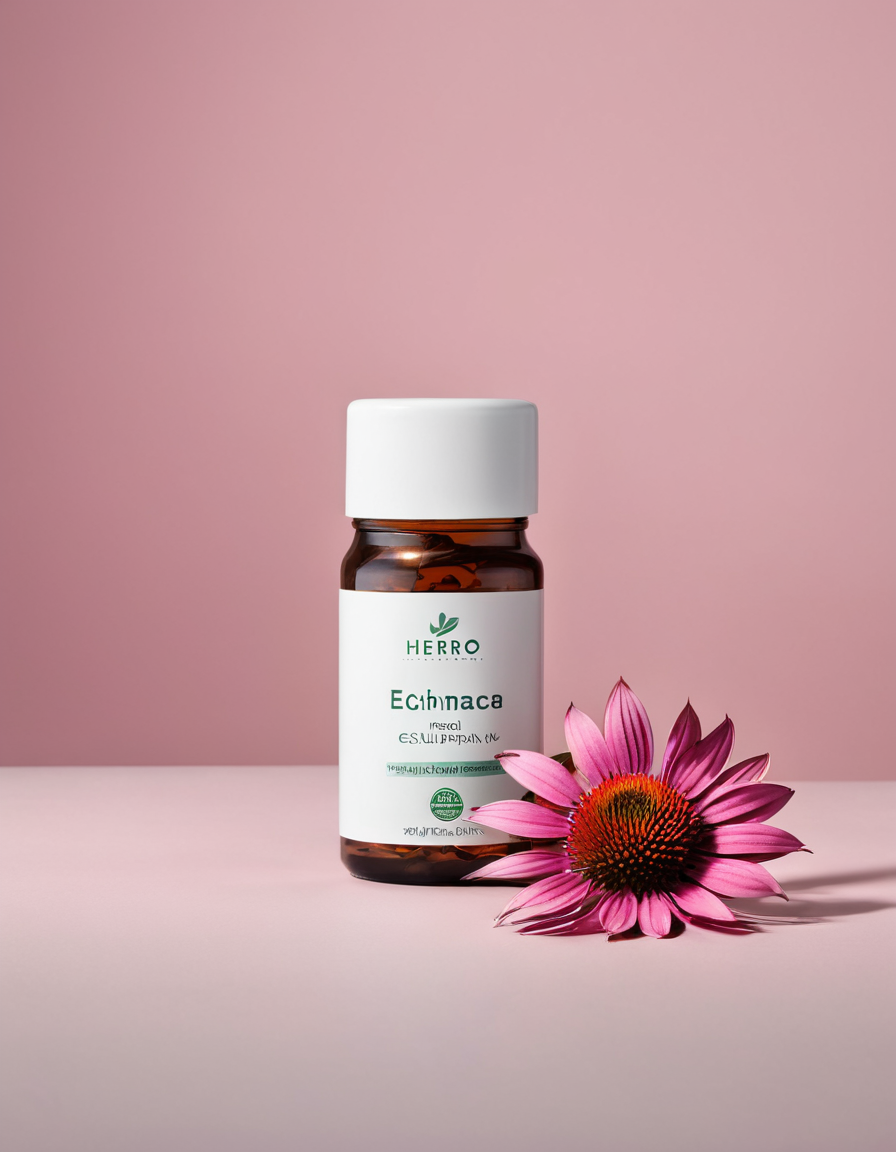
Quick summary: My #1 pick is Herb Pharm Super Echinacea, 1 fl oz, rated 9.1/10. Its compact liquid format, 0.7-mL serving, and aerial-parts-plus-root formula make it a practical option for short-term use at the onset of cold symptoms. Its approximate verified price was $14.39 on September 6, 2026.
Echinacea is not a guaranteed cold remedy, and the research does not support treating every product as interchangeable. Species, plant part, preparation method, dose, and timing can all affect the result. After reviewing the available evidence and the verified retail details, I selected three straightforward options for adults considering short-term use when cold symptoms begin.
I want to distinguish evidence about echinacea preparations from claims about these specific retail products. A study involving one extract does not automatically prove that a different capsule or tincture will work the same way. Product details and prices here are verified snapshots from September 6, 2026, and can change. Always check the current package before buying or taking a supplement. The product label is the final authority for ingredients, serving directions, warnings, and storage.
How We Evaluated
- Cold incidence and duration: PMID 17597571 reported reductions in cold incidence and duration in a meta-analysis, but it pooled substantially different echinacea products.
- Induced-rhinovirus studies: PMID 16678640 found a prevention signal in its meta-analysis, although the result depended on which preparations were included.
- Herbal medicines for cough: PMID 26840418 found heterogeneous evidence, reinforcing that findings from one herbal formulation should not be generalized to every product.
I used these studies to set realistic expectations, then ranked the products by label transparency, suitability for a short course, serving clarity, format, and verified price. I did not treat anecdotes, popularity, retailer ratings, or unsupported third-party-testing claims as proof that a product prevents or shortens a cold.
Top 3 Echinacea Supplements of 2026
1. Herb Pharm Super Echinacea, 1 fl oz
EDITOR’S CHOICERating: 9.1/10
What you get: A 1-fl-oz liquid extract with a standard serving of 0.7 mL, described as one full squeeze of the dropper bulb. The formula combines echinacea aerial parts and root rather than relying on only one plant part.
Value and quality context: The approximate observed price was $14.39 on September 6, 2026. That is a lower upfront cost than the larger Herb Pharm bottle and a reasonable fit for someone who wants a compact bottle for occasional, short-course use.
This takes first place because its size and liquid serving are particularly well suited to starting a brief course when symptoms appear. The combination of aerial material and root also reflects the fact that echinacea is not one uniform ingredient. The tradeoff is that the proprietary blend does not tell you how much of each plant part is present, and the alcohol-based taste will not suit everyone. Its strong ranking is based on practical format and disclosed serving information, not a guarantee that it will prevent a cold or make symptoms resolve faster.

- Pros: Compact bottle; verified 0.7-mL serving; combines aerial parts and root; lower upfront price than the 4-fl-oz extract.
- Cons: Alcohol and herbal taste; individual amounts for each plant component are not quantified.
2. Windmill Health Echinacea 400 mg, 60 Capsules
BEST BUDGET CAPSULERating: 8.7/10
What you get: A bottle of 60 capsules. Each one-capsule serving supplies 400 mg of E. purpurea aerial-parts powder, making the species, plant part, amount, and serving size easy to identify.
Value and quality context: The approximate observed price was $6.00 on September 6, 2026. It was the least expensive product in this comparison and offers the convenience of a premeasured capsule without the taste of a liquid extract.
Windmill earns second place for its unusually clear basic labeling and accessible price. It is the simplest option here for readers who dislike droppers or alcohol-based liquids. However, it contains whole-herb powder rather than an extract standardized to a marker compound, so the 400-mg number cannot be compared directly with a 0.7-mL liquid serving. The gelatin capsule may also be unsuitable for vegetarians. Clear labeling and a low price make this a useful budget pick, but neither feature guarantees a clinical benefit.
- Pros: Low verified price; one-capsule serving; species, dose, and aerial plant part are disclosed; no liquid taste.
- Cons: Gelatin capsule; whole-herb powder is not standardized to a marker compound; less preparation-specific research certainty.
3. Herb Pharm Echinacea Extract, 4 fl oz
BEST VALUE SIZERating: 8.4/10
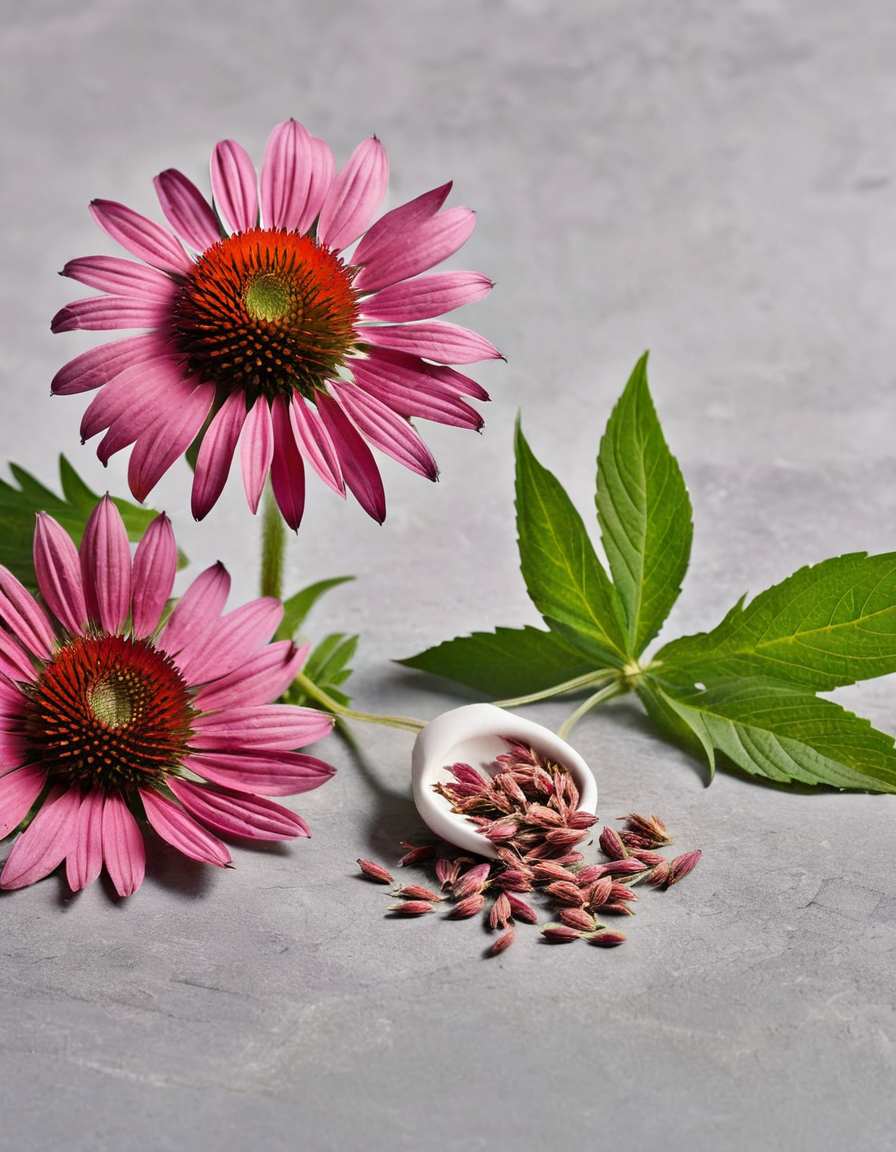
What you get: A 4-fl-oz liquid extract with a 0.7-mL serving, made from fresh E. purpurea root. This is the simpler of the two Herb Pharm formulations in the ranking because it identifies one species and the root plant part.
Value and quality context: The approximate observed price was $44.79 on September 6, 2026. Although it has the highest upfront price, the bottle contains four times the fluid volume of the Editor’s Choice and is therefore my best value-size option for households that expect to use more than one short course.
This product ranks third because the large bottle may be excessive for someone buying echinacea only for occasional symptom-onset use. Still, it offers a clearly identified fresh-root extract and the same verified 0.7-mL standard serving as the smaller Herb Pharm option. It may appeal to shoppers who prefer a root-only formula over a blend of plant parts. Alcohol content and herbal taste remain relevant drawbacks. The larger format and transparent root description are useful purchasing details, but they do not guarantee effectiveness.
- Pros: Large 4-fl-oz format; fresh E. purpurea root is disclosed; verified 0.7-mL serving; potentially better value by volume.
- Cons: Highest upfront price; alcohol and strong taste; more product than many occasional users need.
Comparison Table
| Product | Form | Dose per serving | Count | Approximate price | Best for |
|---|---|---|---|---|---|
| Herb Pharm Super Echinacea | Liquid extract | 0.7 mL | 1 fl oz | $14.39 | Short-course symptom-onset use |
| Windmill Health Echinacea 400 mg | Capsule | 400 mg E. purpurea aerial-parts powder | 60 capsules | $6.00 | Budget-friendly capsule use |
| Herb Pharm Echinacea Extract | Liquid root extract | 0.7 mL | 4 fl oz | $44.79 | Larger value-size root extract |
How to Choose an Echinacea Supplement
Start by looking beyond the word “echinacea” on the front label. Ideally, the supplement facts or ingredient panel should identify the species, such as Echinacea purpurea or Echinacea angustifolia, as well as the plant part. Root, aerial parts, and combined formulas are chemically different preparations. That matters because positive results from one formulation cannot automatically be transferred to another.
Next, distinguish whole-herb powder from an extract. A capsule containing 400 mg of powdered herb is not necessarily stronger or weaker than 0.7 mL of liquid extract. Those numbers measure different things. Extract ratio, solvent, fresh-versus-dried material, and any standardized constituent can change what a serving provides. Compare like with like when possible, and avoid ranking products solely by the largest number on the label.
Choose a format you can use correctly. Capsules are premeasured, portable, and avoid the taste of tinctures, but they may contain gelatin and cannot easily accommodate partial servings. Liquid extracts have a concentrated herbal taste and often contain alcohol, yet some people find a dropper more convenient at the onset of symptoms. Follow the current package directions rather than copying a dose from a study or another brand.
Keep the intended time frame narrow. The evidence is mixed, but the most defensible consumer use is a short course started when cold symptoms first appear. I would not interpret “immune support” as a reason to take echinacea every day throughout the year. Short-term use has been studied more than chronic use, and a bigger bottle only represents good value if it can be used appropriately within its labeled storage and expiration limits.

Finally, screen for safety before focusing on price. Echinacea belongs to the Asteraceae family and may cross-react in people allergic to ragweed, daisies, chrysanthemums, or marigolds. Stop taking it and seek appropriate care if you develop a rash, swelling, wheezing, or breathing difficulty. Ask a qualified clinician before use if you have an autoimmune condition, take immunosuppressants, have liver disease, are pregnant or breastfeeding, or are considering it for a child. Cold symptoms that are severe, worsening, unusually persistent, or accompanied by breathing trouble deserve medical evaluation rather than another supplement dose.
FAQ
Does echinacea stop a cold?
No reliable evidence shows that every echinacea product will stop a cold. Some pooled studies report modest signals for reduced incidence or duration, but preparations varied considerably. Think of echinacea as an optional short-term supplement with uncertain benefit, not a substitute for rest, fluids, appropriate symptom care, or medical advice.
When should I start taking echinacea?
The most reasonable use case is starting a short course at the onset of cold symptoms, following the specific product label. Evidence does not establish that taking echinacea continuously throughout the year provides dependable “immune boosting,” and long-term use is less well studied.
Is liquid echinacea better than capsules?
Not necessarily. Liquids and capsules can contain different species, plant parts, and preparations, so format alone does not determine effectiveness. A liquid can be convenient for short-course use, while a capsule provides a premeasured serving and avoids tincture taste. Choose based on label detail, formulation, and practical preference.
Who should avoid echinacea?
People with allergies to ragweed or related Asteraceae plants should be cautious because cross-reactivity is possible. Anyone with autoimmune disease, liver disease, or immunosuppressant use should seek professional guidance. The same applies during pregnancy or breastfeeding and before giving echinacea to a child. Stop immediately for signs of an allergic reaction.
The Bottom Line
Herb Pharm Super Echinacea, 1 fl oz, is my top pick and earns a rating of 9.1/10. Its compact bottle, verified 0.7-mL serving, aerial-parts-plus-root formula, and moderate upfront price make it the most practical choice in this group for short-term use beginning at the onset of cold symptoms.
The honest limit is that echinacea evidence remains mixed and preparation-dependent. None of these three products is proven to prevent, cure, or reliably shorten a cold, and favorable research on one formulation cannot validate every retail supplement. Check the current label, use the product only as directed, consider the ragweed-family allergy risk, and seek medical advice when your health history or symptoms call for it.
Sources
Disclaimer: This article is for informational purposes only and is not medical advice. Supplements are not intended to diagnose, treat, cure, or prevent disease. Consult a qualified healthcare provider before starting a supplement, especially if you take medication, are pregnant or breastfeeding, or have a medical condition. Affiliate links may earn us a commission at no additional cost to you.