Best Resveratrol Supplements on Amazon: Hype vs What Studies Show

Quick Summary
I wouldn’t buy resveratrol expecting the results of a mouse experiment to show up in my next blood test. The human evidence is mixed, and poor bioavailability is a real limitation: much of what you swallow is rapidly metabolized, leaving relatively little unchanged resveratrol in circulation.
The meta-analysis of resveratrol and blood pressure didn’t find a significant overall reduction in systolic or diastolic pressure. A higher-dose subgroup showed a systolic signal, which is narrower than saying resveratrol lowers blood pressure generally. The review of CRP and cardiovascular risk markers was also disappointing. It’s a systematic review and meta-analysis, rather than a single trial.
For someone who still wants to compare formats, I’d look at a clearly labeled trans-resveratrol capsule first. A grape seed blend adds complexity, while micronized powder trades pill convenience for measuring work. Label doses ranging from 50 mg to 1,000 mg reflect a lack of an agreed general-purpose dose, not a reason to pick the biggest number.
How We Compared
We did not test these products.
I considered ingredient transparency, third-party testing, verified reviews, and value per serving. These are format recommendations rather than audits of named Amazon listings. I haven’t verified current stock, a particular batch’s purity, or a retailer’s review history. That distinction matters when a label’s main selling point is high purity.
For transparency, I’d want the amount of trans-resveratrol itself, not merely the weight of a plant extract or a polyphenol blend. If a capsule lists 500 mg of extract, the amount of trans-resveratrol may be lower. With a blend, each ingredient should have its own amount. With powder, the serving instructions need to be practical and unambiguous.
Third-party testing can help assess identity, purity, and contaminants, but it can’t settle whether supplementation is worth doing. Verified reviews are useful for capsule size, broken seals, or awkward packaging; I don’t treat testimonials about aging as clinical evidence. For value per serving, compare equivalent amounts of the stated active ingredient and include the inconvenience of scooping. A large tub isn’t a bargain if you won’t use it reliably.
The Three Picks
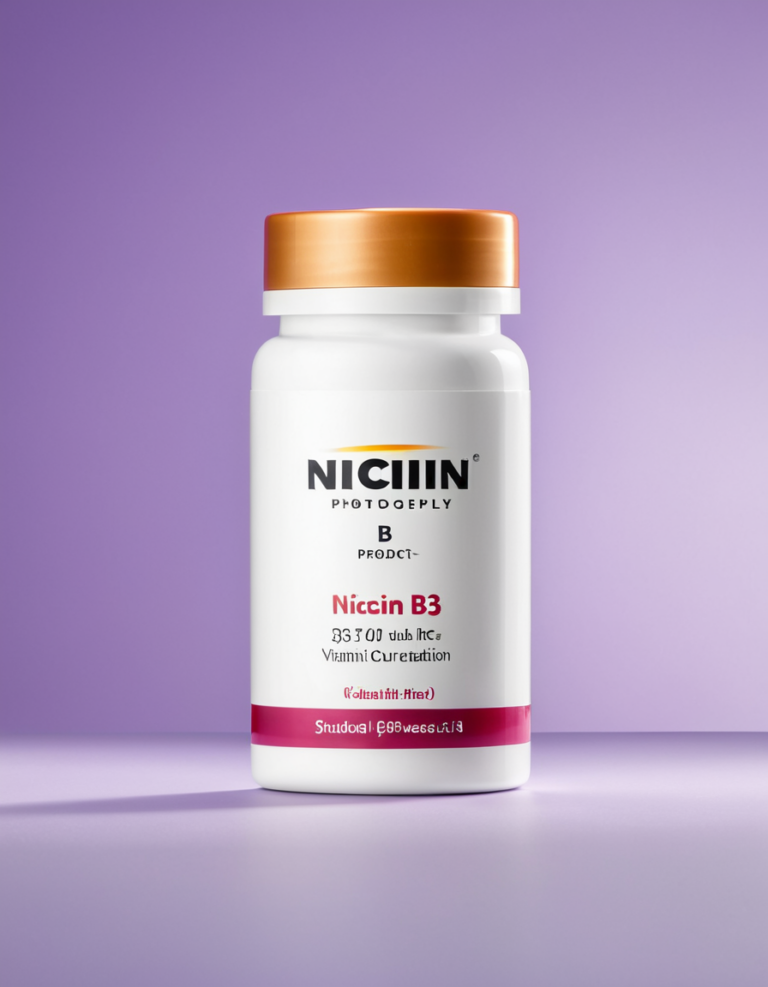
Trans-resveratrol 500 mg capsules: the clearest label to compare
A single-ingredient capsule is the format I’d find easiest to assess. If you’re considering a 500 mg product, look for 500 mg of trans-resveratrol per labeled serving, with a stated purity and a way to check the supporting analysis. Extract weight alone doesn’t answer that question.
I like the practical simplicity: no scoop, no drink to finish, and fewer ingredients to account for. But 500 mg is a product category here, not my suggested starting dose. The studies don’t establish that it’s the right amount for general wellness, and a larger capsule doesn’t solve the bioavailability problem.
Cons: Verified high-purity material can carry a premium. A fixed-strength capsule limits adjustment. Higher amounts can be harder on the stomach, with no assurance of extra benefit.
This fits someone who wants a plain formula and is comfortable accepting uncertain results. I’d skip it if you’re buying on a lifespan promise, or if the listing never distinguishes extract from trans-resveratrol. Check whether the serving requires one capsule or two, since that changes the bottle’s apparent value. I would choose clear documentation over an impressive front label and avoid committing to a large supply before deciding whether the cost makes sense: check price on Amazon.
For a separate comparison of purity claims, inspect trans-resveratrol capsule listings at HerbsPro.
Resveratrol + grape seed extract: a blend for people who want both
I’d consider this only if you deliberately want both resveratrol and grape seed extract. Two familiar plant ingredients in one capsule can be convenient. That doesn’t establish that the combination delivers a better result than a straightforward resveratrol product.
Read the Supplement Facts panel for separate amounts and any standardization details. A headline saying 1,000 mg polyphenol complex may describe the combined material rather than the resveratrol content. I wouldn’t compare that number directly with a 500 mg trans-resveratrol capsule. Other added extracts can make the comparison even less clear.
Cons: Proprietary blends may conceal individual doses. You can’t adjust the two main ingredients separately. Extra ingredients complicate checking interactions and identifying the cause of side effects.
This fits someone who already has a reason to use both components and finds a fully disclosed formula. I’d skip it if the blend’s appeal is simply that more ingredients sound more effective. None of the studies cited here establishes that a grape seed combination outperforms single-ingredient resveratrol. I would also check the capsule count per serving; the convenience argument gets weaker when the blend needs more pills than the separate product you meant to replace: check price on Amazon.
To compare how other blends disclose their amounts, review resveratrol and grape seed formulas at HerbsPro.

Micronized resveratrol powder: potential value, with measuring work
Powder makes sense to me for someone who dislikes capsules and doesn’t mind a more involved routine. A larger container may cost less per comparable amount. Micronization reduces particle size, but the word alone doesn’t show that a specific powder produces a meaningful health benefit.
I’d want a stated trans-resveratrol content, purity documentation, storage instructions, and a usable serving measure. A tiny scoop can be difficult to fill consistently. Where precise measurement is needed, follow the manufacturer’s instructions and use suitable equipment; a kitchen teaspoon isn’t a substitute for a specified small measure.
Cons: Scoop-based portions can be inconsistent. Taste and poor mixing can make the powder unpleasant. Measuring and cleaning up take more effort than swallowing a capsule.
This fits a patient shopper who values a powder format enough to accept those chores. I’d skip it if you’re likely to estimate the amount by eye or if a bitter drink would make you abandon the tub. The powder may save money on packaging, but it doesn’t remove the uncertainty about dose or bioavailability. Before choosing the largest container, I’d check how long it would realistically take to use within the labeled storage and expiry limits: check price on Amazon.
If powder is your preferred format, compare micronized resveratrol searches on HerbsPro.

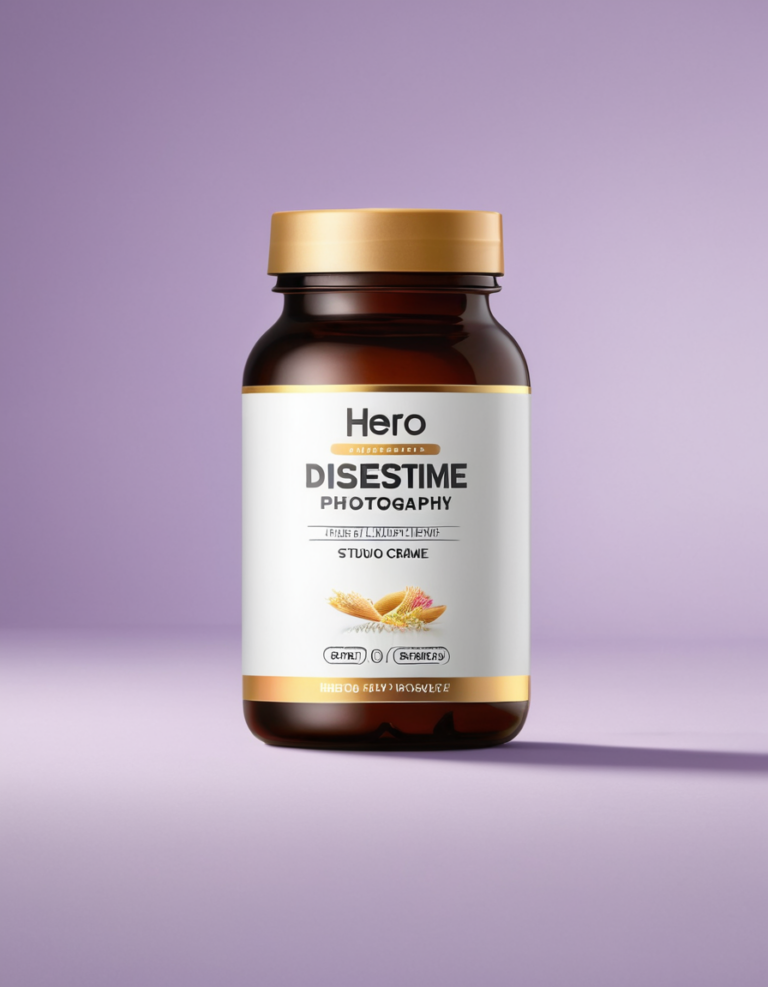
Also worth a look: GenuinePurity Trans-Resveratrol
GenuinePurity Trans-Resveratrol is another option to compare if you’re specifically looking for high-purity micronized trans-resveratrol. I’d apply the same checks: actual trans-resveratrol per serving, current purity documentation, and cost for the full serving. The drawback is straightforward: you pay a premium for a single ingredient, and the bioavailability question applies to every brand, including this one. I haven’t tested it or verified a current batch report. Micronized is a formulation detail, not evidence that you’ll get better clinical results. I’d consider it only if the label and supporting documents justify the extra expense for you.
Quick Comparison
| Product | Best for | Key ingredients | Our note |
|---|---|---|---|
| Trans-resveratrol 500 mg capsules | A straightforward ingredient comparison | Trans-resveratrol | Confirm active content; 500 mg isn’t a universal target |
| Resveratrol + grape seed extract | People who specifically want both | Resveratrol and grape seed polyphenols | Separate ingredient amounts matter |
| Micronized resveratrol powder | A capsule-free value format | Micronized resveratrol | Measuring and taste are real compromises |
FAQ
Are there any encouraging human findings?
Yes, but they’re specific. A randomized trial in postmenopausal women reported improvements in bone mineral density. That is an interesting result in a defined population, not evidence that a supplement prevents fractures or offers a broad anti-aging benefit.
I’d keep the endpoint in view. A change in a measurement can justify further research without establishing the larger claim printed on a bottle. It also doesn’t tell us that every formulation or dose will produce the same result.
What did the liver-fat trial actually find?
The trial in overweight, insulin-resistant adults did not show the hoped-for reduction in liver fat with resveratrol. Liver fat fell in the placebo group rather than the resveratrol group, and the researchers didn’t find a useful effect on the cardiometabolic measures examined.
I wouldn’t describe that as positive liver evidence. This is exactly why I prefer checking the outcome rather than relying on a study title or a summary that says only that resveratrol was researched.
Does micronized mean the absorption problem is solved?
No. Smaller particles may change how a formulation behaves, but human metabolism still matters. I would want direct evidence for the exact formulation before paying more on the assumption that it delivers more useful exposure. Even better exposure wouldn’t automatically establish a benefit you can notice.
The gap between a lab mechanism and a worthwhile purchase remains. That’s why I don’t rank micronized powder above capsules merely because the formulation sounds more advanced.
How should I choose a dose?
I wouldn’t derive one from the spread of doses on store shelves. Fifty milligrams and 1,000 mg represent very different products, and no agreed general-wellness dose emerges from these studies. Higher-dose subgroup findings aren’t instructions to increase your intake.
Discuss the idea with a clinician or pharmacist if you use medicines, particularly ones that affect bleeding, or have a procedure planned. The blend option needs the whole ingredient list checked. If there’s no clear reason to take resveratrol, uncertainty itself is a reasonable reason to leave it out.
Our Take
I’d favor a transparent single-ingredient label over a complicated blend, but I’m unconvinced that most people need any of these. The negative findings deserve as much space as the encouraging bone result. A premium formulation doesn’t erase mixed human evidence or poor bioavailability.