Best Collagen Supplements on Amazon: What We’d Pick for Skin
Quick Summary
My first collagen comparison would be a plain hydrolyzed bovine powder with a readable serving size. Marine peptides are a sensible alternative for someone avoiding beef-derived ingredients, while multi-collagen capsules mostly offer a different way to take the product. I wouldn’t pay more simply because a label lists five collagen types.
Early research suggests oral collagen peptides may produce modest changes in skin hydration or elasticity. The findings are encouraging enough to discuss, but the studies are often small and use particular preparations. I’d allow eight or more weeks before expecting a fair comparison, without assuming a change will happen. This is an optional addition to a routine, not a moisturizer in a jar.
These picks are formula categories. We haven’t selected or authenticated three specific Amazon listings.
If your budget is tight, I wouldn’t sacrifice everyday skincare to fund a tub of peptides. A supplement needs to earn its ongoing cost, and an improvement measured with an instrument may be less obvious in your bathroom mirror.
How We Compared
We did not test these products. I compared formats using ingredient transparency, third-party testing, verified reviews, and value per serving. No current retail price, batch certificate, mixing performance, or review history was verified for a named product. When I discuss flavor or capsule burden, I’m describing practical format concerns to investigate.
For transparency, I’d want the animal source and grams of collagen per complete serving. Independent testing should identify the finished product and relevant identity or contaminant checks. Verified reviews can help with clumping, smell, and scoop mess; they can’t establish a skin benefit. For value, I’d compare the cost per gram as well as the cost per labeled serving, because two serving sizes can differ substantially.
A systematic review of oral collagen in dermatology reported encouraging skin findings while leaving room for better research. A later placebo-controlled trial of bioactive collagen peptides studied 77 women using 5 grams daily for 12 weeks and reported improvements in measures including hydration. Several authors were company employees, which I’d keep in mind when weighing the result.
Those studies support cautious interest in studied peptides. They don’t establish that every powder, every marine source, or a small capsule serving delivers the same outcome. I haven’t assigned invented scores to formats that weren’t compared head to head.
The Three Picks
1. Unflavored bovine collagen peptides: my practical first comparison
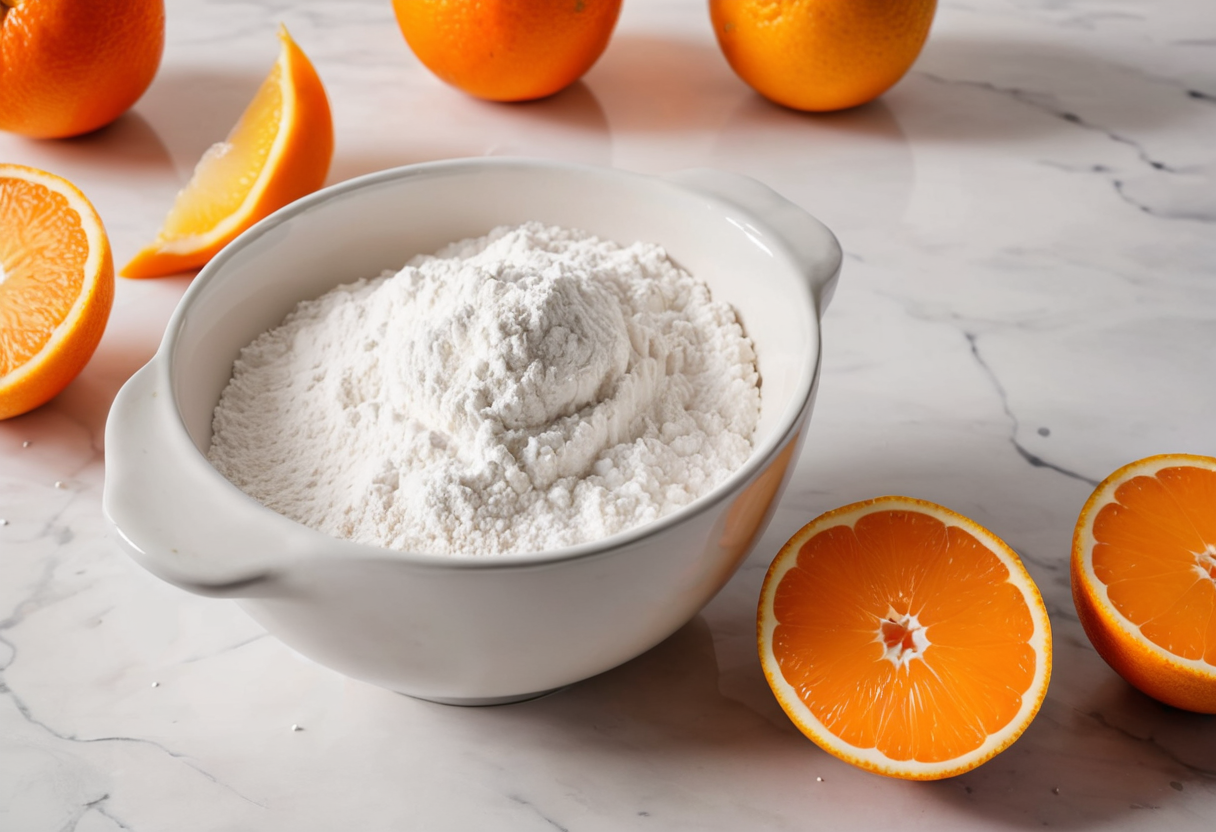
A hydrolyzed bovine powder, commonly labeled with types I and III, is the format I’d inspect first. Hydrolyzed means the collagen has been broken into smaller peptides. I’d want the actual collagen weight per serving and a short ingredient list, without needing to decipher a beauty blend full of unrelated extras.
This fits someone comfortable with an animal-derived product who already has a drink or food they can mix it into. A routine that exists is easier to use than one invented around a purchase. It doesn’t fit a vegan diet or someone avoiding bovine ingredients for personal, religious, or allergy-related reasons.
The cons: “Unflavored” can still have a noticeable taste, powder can clump or leave a film, and a daily scoop requires more preparation than a capsule. We haven’t mixed a specific product, so I’d use recent reviews to investigate those concerns. I wouldn’t promise that it disappears in coffee.
Before choosing a tub, I’d calculate how many full servings it contains and compare the grams with relevant research. The presence of types I and III isn’t a delivery address telling the powder where to go in your body. Keep the claim smaller than the label. For plain options to inspect, check price on Amazon.
For another way to compare serving weights, browse bovine peptide powders at HerbsPro.
2. Marine collagen peptides: a source preference, not an automatic upgrade
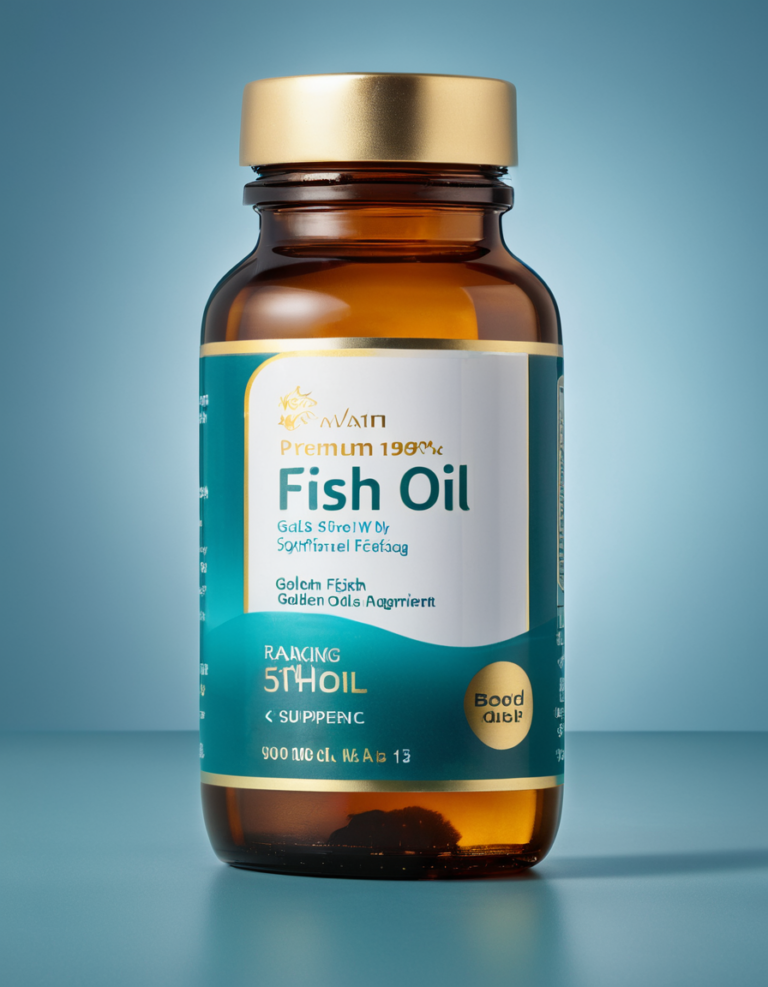
I’d consider marine peptides if you want collagen while avoiding a bovine source. Check the exact source rather than relying on ocean imagery. Many marine products are fish-derived, and “marine” doesn’t make them vegan or appropriate for someone with a relevant seafood allergy.
It fits a person whose dietary preferences allow the named source and who can verify a suitable label. Skip it if you have a fish allergy unless an allergy specialist has specifically advised otherwise, or if the manufacturer won’t clearly identify what the peptides come from.
The cons: A fishy odor or taste can be a problem, a price premium is common enough to check carefully, and the fish source creates an allergy limitation. I haven’t tasted a particular listing or compared live prices, so I’d confirm both practical issues before paying extra. A flavoring system can mask taste while adding ingredients you may not want.
I wouldn’t assume marine collagen is more effective for skin simply because a seller calls it more absorbable. What matters is evidence for the preparation and amount being used. The sources cited here don’t establish a universal marine-over-bovine advantage. Compare equivalent serving weights and credible testing details first. If the source still suits you, check price on Amazon.
If you want to compare named fish sources and formats, review marine collagen choices at HerbsPro.

3. Multi-collagen capsules: convenient packaging, awkward gram counts
Capsules appeal to me for travel or for someone who dislikes adding powder to a drink. A multi-collagen formula may list types I, II, III, V, and X, but I’d turn straight to the serving panel. The list of types doesn’t tell you how much collagen is inside.
This fits someone who strongly prefers capsules and is comfortable with the full labeled count. It doesn’t fit someone expecting one small capsule to supply the same amount as a multi-gram powder serving. I’d check the sources too, since a blend can combine bovine, marine, chicken, or other animal-derived materials.
The cons: Reaching a multi-gram amount can require many capsules, the cost per gram may be less favorable, and mixed sources make allergy and dietary screening more complicated. These are reasons to do the arithmetic before ordering. A bottle with an impressive capsule count can contain surprisingly few daily servings.
I don’t see evidence here that five types outperform a simpler peptide formula for skin. Nor would I increase capsule intake beyond the label just to imitate a study amount. If the labeled serving doesn’t fit the comparison you want to make, choose a different format or skip the purchase. To review the format honestly, check price on Amazon.
For a second check on capsule counts and animal sources, compare multi-collagen formulas at HerbsPro.

Also worth a look: Skinception
Skinception belongs in a separate topical-skincare conversation. I’d consider it an alternative shopping direction for someone who prefers applying a product rather than adding an ingestible. The main limitation is evidence: results from oral collagen studies can’t be transferred to a cream, and the current product’s own ingredients need their own assessment. Price per jar can also add up, particularly if it displaces a simpler moisturizer you already like. I haven’t tested its texture or tolerance. Before buying, I’d check the exact formula and patch-test a new topical rather than assume the brand name predicts a result.
Quick Comparison
| Product | Best for | Key ingredients | Our note |
|---|---|---|---|
| Unflavored bovine peptide powder | A simple daily powder routine | Hydrolyzed bovine collagen, types I and III | Check grams; unflavored may still taste noticeable |
| Marine collagen peptides | Avoiding a bovine source | Marine-derived collagen peptides | Identify source and screen fish allergies |
| Multi-collagen capsules | People who strongly prefer capsules | Types I, II, III, V, and X blend | Count the capsules required for the serving |
FAQ
How long before I can judge a result?
I’d think in terms of eight to twelve weeks, reflecting the sort of follow-up used in relevant research, rather than a few days. That isn’t a promise that waiting will produce a benefit. If you compare photos, use similar lighting and avoid changing several skincare products at once.
Are more collagen types better for skin?
The type count alone doesn’t answer that question. A five-type label can be a less useful comparison tool than a plain statement of grams per serving.
Can collagen replace my usual protein source?
I wouldn’t build a protein plan around a skin supplement. Collagen doesn’t have the same amino acid profile as complete dietary proteins. Keep regular meals and suitable protein foods in place, then decide whether this optional addition deserves a separate budget. Buying a large tub doesn’t make it a general nutritional replacement.
Does third-party testing establish skin benefits?
No. Testing can help answer questions about identity, amount, and contaminants within the scope of the test. It doesn’t establish that your skin will look or feel different. I’d ask what was tested, by whom, and whether the certificate relates to the exact product. “Lab tested” without those details leaves too much open.
Our Take
I’d start by comparing a plain bovine peptide powder, choose marine only when its source suits a real preference, and reserve capsules for people who value that format enough to accept the count. Modest skin benefits are plausible; dramatic changes aren’t a fair expectation. The best purchase may still be the routine you can afford to maintain without adding anything.