Best CoQ10 for Fertility on Amazon: What the Studies Used
Fertility is a rough topic to research online. One site swears CoQ10 fixed everything, the next says it’s snake oil, and you’re left wondering whether to spend $30 a month on softgels or skip the whole thing. I went through the human studies instead of the hype, and honestly, the picture is more interesting than either camp admits. There’s real biology behind this one — eggs and sperm are among the most mitochondria-dense cells in the body, and CoQ10 sits right in the middle of how those mitochondria make energy.
Quick summary
CoQ10 (coenzyme Q10) is a vitamin-like compound your cells use to produce energy and manage oxidative stress. Because egg quality and sperm motility both depend heavily on mitochondrial function, researchers have tested CoQ10 supplementation in people trying to conceive. The evidence is strongest for sperm parameters, promising but earlier-stage for egg quality, and it’s not a substitute for an actual fertility workup. If you want the short version of what we’d pick:
- Best overall: Life Extension Super Ubiquinol CoQ10 — the ubiquinol form, easy to split doses.
- Best value: Doctor’s Best High Absorption CoQ10 — plain ubiquinone with black pepper extract, costs less per month.
- Best single-capsule dose: Nordic Naturals CoQ10 Ubiquinol — 200 mg in one softgel, close to what most studies used.
A note before anything else: we did not test these products in a lab. What follows is a comparison based on form, dose, third-party reputation, and what the published research actually measured.
How we compared these CoQ10 options
Three things mattered most to us. First, the form — ubiquinol versus ubiquinone — because brands argue about it constantly and the truth is less dramatic than the marketing. Second, the dose per serving, since the human fertility studies mostly used 200 to 600 mg per day, and a 50 mg “heart health” dose isn’t the same conversation. Third, price per realistic daily dose, because at fertility-range doses, cheap bottles stop being cheap fast. We also weighted third-party testing, since the FDA doesn’t check supplements before sale.
One honest limitation: supplement quality data mostly comes from the brands themselves or third-party certification programs, not from independent researchers buying bottles at retail.
Life Extension Super Ubiquinol CoQ10 — best overall for fertility-range dosing
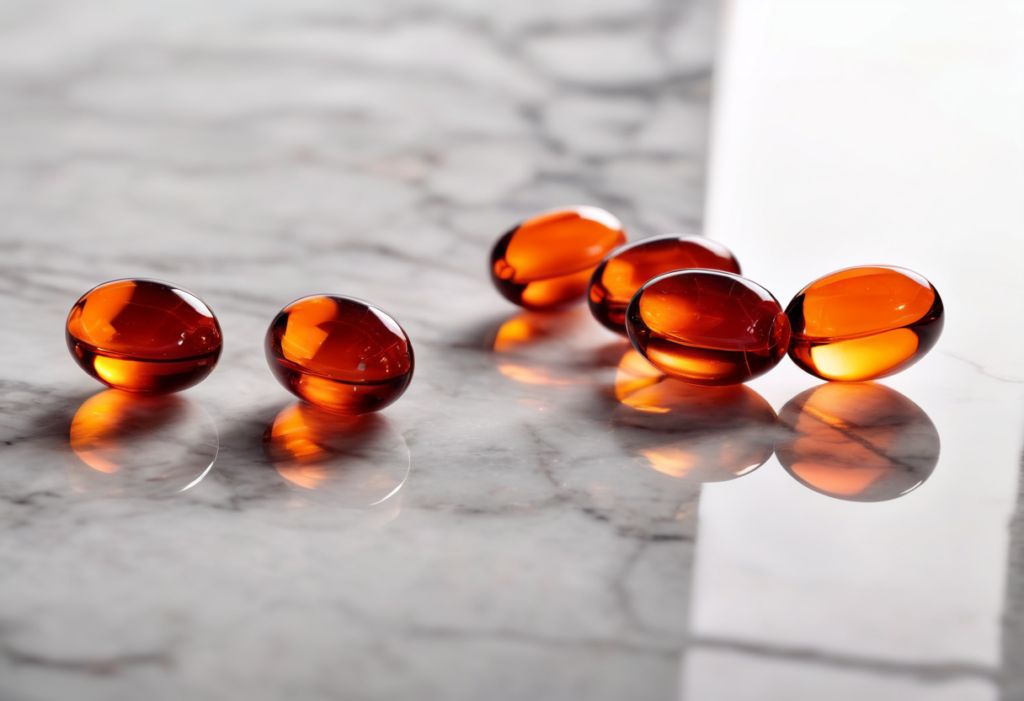
This is the ubiquinol form, which is the reduced, “pre-converted” version of CoQ10. The pitch is better absorption, especially past age 40, when the body’s ability to convert ubiquinone into ubiquinol reportedly declines. At 100 mg per softgel, hitting the 200–300 mg daily range that most egg-quality studies explored means two to three softgels. The softgels are small – welcome if you’re already swallowing prenatals.
What we like: the dose flexibility, the small softgel size, and a brand that’s been around long enough to have consistent manufacturing. What we don’t like: it’s the priciest option here at fertility-range doses, and the ubiquinol-versus-ubiquinone debate is genuinely unsettled — some pharmacokinetic reviews found ubiquinol absorbs better, while others found both forms raise blood levels comparably when taken with fat. You’re paying extra for a maybe.
check price on Amazon if this one fits your budget.
Second option: compare prices at HerbsPro if you’d rather shop there.
Doctor’s Best High Absorption CoQ10 — best value per milligram
This is ubiquinone — the oxidized form, the one that’s been in human studies the longest and costs noticeably less. Each tablet delivers 100 mg paired with BioPerine (black pepper extract), which is included to slow breakdown in the gut and improve uptake. At typical fertility-range dosing, this bottle gives you the lowest cost per month of the three, which matters when a trying-to-conceive stretch can run six months or longer.
The honest cons: the tablets are larger than softgels and some people find them hard to swallow, BioPerine can interact with certain medications by changing how they’re absorbed (worth mentioning to your doctor if you take anything daily), and “high absorption” on the label is marketing language more than a measured claim. Still, if budget decides this for you, it’s a reasonable pick.
check price on Amazon for the current count sizes.
It’s also listed at HerbsPro, sometimes at a lower per-count price – worth a quick comparison.
Nordic Naturals CoQ10 Ubiquinol — best one-softgel study dose
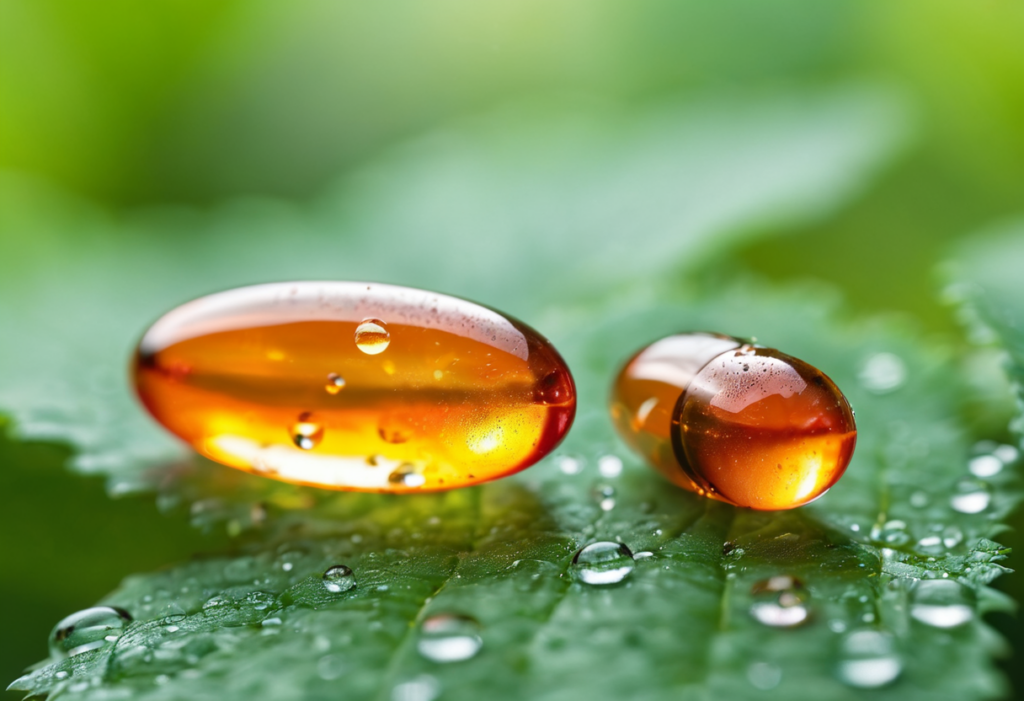
Most fertility-focused reviews of CoQ10 point to the 200 mg daily figure, because that’s what the sperm study below used and it’s a common anchor in the egg-quality literature. Nordic Naturals puts 200 mg of ubiquinol in a single softgel, so there’s no juggling three capsules across meals. The ingredient list is short, the softgels are standard-sized, and the brand has a long track record with third-party checks on its oils and softgels.
The downsides: it’s the highest price per bottle here, 60 softgels is a single month at one per day, and if your doctor eventually suggests going up to 300–600 mg (some protocols do), you’re back to swallowing multiples of an expensive capsule. For a straightforward one-and-done routine at the dose most people discuss, though, it’s the cleanest option.
check price on Amazon to compare bottle sizes.
Second option: compare prices at HerbsPro if you’d rather shop there.
A blended alternative if sperm numbers are the concern
Everything above is single-ingredient CoQ10, which keeps dosing simple. There’s also a blended route for male-factor support: FertilityFactor5, a formula that combines several nutrients (including zinc and ashwagandha) aimed at sperm count, motility, and morphology. It’s sold through the official FertilityFactor5 site, and being upfront with you: proprietary blends make it harder to judge whether each ingredient hits the doses used in studies, so we can’t vouch for it the way we can for plain CoQ10. Some people prefer a formula that targets multiple pathways at once; others should stick with single ingredients and a doctor’s guidance.
Comparison table
| Pick | Form | Dose per serving | Best for | Main watch-out |
|---|---|---|---|---|
| Life Extension Super Ubiquinol | Ubiquinol | 100 mg softgel | Flexible dosing, small pills | Costs more at 200–300 mg/day |
| Doctor’s Best High Absorption | Ubiquinone + BioPerine | 100 mg tablet | Lowest cost per month | Large tablet; pepper extract interactions |
| Nordic Naturals Ubiquinol | Ubiquinol | 200 mg softgel | One-capsule study-style dose | Highest price; 60-count bottle |
What the research actually says
For men: a randomized trial published in Urology (Safarinejad, 2009) followed infertile men taking 200 mg of CoQ10 daily for 26 weeks and reported improvements in sperm concentration, motility, and morphology compared with placebo. It was one study, in one population — encouraging, not conclusive.
For women: the egg-quality story comes mostly from small studies and reviews. A 2014 review in Women’s Health (Bentov and colleagues) laid out the mitochondrial theory of egg aging and early clinical experience with CoQ10, and later small trials have looked at ovarian response in women with diminished reserve. The National Institutes of Health maintains a CoQ10 fact sheet through its Office of Dietary Supplements, and its summary is fair: evidence for fertility benefits isn’t strong enough for firm conclusions, though the compound itself has a good safety record at typical doses. NCCIH, the NIH’s complementary health center, reaches a similar conclusion.
Neither source is going to tell you CoQ10 will make you pregnant. That claim doesn’t exist in good science.
FAQ
How much CoQ10 should I take for fertility? Studies in men have used 200 mg daily; work on ovarian function has ranged from about 200 to 600 mg. That’s study dosing, not a recommendation — the right amount depends on your age, health, and what your reproductive endocrinologist says. Don’t self-prescribe at the top of that range.
Ubiquinol or ubiquinone — which one matters? Ubiquinol absorbs somewhat better in some comparisons, particularly in older adults, but both forms raise blood CoQ10 when taken with a meal containing fat. If you’re under 35 or so, the cheaper ubiquinone is a perfectly defensible choice. Past 40, 2026 many people lean ubiquinol — partly for the biology, partly for peace of mind.
How long before I’d notice anything? Sperm take roughly three months to develop, so semen parameters wouldn’t shift for at least one full cycle of that timeline. Egg quality is harder to measure and slower to study. Anyone promising changes in two weeks is selling something.
Our take
If money weren’t a factor, we’d run the Nordic Naturals 200 mg for simplicity, or the Life Extension ubiquinol split across two meals. On a budget, Doctor’s Best with food does the same basic job. But the order of operations matters more than the brand: get actual fertility testing first, because CoQ10 is a supporting player, not a diagnosis. Low sperm count or irregular cycles can have specific causes a doctor can address directly, and no supplement stack replaces that step. Take whichever pick with a meal that includes fat, give it a fair three-month window, and keep expectations grounded.