Best Probiotics on Amazon: Strains Worth Buying, CFU Numbers That Don’t Matter
Short answer: If you want one probiotic that fits most people, Culturelle Digestive Health is the safest first pick — single strain (L. rhamnosus GG), genuinely studied, honest dose. For broad-strain coverage, Align (B. longum 35624) has the strongest IBS-adjacent evidence. And the cheapest option that still works: Nature Made’s USP-verified capsules.
Stop Buying Probiotics by CFU Count
The biggest trap in the probiotic aisle is the number on the front. “50 Billion CFU!” sounds stronger, but CFU counts are like horsepower in a car you never drive — what matters is whether the specific strain has evidence for your problem, and whether it’s still alive by the time you swallow it.
After a decade of buying these, my rule is simple: buy a named strain with human trials behind it, at the dose those trials used. The NIH probiotics fact sheet is blunt about this — benefits are strain-specific and condition-specific, and broad “gut health” promises are marketing.
What Actually Matters on the Label
Strain name, not just species. “Lactobacillus rhamnosus GG” or “Bifidobacterium longum 35624” — the letters/numbers at the end are the actual identity. No strain ID = no evidence trail = skip.
Dose matching the studies. L. rhamnosus GG works around 10+ billion CFU; B. longum 35624 was studied at 1 billion. More is not automatically better.
Guaranteed potency at expiration, not “at time of manufacture.” A billion CFU dying in a warehouse does nothing.
The Picks: What I’d Actually Order
1. Best overall: Culturelle Digestive Health
~$20–30 for 30 caps · L. rhamnosus GG, 10 billion CFU · check current price
L. rhamnosus GG is probably the most-studied probiotic strain on earth, and Culturelle owns it. If you want a single, honest, no-drama capsule for general digestive support — or you’re new to probiotics entirely — this is the default answer. It doesn’t need refrigeration.
What I like: single named strain at the studied dose, shelf-stable, brand that doesn’t play label games.
What I don’t: one strain means one note in the orchestra — if you’re after microbiome “diversity,” this isn’t that. And it’s pricier per capsule than generic blends.
2. Best for IBS-leaning trouble: Align
~$25–35 for 28 caps · B. longum 35624, 1 billion CFU · check current price
Don’t let the tiny CFU number fool you — B. longum 35624 has multiple human trials in IBS-type symptoms (bloating, abdominal discomfort) at exactly this dose. If your issue is bloating and irregularity rather than general digestion, this is the strain with the most specific evidence.
What I like: genuinely targeted evidence, shelf-stable, simple formula.
What I don’t: expensive for what’s literally one strain, and results for IBS-type symptoms tend to be modest, not dramatic.
3. Best budget: Nature Made Digestive Probiotics
~$12–18 · various multi-strain blends · check current price
Nature Made is the rare mass-market brand with USP verification — meaning an independent body checked that what’s on the label is in the capsule, alive. Their probiotic line is honest, boring, and cheap. The strains are less “designer” than Culturelle’s, but for maintenance use, they’re fine.
What I like: USP-verified, supermarket price, widely available.
What I don’t: blends are generic (strain IDs less famous), and potency per capsule is lower — you’re buying adequate, not optimal.
4. Honest alternative: fermented food first
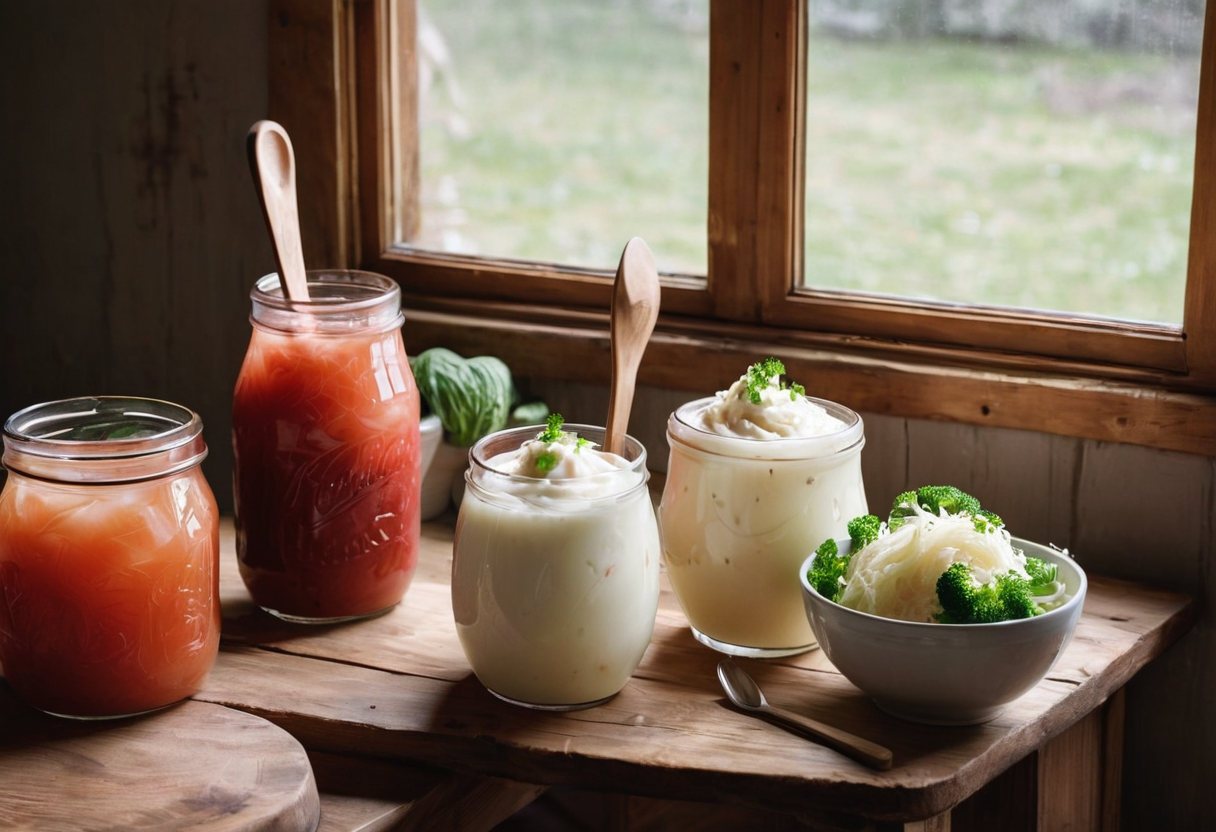
Yogurt, kefir, sauerkraut, kimchi, kombucha — a Stanford trial found a fermented-food diet increased microbiome diversity in just 10 weeks, something a capsule rarely does. I eat fermented food daily and treat capsules as targeted tools, not daily religion.

Quick Comparison
| Pick | Strain | Price ballpark | Best for |
|---|---|---|---|
| Culturelle | L. rhamnosus GG · 10B CFU | ~$20–30/30 | General digestive support |
| Align | B. longum 35624 · 1B CFU | ~$25–35/28 | Bloating / IBS-type issues |
| Nature Made | Multi-strain, USP-verified | ~$12–18 | Budget maintenance |
| Fermented foods | Mixed live cultures | Grocery money | Long-term diversity |
How to Take Them (So They Work)
Consistency beats timing — take one daily, with or without food per the label. Give any strain a 4-week trial before judging. If it does nothing, switch strain, not dose. And store them sensibly: heat kills probiotics faster than anything, so don’t leave the bottle in a hot car.
Who Should Be Careful
Immunocompromised or critically ill: rare but real infection risk — probiotics are only for you with your doctor’s explicit OK.
Central lines / hospital stays: skip self-prescribing entirely.
Severe bloating that’s new or worsening: that’s a doctor visit, not a supplement decision.
FAQ
Do I need to refrigerate probiotics?
Not necessarily — shelf-stable strains are formulated to survive at room temperature, but your bathroom cabinet in summer heat is still a bad home. Fridge storage never hurts.
Can I take probiotics with antibiotics?
Yes, spaced a few hours apart — some evidence suggests S. boulardii and L. rhamnosus GG can reduce antibiotic-associated diarrhea. That’s one of the better-supported use cases.
Are 50-billion CFU products a scam?
Not a scam, just mostly unnecessary. Unless a product can point to trials at that dose for that strain, you’re paying extra for a number.
The Bottom Line
Buy the strain, not the number: Culturelle as the honest default, Align for bloating, Nature Made for budget — and keep eating your kimchi.
Prices are ballparks; verify on the product page. This is information, not medical advice — probiotics are not for severely immunocompromised people without medical supervision.