Best Omega-3 Supplements on Amazon: What I’d Actually Buy
Short answer: For pure omega-3 value, Nordic Naturals Ultimate Omega is the one I keep recommending — third-party tested, genuinely fresh, no fishy burps. Want the budget pick that still passes purity testing? Nature Made Fish Oil is USP-verified and costs about a third. And if you’d rather get omega-3 from algae, an algae-oil capsule is the honest vegan route — pricier per mg, but it works.
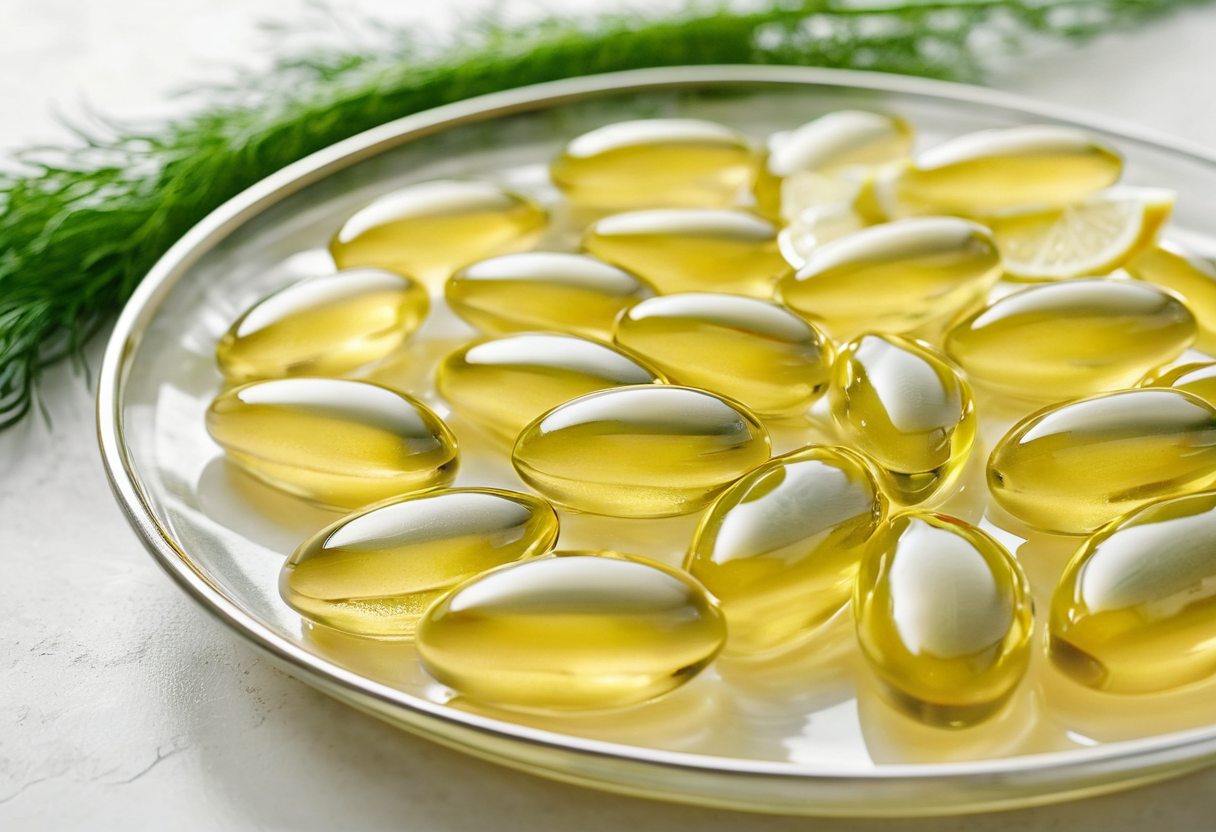

Why Omega-3 Is the One Supplement I Refuse to Skip
I’ve taken fish oil on and off for years, and I’ve wasted money on at least three bottles that turned out to be rancid or underdosed. That’s the dirty secret of the omega-3 aisle: the label can say “1,000 mg fish oil” while delivering maybe 300 mg of the two fatty acids you actually care about (EPA and DHA). Once I learned to read labels properly, everything changed.
The research base here is deeper than for almost any other supplement — the NIH omega-3 fact sheet covers the evidence honestly: supportive for triglycerides, mixed for everything else, and definitely not a miracle. I take it as cheap insurance, not as medicine.
What Actually Matters on an Omega-3 Label
EPA + DHA per serving — not total fish oil. This is the number that matters. Aim for at least 500 mg combined; 1,000 mg if you’re targeting triglycerides.
Third-party testing — fish oil is one of the most adulterated supplement categories. Look for USP, IFOS, or NSF marks. Skip anything without them.
Triglyceride form — slightly better absorbed than ethyl ester form, though both work if taken with a fatty meal.

The Picks: What I’d Actually Order
1. Best overall: Nordic Naturals Ultimate Omega
~$30–40 for 60 softgels · 1,100 mg EPA+DHA per 2 softgels · check current price
This is the bottle I repurchase without thinking. Every batch is third-party tested and traceable by COA on their website — you can literally look up your bottle. The softgels are small, the lemon flavor means zero fishy burps, and the EPA/DHA dose is legitimately high per softgel. It’s expensive per bottle but competitive per gram of omega-3 once you do the math.
What I like: verifiable purity, no reflux, high concentration, trusted brand that hospitals actually use.
What I don’t: the sticker price makes people underestimate it, and the “lemon” taste is faintly candy-like. If budget is the priority, read on.
2. Best budget: Nature Made Fish Oil 1000 mg
~$10–15 for 200 softgels · 500 mg EPA+DHA per softgel combo serving · check current price
Nature Made is the rare mass-market brand with USP verification across its line, and this fish oil is the cheapest genuinely-tested option I’ve found on Amazon. Per gram of EPA/DHA it undercuts almost everything. The softgels are bigger and you may notice mild fish flavor if one gets stuck in your throat — take with food.
What I like: USP-verified at a supermarket price, huge bottle lasts months.
What I don’t: lower concentration per capsule means more pills for a serious dose, and there’s occasionally a fishy aftertaste. It’s not the refined experience of Nordic Naturals, but it delivers the actual omega-3s.
3. Best vegan: Algae-Oil Omega-3 Capsules
~$25–35/month · 250–500 mg DHA+EPA · check current options
Fish don’t make omega-3s — algae do, and fish accumulate them. Algae oil cuts out the middle-fish, which makes it the only legitimate vegan source of preformed EPA/DHA. It’s noticeably pricier per milligram, and capsules are larger, but if you don’t eat fish this is the honest choice, not flaxseed (which your body converts poorly).
What I like: real EPA/DHA without fish, sustainable source, no contaminants concern.
What I don’t: cost per gram is roughly double fish oil, and many algae products underdose EPA specifically. Check the label for at least 250 mg EPA+DHA combined.
4. Best high-dose: Viva Naturals Triple-Strength Omega 3
~$20–25 for 90 caps · 2,000 mg EPA+DHA per serving · check current price
If your goal is a therapeutic-style dose (1,000+ mg EPA+DHA) without taking four capsules, this concentrates the omega-3s so two caps do the work of four. It’s third-party tested and the price per gram of EPA/DHA undercuts Nordic Naturals.
What I like: high concentration, clean sourcing, decent price for what you get.
What I don’t: softgels are on the larger side, and high-dose omega-3 has a mild blood-thinning effect — if you’re on anticoagulants, that’s a doctor conversation first.
Quick Comparison
| Pick | EPA+DHA per serving | Price ballpark | Best for |
|---|---|---|---|
| Nordic Naturals Ultimate | 1,100 mg | ~$30–40 / 60 gels | Overall quality & freshness |
| Nature Made Fish Oil | ~500 mg | ~$10–15 / 200 gels | USP-verified budget |
| Algae-oil vegan | 250–500 mg | ~$25–35/mo | Plant-based diets |
| Viva Naturals Triple-Strength | 2,000 mg | ~$20–25 / 90 caps | High-dose without pill burden |
How to Take It (So It Actually Works)
Take omega-3 with a meal that contains fat — absorption improves significantly. If you’ve ever gotten fishy burps, you likely took it on an empty stomach or with a bad bottle. Store it away from heat and light; fish oil oxidizes, and a rancid capsule smells like crayons when you bite it.
Keep expectations calibrated: the NIH summary shows the strongest evidence is for triglycerides; joint comfort and dry eye have moderate support; brain and heart benefits in healthy people are weaker than the marketing suggests.
Who Should Be Careful
On blood thinners or scheduled for surgery — omega-3 has a mild anticoagulant effect. Talk to your doctor first.
Allergic to fish — most refined fish oils are filtered, but check with your allergist before assuming it’s safe.

FAQ
Can I just eat salmon instead?
Two servings of fatty fish a week genuinely covers most people’s needs, and it’s my preferred route too. Supplements are for people who don’t consistently eat fish — which, honestly, is most of us.
Why does my fish oil bottle smell bad?
It’s oxidized. Rancid fish oil isn’t just unpleasant — it loses the benefits you paid for. Bite one capsule occasionally as a freshness test; a neutral or lemony taste is fine, crayons or strong fish means toss the bottle.
Is krill oil better?
Krill oil’s omega-3s are in phospholipid form, which absorbs well, but the doses are tiny and the cost per gram of EPA/DHA is brutal. I’d rather see someone take a proper dose of fish oil than an expensive sprinkle of krill.
The Bottom Line
Read the EPA+DHA number, insist on third-party testing, and take it with food. Nordic Naturals if you want the best experience, Nature Made if you want it cheap and verified, algae if you’re plant-based. Don’t fall for “1,000 mg fish oil” labels that hide 300 mg of actual omega-3.
Prices are ballparks and change often; verify on the product page. This is information, not medical advice — check with your doctor if you take blood thinners or have a bleeding disorder.