Best Workout Recovery Supplements 2026: Protein, Curcumin & Magnesium
Quick summary: My top recovery pick is LEGION Whey+ Isolate (9.4/10), about $61.50 for 30 servings on Amazon on September 19, 2026, because protein is the only recovery supplement with unambiguous evidence. Curcumin and magnesium earn real but more modest slots behind it.
Recovery is where training actually becomes fitness: the workout is the stimulus, and the 23 hours afterward are where adaptation happens. The supplement market knows this and sells accordingly, which is why the recovery aisle is full of products promising to erase soreness by morning. The evidence supports a much shorter list.
My ranking logic was simple: protein first because nothing else comes close on evidence, then the anti-inflammatory and mineral picks with honest notes about effect size. I also want to set expectations at the start. Supplements shorten the gap between hard sessions a little; sleep, total protein, and sensible programming do most of that work.
How We Evaluated
- Protein position stand: PMID 28642676. The ISSN position stand recommends 20-40 g protein servings and 1.6-2.2 g/kg daily totals, with total intake mattering more than any timing window.
- Omega-3 and muscle damage: PMID 42124047. A 2026 systematic review found modest, protocol-dependent reductions in muscle pain and damage markers.
- Curcumin and soreness: PMID 41040018. A randomized crossover trial found a turmeric formulation improved soreness and function recovery after moderate exercise.
- Magnesium and cramps: PMID 32956536. The Cochrane review found insufficient evidence for cramps, which keeps magnesium ranked for status rather than as an analgesic.
- Magnesium and sleep: PMID 33865376. A meta-analysis in older adults found modest sleep-quality improvement, relevant because sleep drives recovery.
Notice what the evidence does not include: glutamine, which keeps selling in healthy lifters on the strength of hospitalized-patient studies, and exotic recovery blends whose ingredients appear in no trial at all. The products below stay inside what was actually studied.
Top 4 Workout Recovery Supplements of 2026
1. LEGION Whey+ Isolate Protein
EDITOR’S CHOICERating: 9.4/10
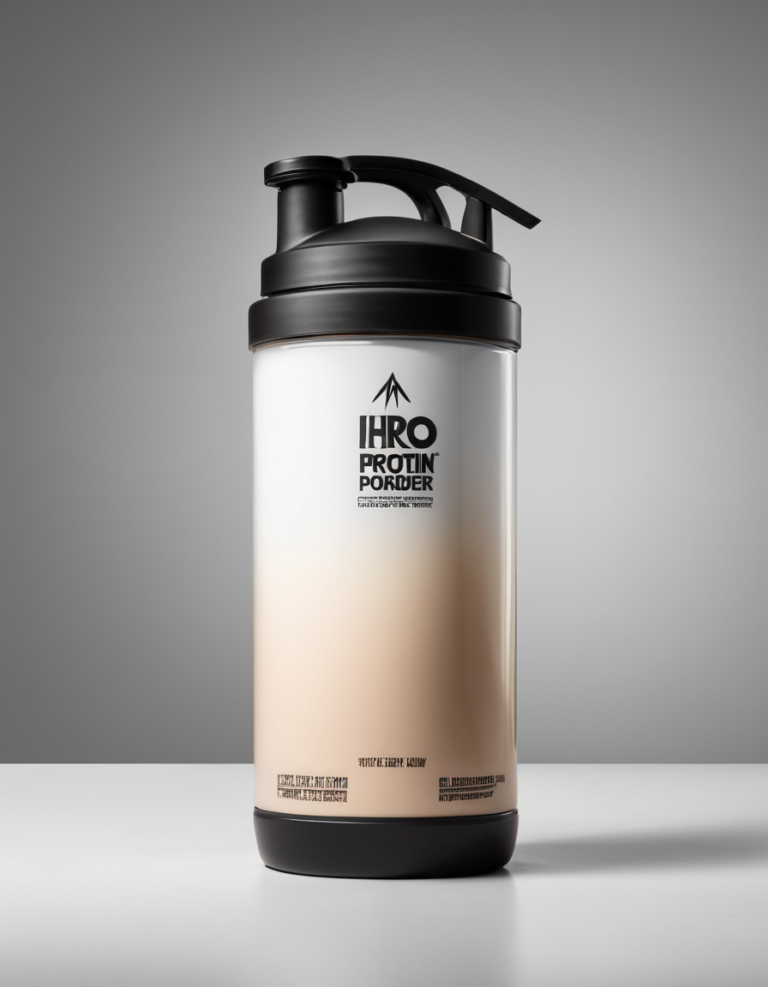
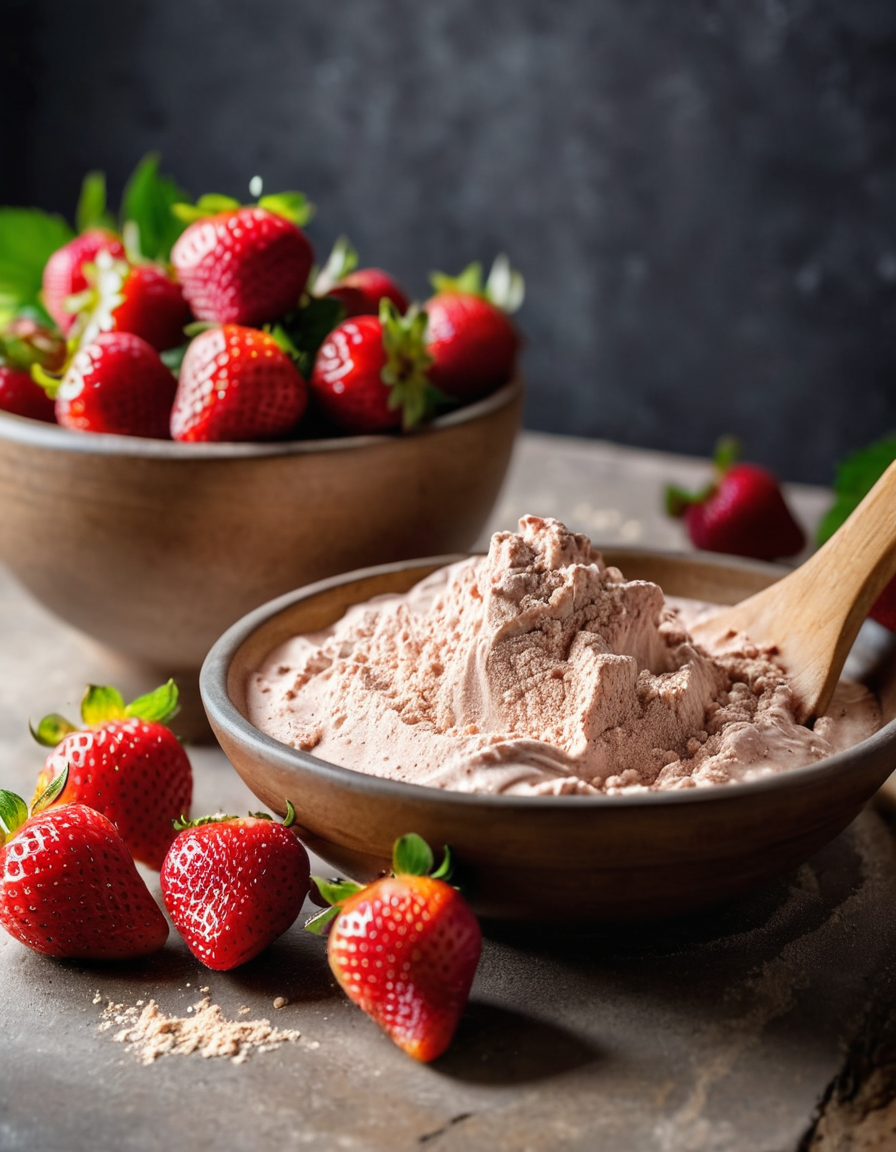
What you get: 30 servings of grass-fed whey isolate at roughly 22-25 g protein per scoop, third-party tested for banned substances, with full label disclosure.
Value and quality context: The approximate observed price was $61.50 on September 19, 2026. About $2.05 per serving, which is premium, and I think the premium buys real things here: tested purity and flavors that do not sabotage consistency.
Protein is the only supplement in this article whose evidence would survive a statistician’s audit without flinching, and the ISSN position stand’s numbers are practical: 20-40 g per serving, 1.6-2.2 g per kilogram daily. Hitting that total with food alone is genuinely hard on training days, and a powder you actually enjoy makes the number reachable. LEGION’s isolate also suits readers who find concentrates heavy.
The honest limits: it is the most expensive option here, and no powder outperforms simply eating enough protein from food.
- Backed by the strongest evidence base of any recovery supplement.
- Third-party tested for banned substances, which matters for competing athletes.
- Grass-fed isolate mixes cleanly without the chalky texture.
- Label discloses every ingredient and dose.
- Costs roughly double per serving the budget options.
- Isolate removes lactose that tolerant users lose no benefit avoiding.
- Shipped tubs occasionally arrive clumped in humid weather.
2. Sports Research Turmeric Curcumin C3 Complex
BEST CURCUMINRating: 9.2/10
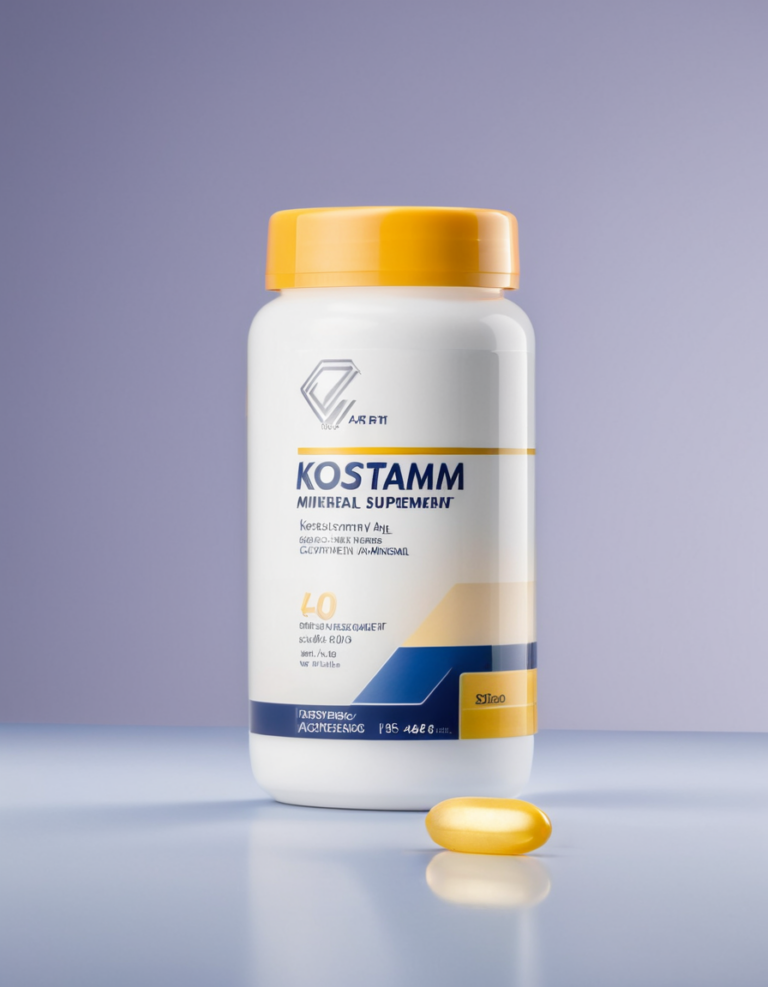
What you get: 120 softgels of 500 mg curcuminoids from the patented C3 Complex, paired with BioPerine black pepper extract and coconut oil for absorption, taken once or twice daily.
Value and quality context: The approximate observed price was $32.95 on September 19, 2026. Two months per bottle at one softgel daily, which prices the modest benefit honestly.
Curcumin has several randomized trials measuring soreness and muscle damage markers after hard training, and the C3 Complex in this bottle is the exact extract much of that research used. Sports Research adds coconut oil and BioPerine because unassisted curcumin absorbs poorly. I rank it second with a calibration note: the effects are real but modest, closer to taking the edge off than erasing a session.
- Uses the same C3 Complex extract as the published trials.
- BioPerine and coconut oil address curcumin’s absorption problem.
- Two-month bottle at a fair price for the category.
- Well tolerated with occasional mild stomach upset.
- Effect sizes are smaller than soreness-recovery marketing implies.
- Can interact with blood thinners at higher intakes.
- Softgels have a distinct turmeric aroma.
3. NOW Foods Magnesium Glycinate
BEST MAGNESIUMRating: 9.0/10
What you get: 180 tablets of magnesium bisglycinate at 200 mg elemental magnesium per serving, taken once daily, often in the evening.
Value and quality context: The approximate observed price was $19.98 on September 19, 2026. Three months per bottle at about $6.70 monthly.
Magnesium earns its recovery slot through the back door: it supports muscle function and modestly improves sleep quality in people running low, and sleep is when recovery actually happens. The Cochrane review keeps me honest that it is not a cramp cure. Glycinate is the form that keeps stomachs comfortable at daily doses, and NOW’s three-month bottle is the practical buy.
- Glycinate form avoids the digestive toll of oxide salts.
- Evening dosing doubles as gentle sleep support.
- Three-month supply under twenty dollars.
- Covers a mineral heavy sweaters lose through training.
- Benefits concentrate in people whose dietary intake is genuinely low.
- Count the 350 mg supplemental upper limit across all products.
- Tablets are larger than capsules for pill-averse users.
4. Country Life 100% Whey Protein
BUDGET PROTEINRating: 8.9/10
What you get: a 15 oz tub of whey concentrate at roughly 20 g protein per scoop, about 14 servings, with a short disclosed label.
Value and quality context: The approximate observed price was $25.49 on September 19, 2026. Roughly $1.80 per serving, and the small tub doubles as a low-risk trial of whether a powder habit sticks.
Every evidence-based argument for the premium isolate applies to any complete whey protein, which is the entire case for this pick. Country Life discloses its label, costs about half per serving, and the small format means you are not married to 30 servings of a flavor you have not tried. I rank it fourth on taste and mixing, not nutrition.
- About half the per-serving cost of premium isolates.
- Small tub works as a commitment-free trial.
- Fully disclosed label with no proprietary blend.
- Same core evidence base as every complete whey.
- Per-serving value erodes quickly at two scoops daily.
- Concentrate carries more lactose than isolate.
- Mixes less cleanly than the premium powders.
Comparison Table
| Product | Form | Dose per serving | Count | Approximate price | Best for |
|---|---|---|---|---|---|
| LEGION Whey+ Isolate | Powder | 22-25 g protein | 30 servings | $61.50 | Tested premium protein |
| Sports Research Curcumin | Softgel | 500 mg C3 curcuminoids | 120 sg | $32.95 | Soreness support |
| NOW Magnesium Glycinate | Tablet | 200 mg elemental | 180 tabs | $19.98 | Status and sleep support |
| Country Life Whey | Powder | ~20 g protein | 14 servings | $25.49 | Budget protein habit |
How to Choose a Workout Recovery Supplement
Do the math before the shopping. Weigh yourself, multiply by 1.6 and 2.2, and you have your daily protein range in grams. Now honestly count what a training-day diet delivers. The gap between those numbers is the only justification a protein powder needs, and it also tells you whether the gap is one scoop or two.
Timing deserves its demystifying sentence: the ISSN position stand puts the window at hours wide, not thirty minutes, so the ritual of racing the clock to a shaker bottle matters less than whether the day’s total lands. If a post-workout shake helps you hit the total, it has done its job, whenever you drink it.
Beyond protein, add one variable at a time and give it weeks, not days. Curcumin trials ran two to six weeks before measuring soreness, and magnesium’s sleep benefits showed over similar windows. Stacking five recovery products at once guarantees you will never know which one worked, and costs like it too.
A note on what to skip: glutamine keeps a market presence that its evidence in healthy athletes has not earned, recovery blends usually hide underdosed ingredients behind a proprietary curtain, and nothing in this category replaces the recovery levers that actually move outcomes, which are sleep hours, protein totals, and not stacking two brutal sessions back to back.
For the adjacent reading, my tart cherry ranking covers the other evidence-backed soreness angle, the whey buying guide compares more powders, and the magnesium glycinate guide goes deeper on forms and dosing.
This article is for information only and is not medical advice. Supplements can interact with medicines. Talk with a clinician before starting anything new, especially if you are pregnant, managing a condition, or taking prescription drugs. Prices and formulations change; the label is the final authority.