Best Berberine Supplement in 2026: Top 5 for Blood Sugar & Metabolism
Quick answer: The best berberine supplement in 2026 is Now Foods Berberine Glucose Support — 400 mg of berberine HCl per softgel with MCT oil for absorption, 90 softgels, from a brand with strong quality-control history. For a classic 500 mg capsule, Puritan’s Pride Berberine is the straightforward pick; Solaray matches it at a budget price. Want berberine paired with quercetin? Amazing Formulas Berberine & Quercetin. Need the highest per-serving potency? Best Naturals Berberine Plus delivers 1,000 mg per two-capsule serving. Berberine shows real but modest metabolic effects in trials — and it interacts with medications, so talk to your doctor first.
Updated August 2026 · Evidence-based review · Affiliate disclosure at the bottom
Bottom line: If you want the short answer — the picks in this guide are ranked by real-world value, third-party testing, and dose transparency. Published clinical research on Berberine (e.g., PMID: 39998703) supports its key benefits when used at studied doses. Scan the Quick summary above for the top pick, then read the full breakdown below before you buy.
Sources: PubMed (U.S. National Library of Medicine).
How We Evaluated
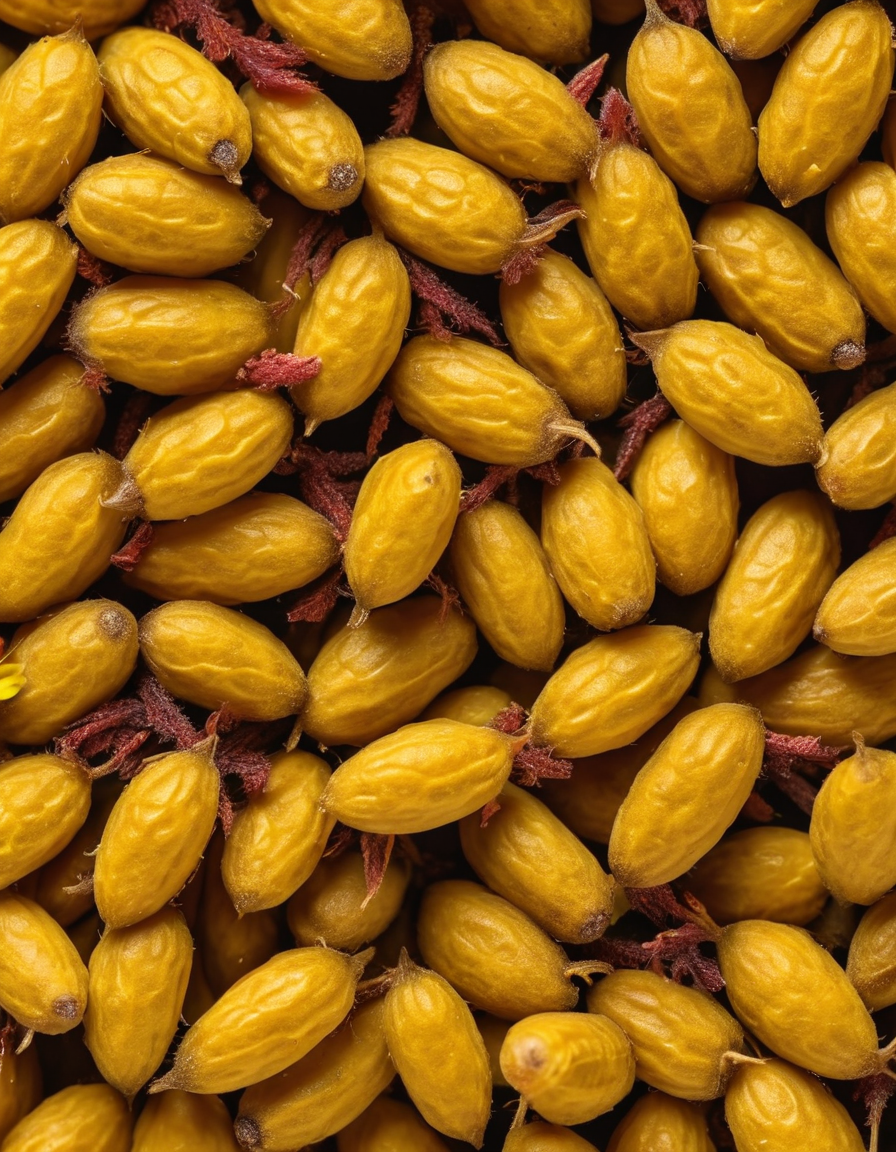
Berberine is a yellow alkaloid found in plants like barberry, goldenseal, and Oregon grape. It has been used in Chinese and Ayurvedic medicine for centuries, and modern research focuses on glucose and lipid metabolism. We scored each product on five criteria:
- Dose per serving: trial evidence clusters around 500 mg taken two to three times daily; we favored products at or near 400–500 mg per capsule.
- Form and absorption: berberine HCl is the most studied form; carriers like MCT oil are sometimes added to offset berberine’s poor natural absorption, though evidence that they meaningfully change uptake is limited.
- Purity and standardization: labeled berberine HCl content (typically 95%+ alkaloid content) and third-party testing practices.
- Brand quality controls: manufacturing reputation and clean excipient lists.
- Value: cost per serving across a full month of use.
We weighed the evidence honestly. A 2022 meta-analysis of randomized controlled trials in the journal Frontiers in Pharmacology found berberine lowered fasting glucose and HbA1c in people with type 2 diabetes, with modest effect sizes (1). A 2025 randomized trial added that berberine combined with cinnamon improved markers of glucose regulation (2). That is meaningful — but trials are mostly short-term and small, and berberine is not a substitute for prescribed diabetes medication. We also note the NCCIH safety warning: berberine is unsafe during pregnancy and breastfeeding and can interact with several drug classes (3).
The Top 5 Best Berberine Supplements
Berberine HCl is the form used in most clinical research, and every product below states its berberine content in milligrams — no vague proprietary blends. The standard research protocol is roughly 500 mg taken with meals two or three times a day, so we favored products that make that math easy. And one reminder we will repeat: berberine is a botanical with real physiological effects, which means it deserves the same respect you would give any medication — check interactions before you buy.
1. Now Foods Berberine Glucose Support, 90 Softgels Best Overall
Rating: 9.6/10
Now’s formulation pairs 400 mg of berberine HCl (from Berberis aristata bark) with MCT oil in a softgel. Berberine is poorly absorbed on its own, and the MCT carrier is the brand’s practical attempt to improve uptake — though published data on how much difference such carriers actually make are limited. The 90-count bottle is a three-month supply at one softgel daily, and you can step up to two softgels (800 mg total) if your doctor agrees — closer to the split dosing used in trials. Now Foods is one of the most third-party-tested mass-market brands, which counts for a lot with an alkaloid this potent.
Pros
- MCT oil carrier for a poorly absorbed compound
- Clean berberine HCl from a trusted brand
- 90 softgels — strong value at 400 mg per dose
Cons
- 400 mg per serving is below the 500 mg trial standard
- Softgel format, not ideal for strict vegans
2. Puritan’s Pride Berberine, 60 Capsules Classic Choice
Rating: 9.3/10
Puritan’s Pride has been making no-frills, single-ingredient supplements since the 1970s, and this is exactly that: 500 mg of berberine HCl from Berberis aristata bark per capsule, nothing else. Five hundred milligrams is the dose used in most clinical trials, so one capsule matches the study protocol directly. The 60-count bottle is a two-month supply at the standard one-capsule daily routine. It is the sensible, boring, reliable option — which is why it earns a top slot. Check stock status before ordering, since this one occasionally shows out-of-stock notices on retailer pages.
Pros
- 500 mg per capsule — matches clinical trial dosing
- Single-ingredient formula, easy to verify
- Long-standing brand with wide retail presence
Cons
- May be out of stock intermittently
- No absorption aids added
3. Solaray Berberine, 60 Veg Capsules Best Budget
Rating: 9.2/10
Solaray delivers the same 500 mg of berberine as Puritan’s Pride — this one from Indian barberry and Oregon grape — in a vegetarian capsule, usually at a lower price per serving. Solaray is a solid mid-tier brand with good testing practices and clearly labeled sourcing. If you are paying for berberine out of pocket for several months, this is the bottle that keeps the monthly cost down while keeping the dose on target. The 60-count supply is standard; at 500 mg once or twice daily it runs one to two months.
Pros
- 500 mg per veg capsule at a budget price
- Vegetarian-friendly format
- Clear plant sourcing on the label
Cons
- No carrier or absorption-enhancing ingredients
- Mid-tier brand testing, not top-tier
4. Amazing Formulas Berberine & Quercetin, 90 Veg Capsules Best Combo Formula
Rating: 9.0/10
This one stacks 250 mg of berberine HCl with 250 mg of quercetin dihydrate per veggie capsule. Quercetin is a flavonoid studied for its antioxidant and anti-inflammatory effects, and combos like this are popular with people targeting metabolic health plus seasonal immune support. The trade-off: 250 mg of berberine per capsule is half the standard dose, so you need two capsules (500 mg berberine) to match trial dosing — which means the 90-count bottle covers about 45 days at that level. Great if you want the two-in-one; just do the math on your servings.
Pros
- Berberine plus quercetin in one capsule
- Vegetarian capsules, clean label
- Easy to split into morning/evening doses
Cons
- 250 mg berberine per cap — need two for trial-level dose
- Combos make it harder to adjust berberine alone
5. Best Naturals Berberine Plus, 120 Capsules High Potency
Rating: 9.1/10
Best Naturals Berberine Plus is the high-potency option: a two-capsule serving delivers 1,000 mg of berberine HCl, plus 120 mg of vitamin C and 30 mg of zinc. For people whose healthcare provider recommends 1,000 mg of berberine per day split across two servings, one bottle covers two full months of that schedule — the best per-gram value here. The added vitamin C and zinc are low-key extras rather than a therapeutic stack. Note the serving size: it is two capsules, so factor that into your dosing math before buying.
Pros
- 1,000 mg berberine per serving — highest potency on this list
- 120 capsules — excellent cost per gram
- Adds modest vitamin C and zinc
Cons
- Two capsules per serving, easy to under-dose by mistake
- Extra nutrients mean it is not pure berberine
Comparison Table: The 5 Berberine Picks at a Glance
| Product | Dose | Form | Servings | Best For |
|---|---|---|---|---|
| Now Foods Berberine Glucose Support (Best Overall) | 400 mg berberine HCl + MCT oil | Softgels | 90 | Most people; absorption-friendly carrier |
| Puritan’s Pride Berberine (Classic) | 500 mg berberine HCl | Capsules | 60 | Trial-matched 500 mg dosing |
| Solaray Berberine (Budget) | 500 mg berberine | Veg capsules | 60 | Budget buyers; vegetarians |
| Amazing Formulas Berberine & Quercetin | 250 mg berberine + 250 mg quercetin | Veg capsules | 90 | Berberine + quercetin stack |
| Best Naturals Berberine Plus (High Potency) | 1,000 mg berberine HCl + C + zinc (2 caps) | Capsules | 60 (2-cap servings) | High-dose routines; best per-gram value |
How to Choose a Berberine Supplement
Match the dose to the research. The strongest evidence uses roughly 500 mg of berberine two to three times daily (1,000–1,500 mg total) alongside meals (1). Look for products at 400–500 mg per serving and plan your servings accordingly — and confirm with your clinician before exceeding 1,000 mg per day.
Understand absorption. Berberine is poorly absorbed in the upper gut, which is why most products use berberine HCl and why some — like our top pick — add MCT oil; preliminary research suggests such carriers may help, but the head-to-head data are thin, so treat them as a theoretical plus, not a proven boost. Dihydroberberine is a newer derivative marketed as better absorbed, but it is far less studied than standard berberine; we stuck with the well-documented HCl form.
Check the label for “berberine HCl.” That is the form used in the meta-analyzed trials. Products that hide a “proprietary blend” or skip the berberine content in milligrams are a red flag — you want a stated milligram amount of berberine HCl per serving.
Mind the medication interactions. NCCIH flags berberine as unsafe during pregnancy and breastfeeding and warns it can interact with many drugs, including medicines processed by the liver’s CYP enzymes and drugs that lower blood sugar — combining berberine with diabetes medication can push glucose too low (3). If you take anything for diabetes, blood pressure, or immunosuppression, get the green light from your doctor or pharmacist first.
Budget for digestive side effects. Stomach cramping, loose stools, and constipation are the most commonly reported side effects, and they usually ease within the first two weeks. Starting at one capsule with a meal and ramping up slowly helps most people get through the adjustment period.
Give it a fair trial period. Most trials run 8 to 12 weeks before researchers measure changes in fasting glucose, HbA1c, or lipids. If you and your doctor decide berberine is appropriate, plan to evaluate it at the three-month mark with real blood work rather than guessing from how you feel — metabolic changes are rarely something you notice day to day.
FAQ
When is the best time to take berberine?
Most trials split the daily dose into two or three servings taken with meals — typically 500 mg with breakfast and 500 mg with dinner. Taking it with food cuts down on the stomach upset that berberine can cause, and the mealtime timing lines up with the post-meal glucose spikes the research focuses on (1). Splitting the dose is also the standard study protocol — berberine’s half-life in the body is short, and most trials use two smaller servings with meals rather than one large dose.
Is berberine as effective as metformin for blood sugar?
Head-to-head trials are limited and mostly small or short. Some studies report berberine and metformin produce similar reductions in fasting glucose and HbA1c, but the evidence base for berberine is far thinner, and no major trial has matched metformin’s decades of safety data (1). Do not stop or substitute prescribed diabetes medication without your doctor — at most, berberine is a discuss-with-your-doctor addition. The honest summary: berberine is a promising adjunct studied mostly in small, short trials, while metformin has decades of large-scale safety data behind it.
Who should avoid berberine?
Berberine should be avoided during pregnancy and breastfeeding — NCCIH notes it can cause or worsen jaundice in newborns — and by anyone taking medications it may interact with, including diabetes drugs, cyclosporine, and drugs metabolized by CYP3A4 and CYP2D6 (3). People with liver conditions should also run it past their doctor, since berberine is processed by the liver.
The Bottom Line
Now Foods Berberine Glucose Support is our pick for most people: a sensible 400 mg softgel with an MCT carrier from a heavily tested brand. Puritan’s Pride and Solaray give you the trial-standard 500 mg at different price points, and Best Naturals Berberine Plus is the value play if your provider clears a 1,000 mg daily target. The evidence supports real but modest effects on glucose metabolism — treat berberine as a lifestyle-support tool, never as a medication substitute, and always clear it with your doctor first.
Berberine fits into a broader metabolic routine: pair it with a sensible approach to stress and inflammation, like our guides to the best ashwagandha supplements and the best turmeric supplements. See the full berberine lineup at HerbsPro: berberine collection.
Sources
- Glucose-lowering effect of berberine on type 2 diabetes: a meta-analysis of randomized controlled trials. Front Pharmacol. 2022 (PMC9709280)
- Efficacy and safety of berberine combined with cinnamon on cardiometabolic risk factors. Randomized trial. 2025 (PubMed 39998703)
- In the News: Berberine — NCCIH, NIH
Disclaimer: This article is for general information only and is not medical advice. Statements have not been evaluated by the FDA and products are not intended to diagnose, treat, cure, or prevent any disease. Consult a qualified healthcare provider before starting supplements, especially if you take medication or have a medical condition. This post contains affiliate links; if you buy through links on this page, we may earn a commission at no extra cost to you.