Best Supplement for Migraine Prevention 2026
Quick summary: I rank Doctor’s Best High Absorption Magnesium Glycinate Lysinate as the best supplement pick for migraine prevention in 2026 (rating 9.6/10), with a riboflavin capsule as the most exact dose match in the group. Pricing was not stable when this was researched on September 15, 2026, so check the current price at the retailer.
Prevention is a different game from rescue. These four picks do not stop a migraine that is already underway, and none of them replaces a prescription preventive your neurologist may have chosen for you. What they offer is a modest, evidence-grounded reduction in headache days, usually over eight to twelve weeks, paired with an unusually good safety record.
I keep a headache diary framing throughout this article because it is the only way to know whether any of these is working. A daily count of headache days, before and after, turns a vague impression into a decision you can actually make.
How We Evaluated
- Riboflavin at the studied dose: PMID 9484373. Schoenen et al. gave 400 mg of riboflavin daily for three months and reduced migraine frequency and headache days versus placebo.
- Magnesium in randomized trials: PMID 8792038. Peikert et al. found oral trimagnesium dicitrate providing 600 mg of magnesium per day reduced attack frequency, with diarrhea more frequent in the active group.
- CoQ10 responder data: PMID 15728298. Sándor et al. showed CoQ10 at 100 mg three times daily beat placebo on responder rate in a small randomized trial.
- Melatonin versus amitriptyline: PMID 27165014. Gonçalves et al. found 3 mg of nightly melatonin effective and better tolerated than 25 mg of amitriptyline in a randomized prevention trial.
My scoring favored elemental magnesium amounts stated on the label, exact single-ingredient riboflavin at 400 mg, CoQ10 with form and milligram disclosure, and regimens a label actually permits without tablet multiplication. I also penalized anything that hides doses inside a proprietary blend, because migraine prevention is dosing-sensitive.
Top 4 Migraine Prevention Supplements of 2026
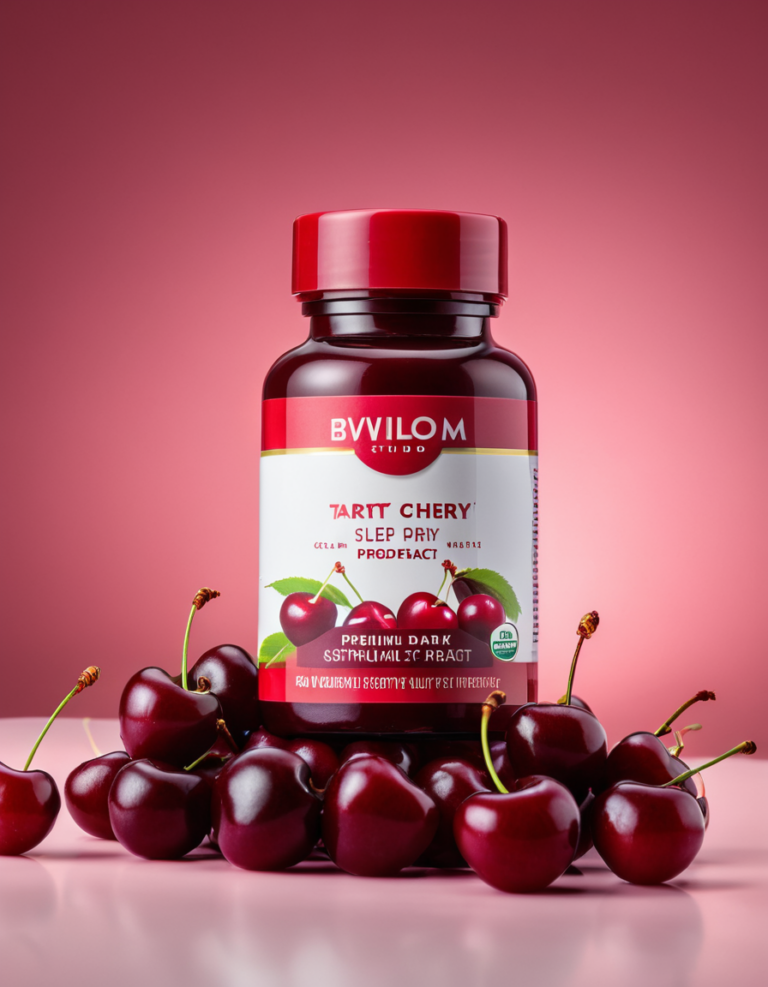
1. Doctor’s Best High Absorption Magnesium Glycinate Lysinate
EDITOR’S CHOICERating: 9.6/10
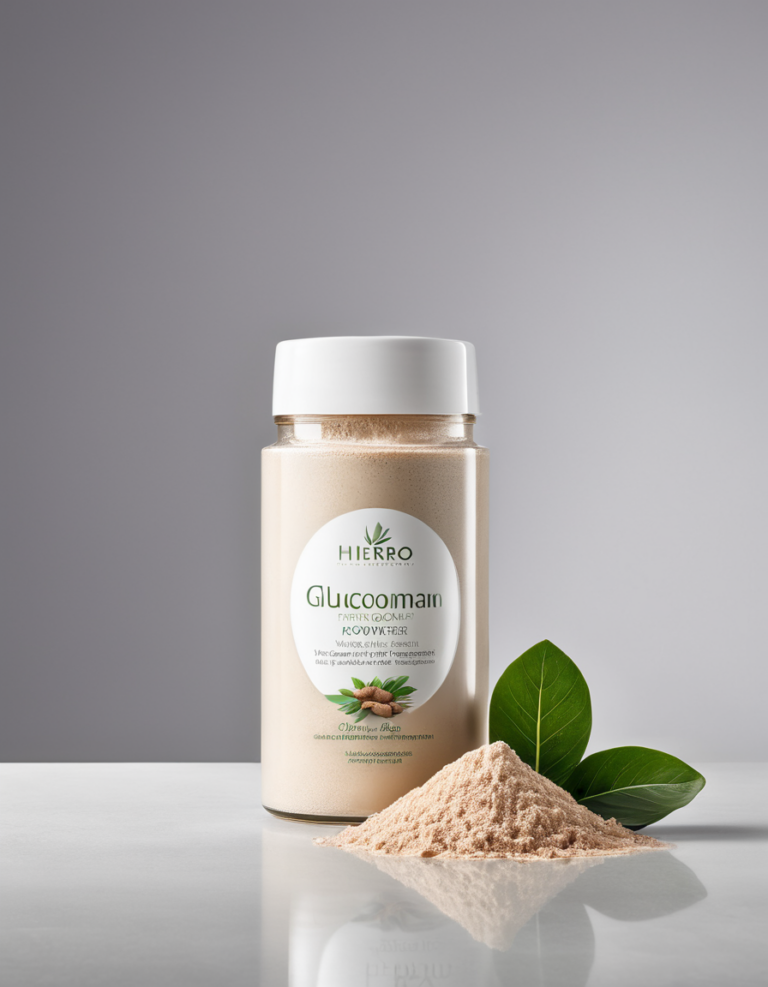
What you get: 240 tablets, each containing 100 mg of elemental magnesium as a fully chelated glycinate-lysinate. The labeled two-tablet twice-daily regimen supplies 400 mg per day over 60 days, which is the lower end of the 400-600 mg prevention range used in trials, and honestly not an exact match for the 600 mg trimagnesium-dicitrate study.
Value and quality context: Pricing was not stable when this was researched on September 15, 2026, so check the current price at the retailer. A two-month supply covers the minimum fair-trial window for a preventive.
I put this first because the elemental amount, chelate form, serving count, and a label-concordant clinical-range regimen are all explicit, which is exactly what label literacy demands. The limits: four tablets daily is a real burden, the salt and dose differ from the cited trial, magnesium can cause diarrhea, and kidney disease requires clinician guidance. No independent finished-product certification is claimed.
- Elemental magnesium is disclosed per tablet with a chelated form that is gentler on digestion.
- The labeled regimen reaches the clinical prevention range without off-label stacking.
- Glycinate forms tend to cause less diarrhea than oxide, though the trial used citrate.
- Four tablets a day is the main practical objection, and the dose is at the low end of the evidence range.

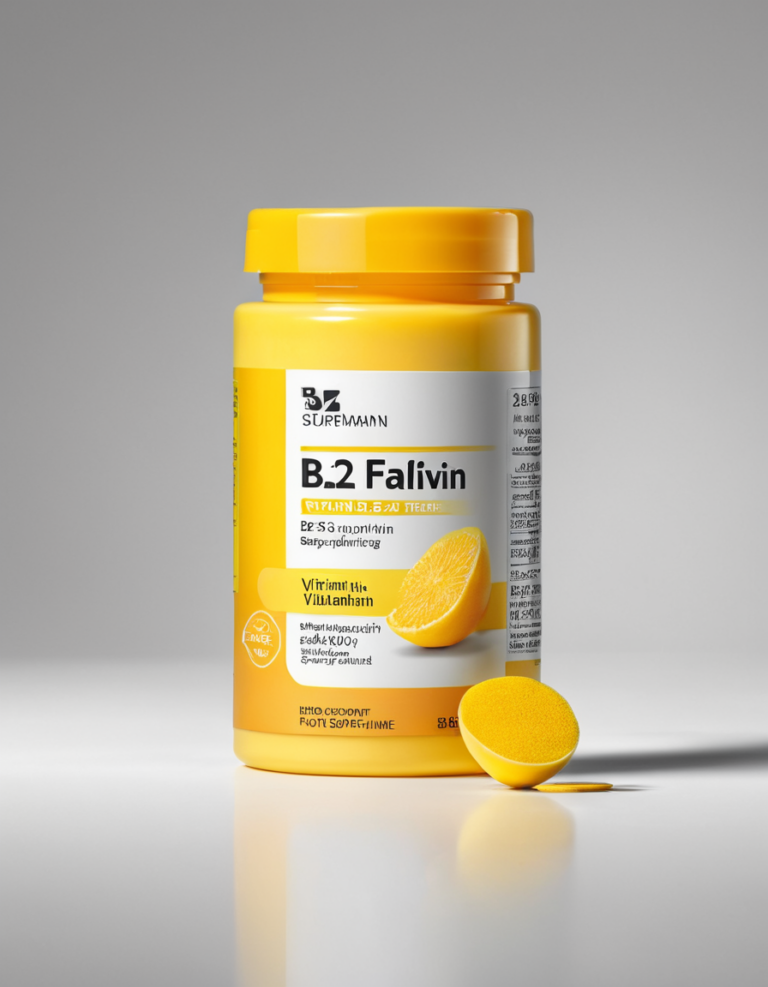
2. Amazing Formulas Riboflavin 400 mg
BEST EXACT RIBOFLAVIN DOSERating: 9.2/10
What you get: 120 capsules, each supplying 400 mg of riboflavin, taken once daily. An independent NIH Dietary Supplement Label Database record for this exact product confirms the 400 mg strength and 120-serving count, which closes the gap between retailer listing and label.
Value and quality context: Pricing was not stable when this was researched on September 15, 2026, so check the current price at the retailer. Riboflavin is one of the cheapest preventive options per month, which makes the three-month trial window easy to fund.
This earns its badge because it is a direct dose match to the Schoenen trial in a single-ingredient capsule, with independent label-record identity behind it. The limit is cosmetic: bright-yellow urine is harmless. The label states GMP manufacture but claims no independent finished-product certification.
- Exact 400 mg single-ingredient match to the randomized trial regimen.
- Independent NIH label record confirms strength and count for this exact UPC.
- Harmless yellow urine surprises some people, and certification claims are limited to GMP manufacture.
3. Natrol Melatonin 3 mg
BEST EXACT MELATONIN REGIMENRating: 8.8/10
What you get: 60 tablets, each supplying 3 mg of melatonin, taken 30 minutes before bedtime. That is the exact nightly dose from the randomized prevention trial in which melatonin was effective and better tolerated than amitriptyline.
Value and quality context: Pricing was not stable when this was researched on September 15, 2026, so check the current price at the retailer. A 60-tablet bottle covers two months, which is the minimum window I would give any preventive.
The exact dose, timing, and once-nightly regimen match are why this ranks here. It also contains 10 mg of vitamin B6 and 63 mg of calcium per tablet, may cause morning drowsiness, and should not be combined with driving after use or with sedatives and anticoagulants without a clinician’s review.
- Exact 3 mg nightly dose and timing from a randomized prevention trial.
- Better tolerated than low-dose amitriptyline in the head-to-head trial.
- Extra ingredients, possible morning grogginess, and sedative interactions need honest attention.
4. Puritan’s Pride Q-Sorb CoQ10 100 mg
BEST EXACT COQ10 REGIMENRating: 8.4/10
What you get: 120 softgels, each supplying 100 mg of CoQ10. The label permits one softgel one to four times daily, so three daily softgels with meals reproduce the 100 mg three-times-daily regimen from the randomized trial and yield a 40-day supply.
Value and quality context: Pricing was not stable when this was researched on September 15, 2026, so check the current price at the retailer. The three-softgel burden is the honest trade for reaching the studied exposure without going off-label.
The labeled dosing range is what makes this work: the trial regimen fits inside the printed directions, which is exactly how a supplement comparison should be done. CoQ10 may cause GI upset or late-day insomnia, and it can reduce warfarin’s effect, so anticoagulated users need monitoring.
- The studied 100 mg three-times-daily regimen fits within the labeled directions.
- Three softgels daily is a real adherence burden for some people.
- Warfarin interaction means anticoagulated readers need clinician monitoring first.
Comparison Table
| Product | Form | Dose per serving | Count | Approximate price | Best for |
|---|---|---|---|---|---|
| Doctor’s Best Magnesium Glycinate Lysinate | Tablets | 100 mg elemental magnesium per tablet | 240 tablets | Check retailer | Clinical-range magnesium regimen |
| Amazing Formulas Riboflavin | Capsules | 400 mg riboflavin | 120 capsules | Check retailer | Exact trial dose match |
| Natrol Melatonin | Tablets | 3 mg melatonin | 60 tablets | Check retailer | Nightly 3 mg trial regimen |
| Puritan’s Pride Q-Sorb CoQ10 | Softgels | 100 mg CoQ10 | 120 softgels | Check retailer | Three-times-daily trial regimen |
How to Choose a Migraine Prevention Supplement
Buy elemental amounts, not compound weights. A label advertising 1,000 mg of magnesium oxide delivers a fraction of that as elemental magnesium, while oxide is also the form most likely to cause diarrhea. My pick discloses 100 mg of elemental magnesium per tablet, and that number is the one that maps to the 400-600 mg evidence range.
Prefer single ingredients when the evidence is dose-specific. Riboflavin’s trial used exactly 400 mg, so a B-complex with 25 mg does not replicate it, and a “migraine blend” that hides its riboflavin inside a proprietary mix prevents any dose comparison at all. CoQ10 buyers should check the form and milligram amount, because ubiquinol and ubiquinone are not interchangeable at equal milligrams in every context.
Give the regimen twelve weeks with a headache diary before judging it. Preventives earn their keep by reducing headache days, and the trials I cited ran from eight weeks to three months. One honest omission I want to flag: I left butterbur off this list on purpose, because hepatotoxicity risk and unreliable pyrrolizidine-alkaloid control outweigh its appeal unless a clinician specifically recommends a verified PA-free product.
Safety boundaries matter here. Magnesium can accumulate in kidney failure, so kidney disease means clinician guidance first, and do not stack multiple magnesium products. A thunderclap or first-or-worst headache, any new neurologic deficit, or a new headache after age 50 needs urgent assessment, not a supplement aisle.
For broader reading, my magnesium glycinate guide explains chelated forms in depth, and the vitamin B2 roundup covers label literacy for riboflavin products.
This article is for information only and is not medical advice. Supplements can interact with medicines. Talk with a clinician before starting anything new, especially if you are pregnant, managing a condition, or taking prescription drugs. Prices and formulations change; the label is the final authority.